Framing the problem: why tiny disturbances matter
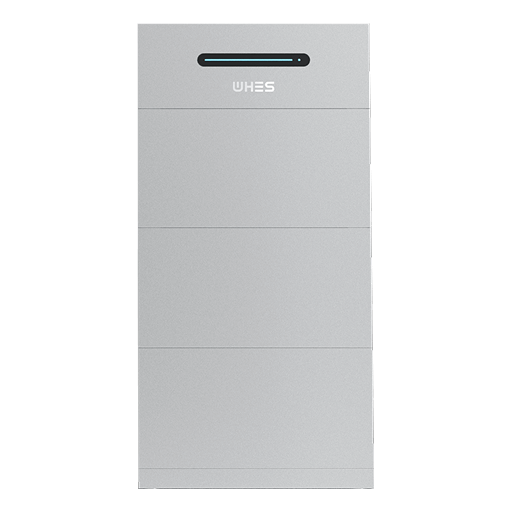
Modern homes with rooftop solar and smart devices can create very fast, small voltage and frequency swings on the local network — what some engineers describe as micro‑flicker or photonic‑scale disturbances. Left unchecked, these can dim LEDs, confuse inverters, or trigger sensitive protection relays. The practical fix at the house level is a responsive energy buffer. A factory‑direct home energy storage system sized around 5 kWh can act as that buffer, smoothing transient events and helping the household coexist with the grid during short outages or utility rollbacks. Real-world drivers for this are easy to see: California’s recent public safety power shutoffs (PSPS) and the trend toward distributed solar have shown how localized instability affects comfort and reliability.
How LFP chemistry reduces instability
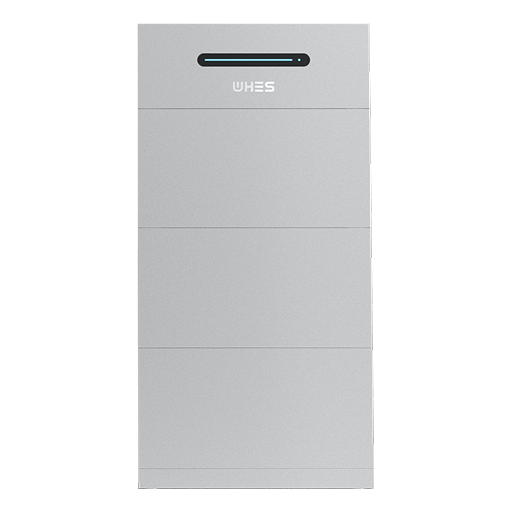
Lithium iron phosphate (LFP) cells are chemically stable and less prone to thermal runaway than other lithium chemistries. That stability translates into predictable voltage behavior during rapid charge and discharge. For short, high‑rate events — the kind that cause brief flicker — LFP can deliver current without sharp voltage sag, which reduces stress on the inverter and connected loads. Industry terms to note: cycle life and state of charge (SoC). LFP’s long cycle life and broad usable SoC window mean you can use a larger portion of the battery for active smoothing without accelerating degradation.
Why factory‑direct 5 kWh packs perform differently
Factory‑direct units are tuned at manufacture for cell balance, thermal pathways, and BMS logic. A 5 kWh pack sits in a sweet spot for single‑family homes: big enough to handle household transients and a few hours of backup for essential circuits, but small enough to be cost‑effective and easy to install behind a typical inverter. The integrated battery management system (BMS) in factory builds often includes firmware to prioritize fast transient response and charge arbitration — not every retrofit battery has that. The net result is lower latency in response to micro‑disturbances and fewer false trip events on sensitive electronics.
System behavior: how the battery prevents photonic‑level disturbances
At the system level, prevention happens through three mechanisms: fast current injection, curtailable discharge smoothing, and intelligent coordination with the inverter. When a transient is detected, the BMS and inverter act in milliseconds to inject or absorb current, clamping voltage deviations. Round‑trip efficiency matters too — higher efficiency means less wasted energy when the battery cycles for smoothing. Good factory tuning also sets SoC bands that preserve headroom for sudden events while still allowing daily cycling for energy shifting.
Installation realities and common mistakes
People often treat batteries as “set and forget” devices. In practice, configuration choices matter: improper inverter settings, narrow SoC bands, or insufficient thermal clearance can undermine stability benefits. Another common mistake is mismatching the battery’s response profile with the home’s inverter firmware — that leads to delayed reactions or oscillation between devices. For homeowners who rely on panels plus storage, pairing the pack with a tested solar battery backup for home workflow and commissioning checklist avoids these problems — test with actual household loads and log response times to transient events. —
Alternatives and trade‑offs
There are options: larger commercial ESS units offer more capacity but add cost and complexity; modular smaller batteries scale, but each added unit multiplies integration points. Other chemistries like NMC provide higher energy density but can be less stable under repeated high‑rate smoothing cycles. If your priority is long lifespan and predictable electrical response for grid interaction, LFP factory‑direct 5 kWh packs often strike the best balance between performance, safety, and cost.
Choosing and validating a solution
Before you commit, run a short validation plan: capture baseline voltage/frequency events for a week, install the candidate system, then repeat the capture. Look for reductions in peak deviation magnitude and duration. Also verify firmware update paths and service support — the battery needs occasional tuning as household loads or solar output change. This test gives you measurable evidence rather than vendor promises.
Advisory: three critical metrics to evaluate
1) Response latency (ms): measure how quickly the combined BMS + inverter respond to a transient. Lower is better for preventing micro‑flicker. 2) Usable headroom and SoC strategy (%): ensure the system reserves capacity for smoothing without sacrificing daily energy needs. 3) Proven stability record: ask for field data or case studies showing performance during real events (e.g., PSPS or grid tests).
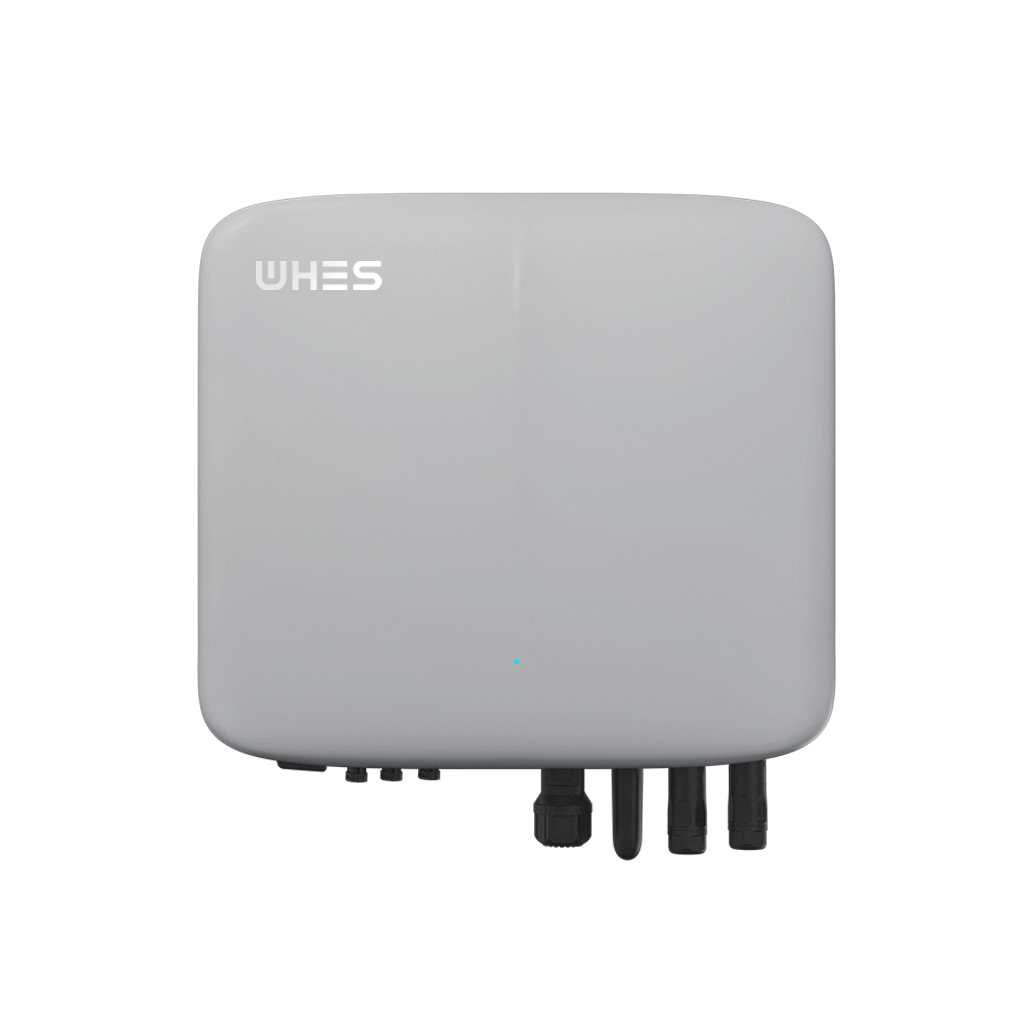
When these metrics align, a factory‑direct LFP 5 kWh pack becomes a pragmatic layer of defense against grid micro‑instability and a practical companion to rooftop solar — a clear, engineered solution that reduces surprises on the household level. WHES. —