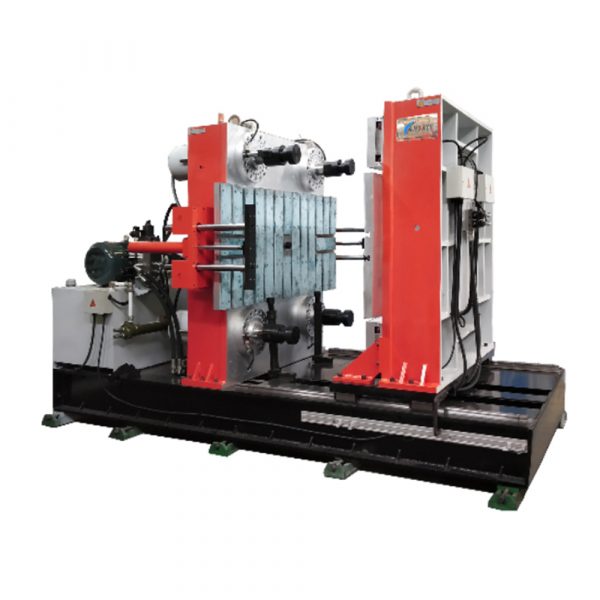
Why power drains matter on the molding floor
Plants spend a lot of cash on electricity and most of it vanishes in old hydraulic systems and long cycle times. Swap in an intelligent servo-pump system and you cut idle draw, tame spikes in injection pressure, and tighten energy recovery. If you want a direct example, look at how a horizontal rubber injection molding machine changes the math: less bleed-off, fewer heat losses, more predictable clamping unit behavior. In Guangdong and other Chinese manufacturing hubs, shops that moved to servo-driven rigs reported noticeably steadier power bills and cleaner load profiles on the grid — a real-world anchor that matters when you run dozens of shifts a week.
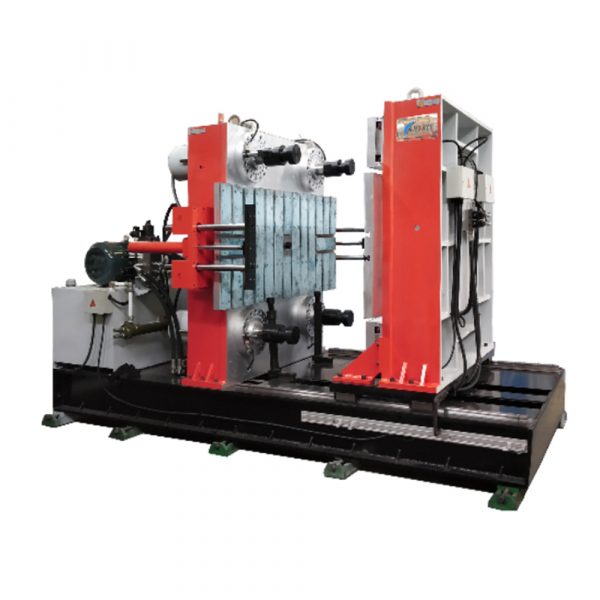
What makes an intelligent servo-pump different
Think of servo-pump machines like a smart engine. They match motor output to demand instead of running full tilt all the time. That lowers running amps during metering and shortens warm-up periods. Key parts you’ll notice are the servo motor, pump controller, and the feedback loop that controls injection speed and pressure. For LSR runs, where precise injection pressure and shot control matter, that control reduces flash and scrap — and saves energy, plain and simple.
Comparing options: hydraulic, electric, and servo-pump
Hydraulics are rugged and familiar but wasteful: continuous pump flow, heat dissipation, and less precise cycle control. All-electric machines shine on speed and cleanliness but come with higher upfront cost and can struggle with very high-viscosity rubber unless configured right. Servo-pump systems sit between them — they keep the torque and clamping force you need while cutting idling losses and smoothing injection profiles. This mix works especially well for medium-to-heavy rubber parts where cycle time and energy use both matter.
Real trade-offs and on-the-floor realities
Buyers often overlook integration costs: controls, tooling, and staff training matter. Retrofit works for many shops but watch for mismatches in the hydraulic circuit and control logic. Also, some servo setups need a short commissioning window to tune PID loops and pressure ramps — that pays off fast. And yes — maintenance changes. You’ll swap oil-change calendar time for occasional encoder checks and software updates, which most crews learn quickly.
Practical retrofit tips and common mistakes
Start with the toughest parts: big-diameter molds and long dwell cycles where hydraulic losses are loudest. Don’t under-spec the servo motor; undersized drives cause hunting and wasted energy. When retrofitting, pair sensors and a control stack that supports closed-loop injection control and energy monitoring. Avoid the usual mistake of treating energy metrics as a theoretical item — log volts, amps, and cycle time for two weeks before and after the change. That gives you real baselines to compare.

Where to look for reliable equipment
Suppliers from China now offer competitive servo-pump horizontal platforms that balance cost and function. If you hunt for a machine, check for clear specs on peak injection pressure, clamping force, and whether the control supports recipe-driven LSR runs. A china horizontal rubber injection molding machine can be a smart pick when it lists verified energy-saving modes and service access — those features cut long-term operating costs and downtime.
Three golden metrics to pick the right path
1) Specific energy per part: measure kWh per shot over representative runs. This tells you whether the machine saves money in day-to-day production. 2) Cycle stability: track deviation in shot weight and injection pressure across 100 cycles — fewer outliers mean less scrap and lower net energy use. 3) Payback window: calculate total retrofit or purchase cost divided by annual energy and scrap savings; aim for a payback under five years in most shop scenarios.
Final take: the right servo-pump setup trims power without sacrificing force or part quality, and it slots into proven horizontal clamping platforms to give dependable results — the value shows up on the utility bill and in fewer rejects. HWAYI has hands-on kits and machine families tuned for those trade-offs — a practical fix for shops that need results, not promises. —