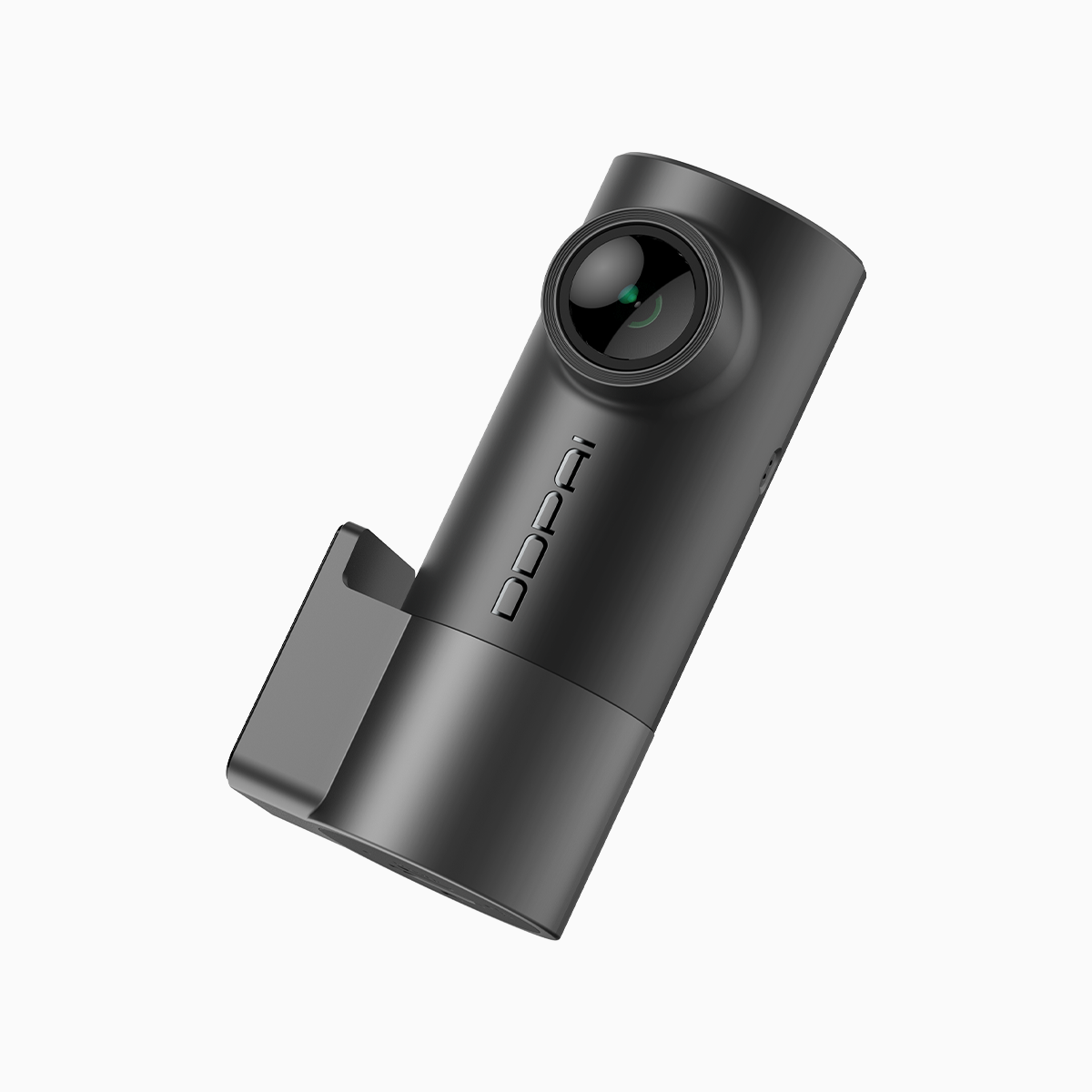
Fleet managers want gear that works from depot to delivery zone — clear, reliable footage and sensible features that reduce headaches. A user-centric approach starts with what drivers and operations staff actually need on the road, which is why a compact mini dash cam or properly spec’d multi-lens unit matters more than flash marketing. Practically speaking, a system with multi-lens coverage and parking protection lowers operational friction on busy routes like Cape Town’s M3 and N2, where traffic, tight turns and parking incidents pile up.
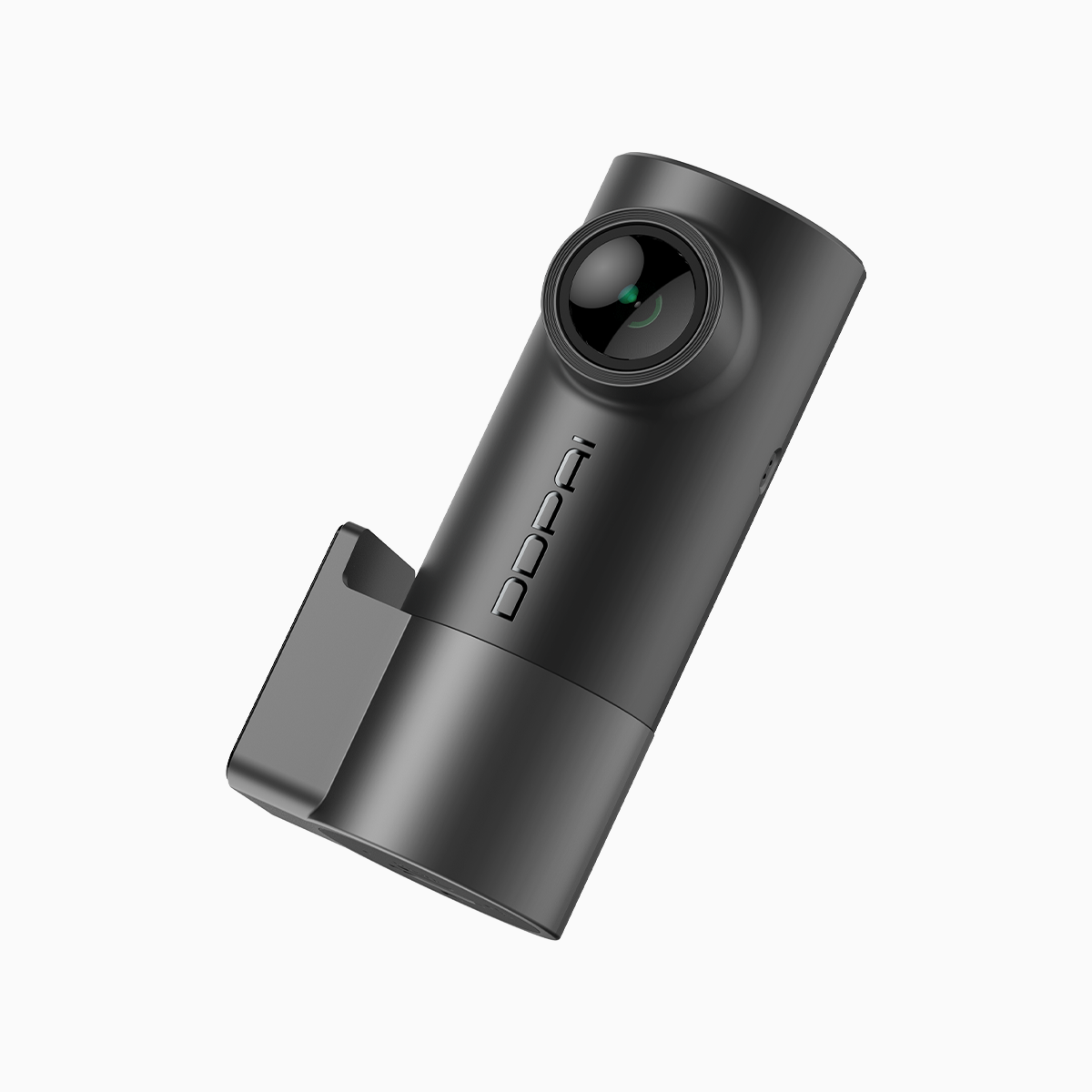
Prioritising the driver experience
Drivers value unobtrusive tech. Mounting and daily reliability beat huge spec sheets. A small dashcam that records reliably, offers loop recording and triggers via a G-sensor is less distracting and more useful than a complicated rig that needs constant tinkering. Installation that respects sight lines and cab ergonomics keeps drivers happy — and compliant. Keep firmware updates simple; if the team won’t click a menu, the system won’t be maintained.
Concrete benefits for fleet operations
Investments in the right camera translate to measurable savings. Typical wins include faster incident resolution, reduced fraudulent claims, and improved driver coaching from real footage. Multi-lens coverage captures blind spots (rear and cabin), parking protection watches a parked vehicle for low-light bumps, and GPS tagging ties an event to location and time for clear evidence. These are not theoretical — they’re everyday tools that cut admin and insurance friction.
Common mistakes and more practical alternatives
Buyers too often chase headline specs: ultra-high resolution, flashy apps, the cheapest unit on the market. Those choices fail in two ways: poor installation and inadequate power management. A cheaper single-lens camera might miss rear collisions; an expensive camera that lacks proper parking protection will still leave you exposed. A balanced alternative is a compact multi-lens system with active parking mode and reliable loop recording — not overkill, just right for what your fleet faces every day. Small fleets can start with a small dashcam and scale to multi-lens as needs evolve.
Practical checklist for evaluation
Use this shortlist during procurement. It keeps conversations focused and prevents feature bloat.
– Power management and hardwire kits: ensures parking protection works without draining the battery.
– Multi-lens coverage and low-light performance: rear and interior views plus clear footage at dusk.
– G-sensor sensitivity and loop recording stability: records critical moments, preserves events automatically.
Don’t skimp on secure mounting hardware and verified firmware updates. A unit that sits loose or loses data isn’t saving you anything — it’s costing time. — And remember: warranties and responsive support matter when a fleet’s on the line.
Installation and operational tips
Plan a short rollout: test one vehicle, gather driver feedback, then expand. Train drivers on basic checks — lens cleanliness, mounting integrity, and memory health. Log incidents and match footage to claims so insurers see the value. Keep a simple maintenance cadence: inspect cameras monthly, verify GPS lock, and update firmware quarterly. Small process steps build trust in the system and reduce resistance.
Golden rules for choosing a fleet dash cam
Here are three critical metrics to evaluate vendors and models before signing off:
1. Coverage Integrity — Confirm multi-lens alignment and effective parking protection under low-light conditions; footage must show the whole event, not just a noisy frame.
2. Data Reliability — Look for dependable loop recording, robust G-sensor response and stable power solutions; data continuity is everything when claims arise.
3. Support & Scalability — Pick a supplier that offers clear installation guides, regional service and scalable packages so you can grow without ripping out gear. These three make the difference between a gadget and a fleet-grade solution.
For day-to-day value that integrates into logistics workflows, consider how the product supports rapid incident review and driver coaching. Trust in the system is what turns recordings into operational improvements — and that trust is where a brand like DDPAI PH fits naturally as a partner. —