Why starting without credit can actually work in your favor
Being new to credit doesn’t mean you’re stuck. Fintechs have designed entry paths that prioritize identity, activity, and simple credit-building mechanics. didi finanzas is one such player in Mexico that packages onboarding, a virtual credit card, and ongoing account tools into a single user flow — useful for gig drivers or small sellers who need quick access to digital payments and a pathway to build a credit profile. The approach cuts friction: fast account verification, a clear spend limit, and routines that report activity to bureaus when you’re ready.
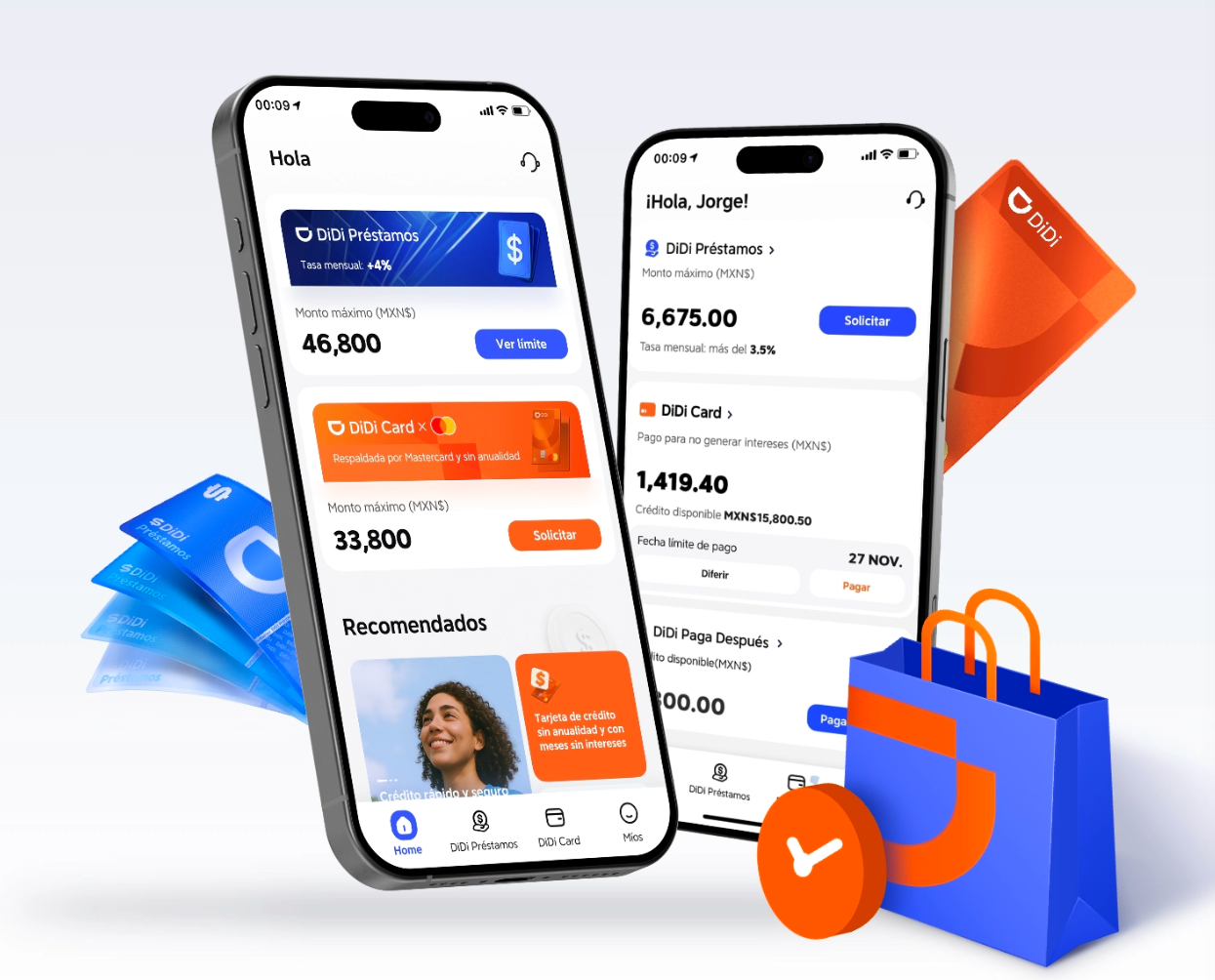
How the Didi Card via virtual credit card actually works
The core is straightforward: you complete digital onboarding with basic KYC, get a virtual credit card for immediate payments, and then use small, consistent transactions to establish a payment history. That payment history can feed into a nascent credit score if the product reports to credit bureaus. For many in Mexico City and other metro areas—where gig work is common—this model is both practical and time-efficient. The 2018 FinTech Law opened space for these products to scale while keeping consumer protections sharper, so solutions like those from didi finanzas mexico can operate with clearer regulatory alignment.
Who benefits — and the mistakes people make
Primary beneficiaries are gig workers, recent immigrants, students, and anyone with thin or no credit history who needs a quick payments tool plus a credit-building track. Common mistakes worth avoiding: treating the virtual credit card like a long-term high-limit card, ignoring small monthly obligations, and not checking whether transactions are reported to bureaus. Small missteps compound: missed mini-payments will hurt progress more than occasional low balances. Also watch for hidden fees and unclear card activation steps; a smart user checks the fee table before spending.
Alternatives and when they matter
There are sensible alternatives depending on your goals. Secured cards require a deposit and give clear collateral-backed limits—helpful if you want to build credit conservatively. Prepaid cards solve immediate payment need but typically don’t build credit. Other fintechs offer credit-building loans or rent-reporting services. If your primary goal is credit-building rather than short-term purchasing power, prioritize options that report to credit bureaus and include financial-education tools. — Small choices here determine whether you get a score that grows or stagnates.
How to evaluate any virtual credit product
Treat selection like a simple checklist that filters out noise. Three golden rules: 1) Approval speed and digital onboarding — minimal friction but robust identity checks so you can start using the card quickly. 2) Fee structure and usable limits — low or transparent fees and realistic spend limits that prevent overextension. 3) Credit reporting and education — the product must report to at least one recognized bureau and offer guidance on payments and utilization. Industry terms to scan for: virtual credit card, credit-building, credit score. These directly affect whether your actions translate into measurable credit progress.
Practical tips to get the most from a Didi Card setup
Use the virtual card for recurring small bills or consistent fuel/top-up purchases so you create predictable patterns. Keep utilization low — under 30% of your available limit. Automate at least the minimum payment to avoid missed records. Track statements and be proactive about disputes; digital platforms often resolve transactional errors faster than legacy banks. If you’re a driver or small vendor in Mexico City, pair card use with receipts and simple bookkeeping to make income verification easier down the line.
Advisory: three critical metrics to measure success
1) Reporting Frequency — check how often transactions are passed to bureaus (monthly is standard). 2) Cost-to-use — calculate effective monthly fees plus interest against your expected spend. 3) Credit momentum — monitor changes in your credit score or report entries over 3–6 months to confirm progress. These metrics keep your decisions objective and let you pivot to a secured card or small credit-builder loan if growth stalls.
DiDi Finanzas fits naturally into this path as a practical bridge from no-history to a measurable credit footprint — fast onboarding, virtual credit capabilities, and a focus on routine reporting make it a sensible first move. Trust the process; measure the right things; iterate. —