Quick lead-in
Looking for a supplier but don’t wanna waste time? Start with a simple check. Peek at an all-in-one model like this led poster display to see how features, size and installation come packaged. Quick wins first. 🔍

What to compare — the shortlist
Pixel pitch. Brightness (nits). Refresh rate. Power draw. Controller type. Serviceability (can you swap modules on-site?). These are the basics that actually change performance. Score each supplier on these 6 items and you’ll drop bad options fast. ✅
Technical specs that matter
Pixel pitch determines viewing distance — smaller = closer. Brightness matters outdoors; ask for measured nits, not just marketing numbers. Pick refresh rates ≥3,840Hz if you’ll feed cameras or live broadcast. Check MTBF and rated lifetime (hours). Don’t guess — get numbers. ⚡️
Build, mounting and installation
Metal cabinet quality, IP rating, wind load specs for outdoor, and how panels join together. Ask for installation drawings and lead times. If the supplier can’t give a clear mounting plan, you’ll get surprises on site. Measure twice. Order once. 🛠️
Warranty, spare parts and support
Compare warranty length and what it covers (modules, power supplies, tape labor). Ask where spare parts are stocked and typical RMA times. Local tech support beats shipping every time. If a supplier uses third-party controllers, check compatibility and firmware update policy. ⚠️
Cost breakdown — beyond sticker price
Upfront hardware, shipping, customs, installation labor, electrical upgrades, permits, and downtime risk. Get itemized quotes. Cheaper panels can cost more in maintenance. Look at total cost over expected life (5–7 years for many projects). Be concrete with numbers. 💸
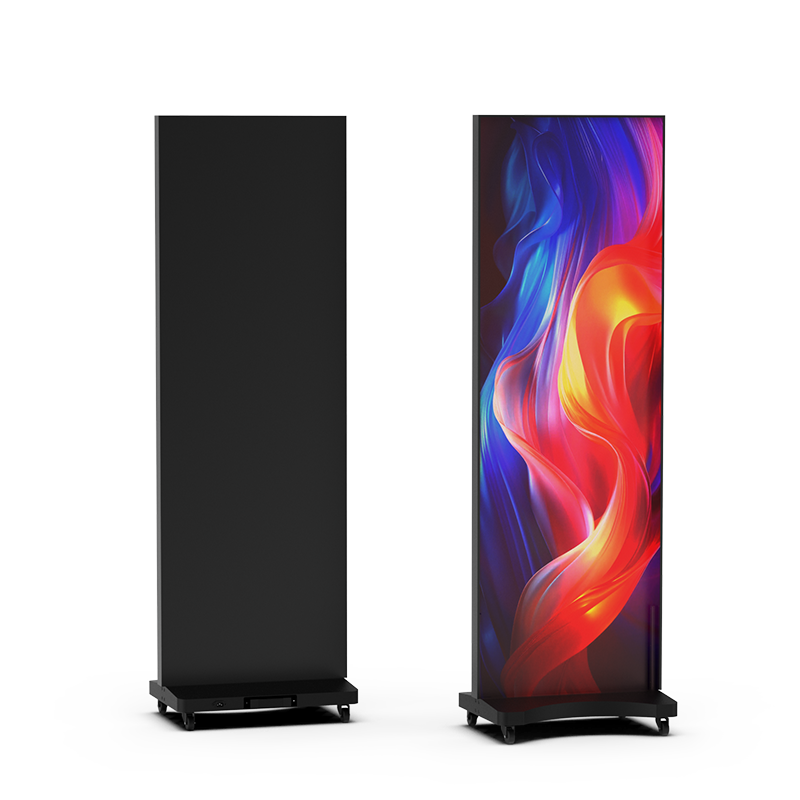
Alternatives and quick evaluations
Buy vs rent. Indoor vs outdoor-rated. Turnkey supplier vs component-only vendor. Rentals are great for short campaigns. Turnkey reduces risk but costs more up-front. Component vendors give flexibility but need an installer who knows LED systems. Match choice to project length and your team’s skill set. 🤝
Experience, authority and a real-world anchor
I’ve overseen installations for transit shelters and retail façades, and seen how outdoor brightness and weatherproofing make or break a project. Think of large outdoor ad hubs like Times Square — the brightness and reliability requirements there mirror what serious city-facing campaigns demand, similar to what you get from recognized led poster display outdoor deployments. Ask for references from comparable projects and check site photos before you sign. That’s real-world proof over promises. 📸
Common pitfalls to avoid
Buying panels rated only for indoor use. Assuming all suppliers offer the same firmware updates. Skipping site power verification. Leaving service windows undefined. Don’t assume “compatibility” — verify it. Small oversights cost big on install day. 🚫
Wrap-up
Compare measurable specs, confirm installation details, and verify real project experience. Score suppliers on the shortlist and choose the one whose numbers, support and past projects line up with your needs. That’s how you move from guesswork to a reliable build — like the reliable solutions you’ll see from HDC. ✅