The problem buyers face
Poor throughput, revenue leakage, and constant disputes over entry times are the problems buyers bring to procurement meetings. You need hardware and software that capture vehicles reliably, enforce access, and feed accurate logs to back billing. An anpr parking system targets those exact failures: it replaces manual checks, cuts queuing, and produces auditable events for every lane.
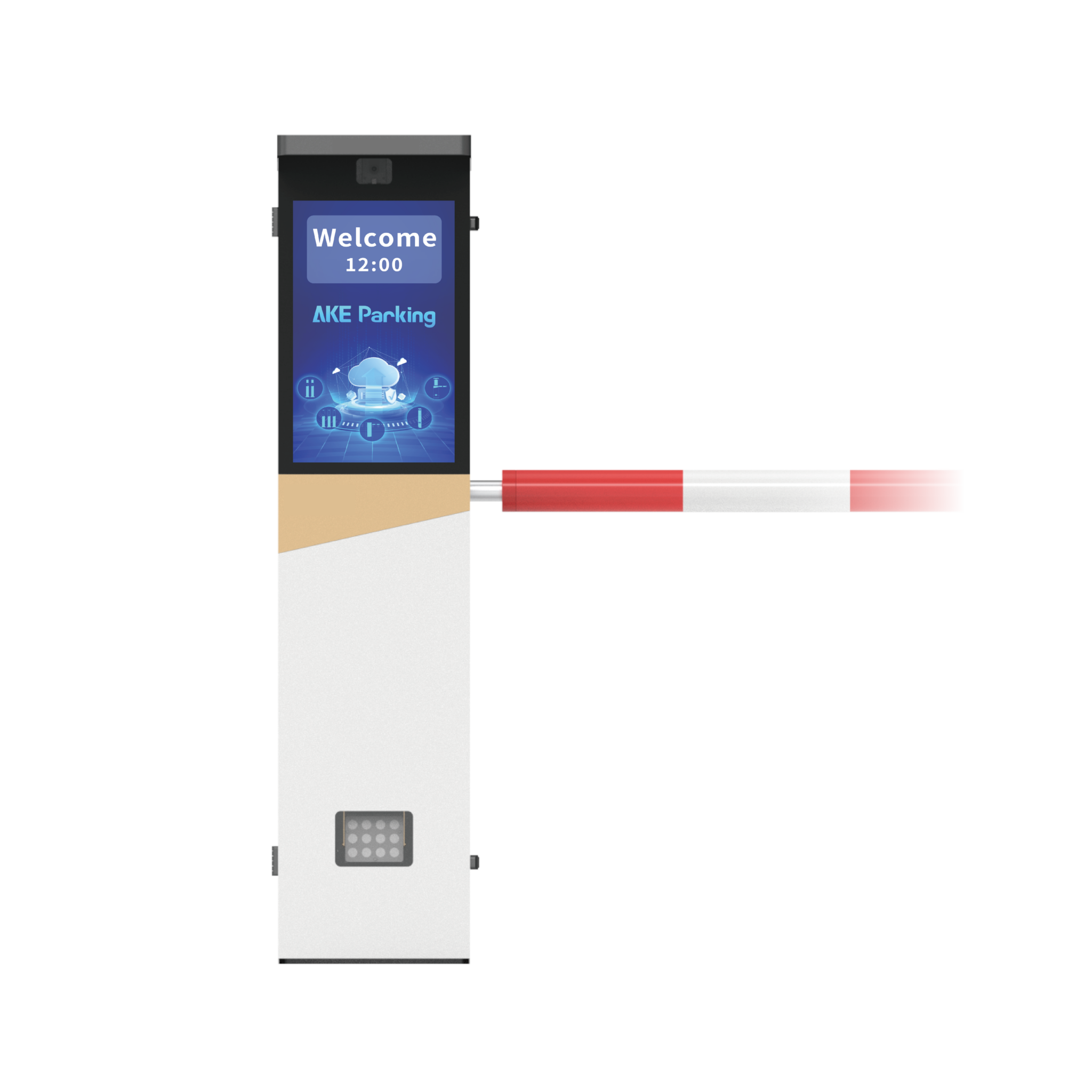
Core components that fix those problems
Automated systems are built from a small set of functions: image capture, plate recognition, control logic, and enforcement (barriers/gates). Robust LPR cameras, edge processors for low-latency decisions, and a central management platform are the minimum. Real-world pilots—like Singapore’s Smart Nation curbside trials—show that field-tested deployments reduce false reads and operational costs; those pilots used lpr parking equipment to validate throughput under heavy urban traffic. Buy components that match expected lane speed and environmental conditions, not marketing lists.
What to measure — technical specs that matter
Measure these specifications in clear terms: recognition accuracy under daylight and low light; frame rate and shutter capability for vehicles at target speeds; infrared illumination range; angle-of-view tolerance; processing latency to command the gate within 200–300 ms; IP and operating temperature ratings; and integration interfaces (API, Wiegand, RS-485, or MQTT). Ask for measured false accept and false reject rates across a sample of local plates and plate styles.
Common mistakes buyers make
Buyers often pick the highest-resolution camera without checking shutter speed or IR range—result: motion blur at peak times. They ignore plate variants (font, spacing, regional plates) and skip live field tests. They accept vague SLAs for uptime and support. They fail to design for maintenance: access to camera mounts, replacement parts, and remote diagnostics matter more than a low initial price.
Alternatives and trade-offs
RFID or proximity tags solve access for known fleets but don’t address transient visitors or enforcement. Ticketing systems work for paid lots but create points of failure at kiosks and increase labor. Ultrasonic or loop sensors detect presence but don’t identify vehicles for enforcement or automatic billing. Choose the approach that resolves the core buyer problem: identification, speed, or cost. Often a hybrid—LPR for identification plus loop detection for occupancy confirmation—gives the best outcome.
Deployment checklist
Define lane speed and plate mix; run a short field capture trial; require vendor-provided accuracy reports from similar sites; demand remote health monitoring and spare-part guarantees; specify integration endpoints and data retention for audits; set realistic installation tolerances for camera angle and mounting height; plan a calibration window after initial deployment and a service SLA for seasonal recalibration.
How to evaluate vendors
Ask for references from deployments with similar throughput and climate. Verify that their software provides raw capture logs for audits and that they support on-site tuning. Confirm the update process for recognition models and whether updates can be pushed without uptime loss. Prioritize vendors who document performance metrics and provide real-world test data over those who offer only spec sheets.

Close: what solves the problem
Buyers who focus on the actual failures—misreads, bottlenecks, and support gaps—make pragmatic purchases: tested cameras, clear SLAs, and integration-first platforms. That combination reduces disputes and operating cost while keeping lanes moving; vendors such as AKE Parking illustrate how cohesive hardware and management software translate requirements into field results.