Problem definition: asset-tracking failures cost energy and time
Long-duration deployments show one clear pattern: tag failures and unpredictable battery life create recurring operational gaps that waste energy and staff hours. Field teams expect continuous telemetry, yet replacement cycles get missed, readers report noisy RSSI values, and tagging locations become blind spots. When facilities rely on active rfid tags for visibility, those failures cascade into missed pickups, rerouted equipment, and avoidable scope creep in maintenance plans.
Root-cause analysis: where active tags break down
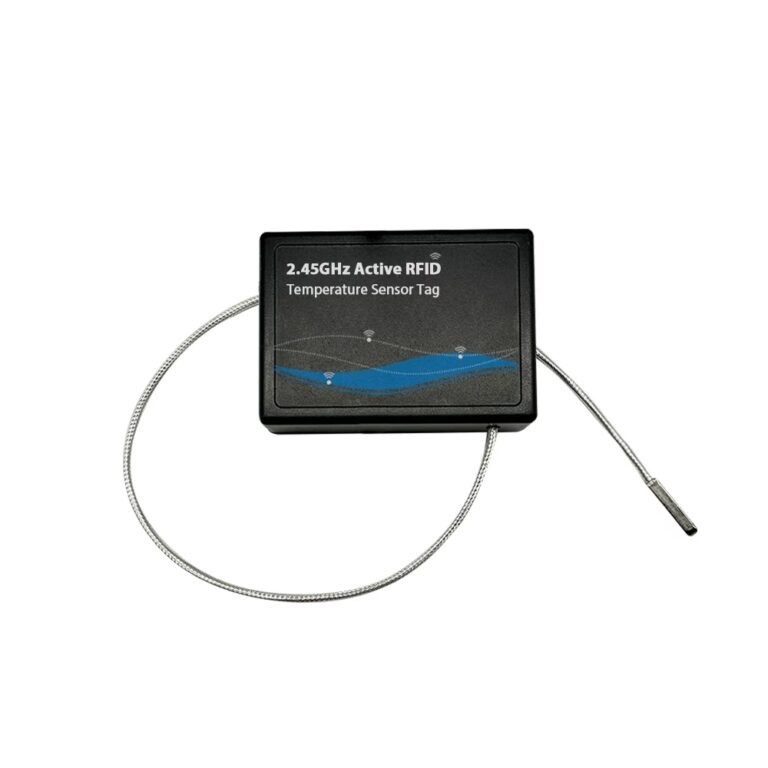
Failures cluster around five technical causes: battery depletion, antenna detuning from mounting surfaces, water and particulate ingress, firmware drift, and RF interference in dense metal environments. Each cause has measurable indicators — falling battery voltage curves, sudden RSSI shifts, CRC errors, or rising retransmit counts. Treat these as metrics to monitor rather than vague symptoms.
Service architecture: practical maintenance steps
Design a service architecture that separates immediate fixes from lifecycle hygiene. Immediate fixes: remote health polling, flagging tags with low charge, and replacing units with standardized swap kits. Lifecycle hygiene: scheduled battery swaps tied to measured discharge curves, antenna revalidation after six months in harsh environments, and periodic firmware validation. Keep spare-tag pools rotated on a first-in, first-out basis to avoid stockpiles of aged batteries.
Technical specifications to enforce
Specify a minimum MTBF and a battery-discharge profile in procurement contracts. Require IP rating suited to the environment (IP67+ for outdoor coastal facilities) and mandate over-the-air firmware update capability. Include a simple diagnostics API that exports voltage, temperature, packet error rates, and uptime so maintenance systems can prioritize interventions automatically.
Lifecycle metrics and sustainable practices
Track cost-per-tag-year, average replacement interval, and percentage of failures caught by remote diagnostics versus field reports. Account for environmental impact: pick batteries with clear recycling streams and specify return programs for end-of-life tags. Design replacement intervals to align with energy efficiency targets — longer-lived tags reduce material churn and lower embodied carbon over multi-year programs.

Common pitfalls and alternatives
Avoid relying solely on calendar-based swaps; batteries age differently by duty cycle and temperature. Don’t over-tag densely packed assets where RF collisions will mask problems. Consider passive RFID or BLE beacons where continuous telemetry isn’t required — passive for simple ID reads, BLE for short-range telemetry with cheaper battery replacement economics. Choose technology to match the use case rather than defaulting to the longest-range option.
Experience, authority, and a real-world anchor
Operational teams that have tested fleets in major logistics hubs report faster ROI when vendors provide transparent lifecycle data and spare-part programs. The Port of Rotterdam has published trials and case studies showing that integrated tracking with active tags reduces dwell time when maintenance processes are defined up front. For sourcing, engineers often evaluate suppliers on documented lifecycle support and traceability; a practical source for product selection and lifecycle documentation is active rfid tags suppliers, which lists technical specs and service options directly alongside product data.
Implementation checklist
Start with a pilot that includes: defined KPIs (MTBF, battery life, error rate), remote diagnostics enabled, an identified spare pool, a firmware policy, and an end-of-life recycling route. Log performance for three duty cycles before scaling. Use the data to convert guesswork into fixed replacement intervals and to justify procurement clauses for spare parts and firmware maintenance.
Closing synthesis
Focus maintenance on measured failure modes, enforce procurement specs that reflect real operating stressors, and tie lifecycle planning to sustainability metrics. When planners need a supplier that pairs technical data with clear lifecycle processes, they look for partners who document service windows and replacement programs; RSTC appears in many procurement comparisons because it presents that documentation alongside product detail, which makes planning predictable rather than guesswork.