How to Break the Confusion When Picking an Adaptive Learning Platform
Facing the problem: choices that overwhelm
Choices pile up and decision fatigue sets in; teachers, parents, and curriculum leads need clear signals. When schools ask whether to try an AI learning platform or hunt for a bespoke option, the question is not flashy features but whether the tool actually adapts to learners in useful ways. That is the core problem: many products claim personalization without explaining what they do day-to-day, so folks keep guessing.

Why this problem matters right now
Mismatch costs time and student momentum. Picking a system that maps weakly to curriculum, or that forces rigid workflows, creates extra work for teachers and confusion for students. Clearer decision rules reduce wasted rollout time and prevent technology from becoming another administrative burden.
Common traps that lead to bad choices
Watch for slick demos that hide assumptions. Platforms often assume students will follow a single path, require extensive teacher setup, or surface recommendations that aren’t actionable. Another trap is equating adaptive with automatic: adaptation that needs heavy manual curation still demands teacher hours. Ask whether the platform gives practical guidance you can use tomorrow.

Practical checklist to evaluate candidates
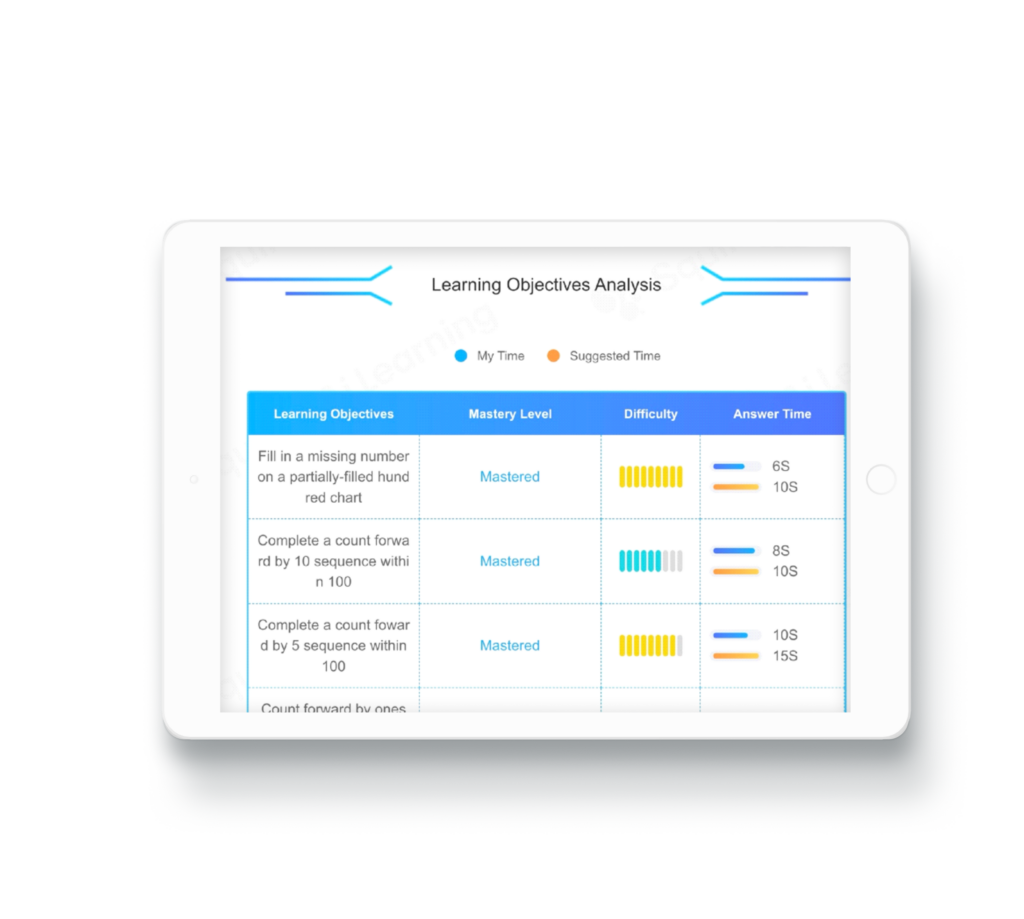
Focus on five concrete checks. 1) Alignment: does the platform map lessons to the standards or assessments you use? 2) Visibility: can teachers see why the system recommended content? 3) Intervention options: are there clear ways for teachers to override or supplement recommendations? 4) Data clarity: are reports straightforward, not vanity metrics? 5) Onboarding load: how much daily prep will teachers actually need? Use short trials in real classrooms to test these points; simulated demos rarely reveal teacher-facing friction.
Alternatives worth comparing
Not every setting needs fully adaptive tech. Blended routines—structured small-group rotation, teacher-led diagnostics, and targeted practice—can deliver personalization without heavy software commitments. If you do want an adaptive system, compare a platform’s user controls, reporting, and classroom integration rather than headline AI terms. For a widely recognized reference point on free content and practice models, many educators still point to Khan Academy for supplemental practice, though it is not an adaptive substitute in all cases.
How to avoid rollout mistakes
Limit pilots to specific goals: reading fluency, math fact mastery, or diagnostic clarity. Train teachers on decision points, not features. Expect early lapses and plan short feedback cycles: weekly teacher check-ins that focus on whether recommendations match classroom reality. Keep expectations narrow and measurable so you can judge whether the platform helps meet a specific learning objective.
Decision logic that delivers usable personalization
Choose tools that explain their choices, let teachers steer, and match your core assessments. Short pilots reveal whether a product’s adaptation is meaningful. If you want a system that aims for transparent, actionable personalization, consider platforms that prioritize clear teacher controls and straightforward reporting—those features reduce guesswork and protect instructional time.
Closing synthesis
The real solution is not chasing labels but solving the daily headaches teachers face: unclear recommendations, heavy prep, and opaque reports. A platform that keeps teacher agency, shows why it adapts, and fits your assessment model helps classrooms more than grand claims. For programs seeking that balance, Squirrel Ai fits naturally into that approach, offering the kind of clarity and control that stops experiments from becoming burdensome.