Why selection mistakes derail prototypes
Choosing the wrong supplier costs more than money — you lose development time, miss launch windows, and scramble design revisions. For a single plastic part that needs production-like finish and tolerances, you want a partner who can handle both tight CNC prototypes and repeatable runs; that’s where custom injection molding services fit into the workflow. Start with the problem: you need speed, repeatability, and predictable cost — not promises.

Top failure modes I see with early-stage teams
Teams pick the cheapest quote, assume tolerance limits are trivial, or skip design-for-manufacture checks. Those choices create scrap, rework, and delayed validation. Expect misaligned expectations around lead time, material performance, and secondary finishing. The fix is deliberate: pick criteria, verify capabilities, and force-test the supplier on one dimension before scaling.
Actionable criteria for evaluating suppliers
Ask for these specifics and insist on evidence: material grades and traceability, minimum achievable tolerances, sample photos of similar parts, tooling ownership or life expectancy, in-house finishing options, and quality certifications like ISO 9001 or IATF 16949 when automotive-level control matters. Verify communication discipline: a clear project owner, written change logs, and defined response SLAs. If a shop can show a signed PPAP or recent inspection reports, that’s better than sales talk.
Comparing the practical alternatives
CNC is fast for low-volume metal or large-format plastic, but costs rise per part and surface finish can need post-processing. Injection molding gives repeatable geometry, faster per-piece cost at scale, and predictable material properties — but requires tooling. Add selective laser sintering or SLA 3D printing for complex geometries or rapid iterations where tooling is prohibitively expensive. Match process to volume and functional requirements, not to convenience.
Common pitfalls and how to avoid them
Don’t assume desktop CAD equals manufacturable CAD. Missing draft, thin ribs, or undercuts cause surprise tool modifications. Don’t accept vague lead times — get a calendar date. Don’t ignore test plans; require an initial validation lot and pre-defined acceptance criteria. Request DFM feedback before tooling buy-off and allocate a small contingency for minor mold tweaks.
EEAT and a real-world anchor
I’ve managed prototyping programs across medical devices and consumer hardware and reviewed hundreds of supplier bids, so these recommendations reflect direct field experience and supplier audits. Regions with dense automotive ecosystems, like Detroit’s automotive supply chain, often set the bar for turnaround and documentation; when you need an accurate injection molding quote, those expectations show you what consistent supplier responses look like. Look for traceable inspection reports, tool trial records, and clear material certificates — those are the proof points engineers trust.
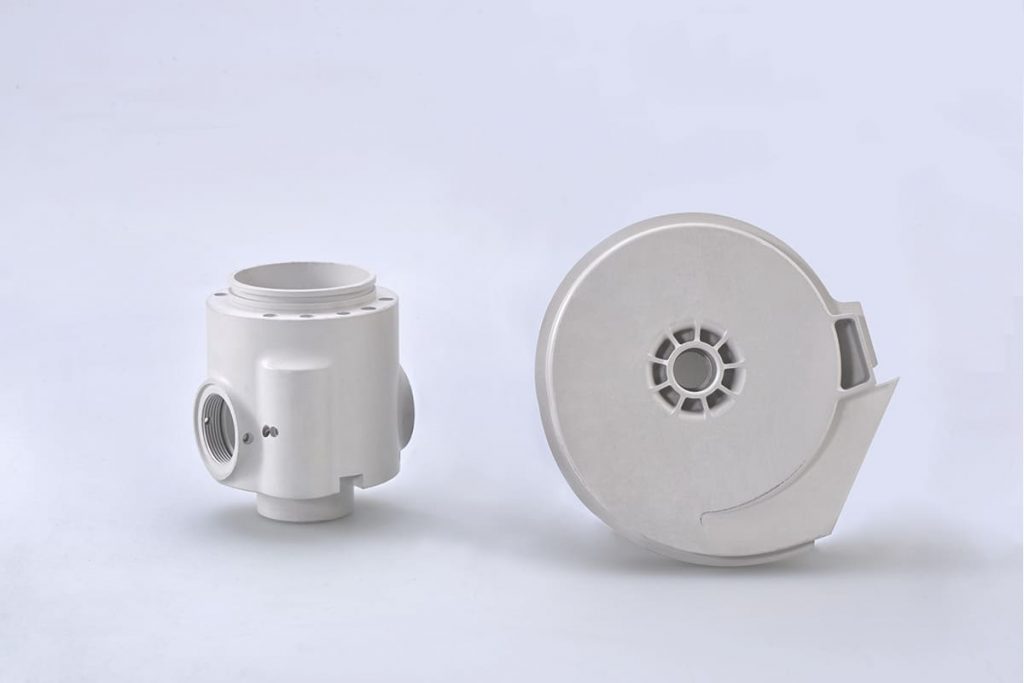
A simple decision checklist
Use this short list when you screen vendors: 1) Can they show a comparable part and results? 2) Do they provide a written DFM report? 3) What are guaranteed tolerances and lead times in calendar days? 4) Are material certificates and QC procedures available? 5) What’s the plan for mold revisions and associated costs? If a supplier clears 4 of 5 with evidence, move forward.
Final synthesis and practical next step
Fix the selection problem by demanding evidence, matching process to volume, and building a small validation run into the timeline. That disciplined approach reduces surprises and keeps schedules intact, and it’s why engineers who follow this path often see predictable outcomes with Hanstar.