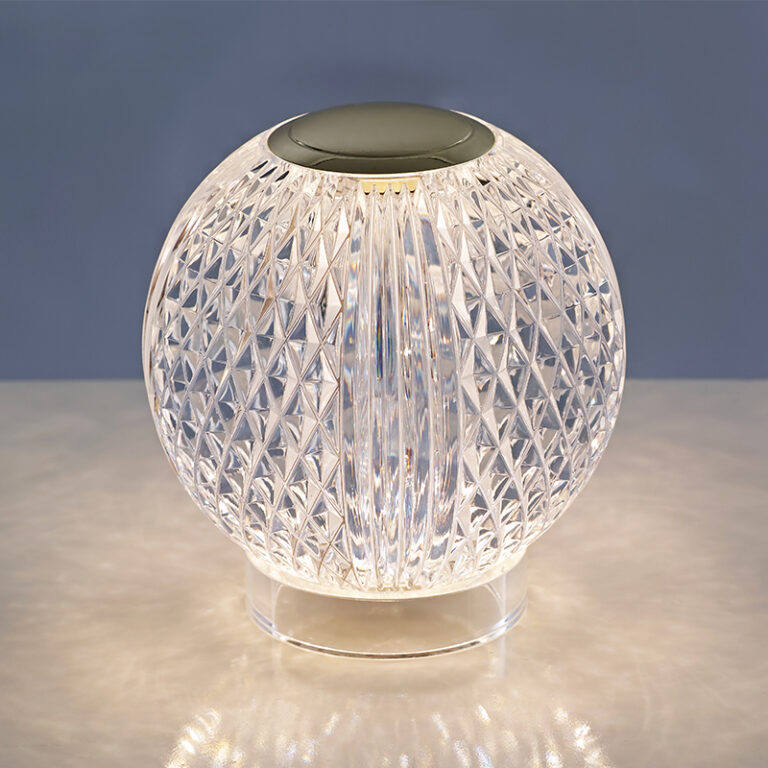
Introduction: The Night You Actually Needed the Lamp
You reach home after a long commute, the lights flicker, and the power goes out. Across table lamp companies, the pitch for a modern rechargeable table lamp sounds neat: portable, bright, and ready for duty. In real homes though, usage is messy. A recent consumer snapshot shows over 60% of urban users deploy a cordless lamp during power cuts at least once a fortnight, and nearly 1 in 3 complain about slow charging or dimming drift after six months. So, why do some lamps feel effortless while others feel temperamental? In India’s mixed grid reality, these small gaps magnify at night—when eyes are tired and tasks are urgent. The core issue is not the box specs; it is the interplay of battery health, luminous flux stability, and power converters under day-to-day stress (dust, heat, long idle periods). Are we asking the right questions, or just reading the label? Look, it’s simpler than you think. Let us map the gaps, and then compare what actually changes outcomes—without the marketing fog. On to the real friction points.
Hidden Costs of Convenience: Where Performance Slips
Where do traditional lamps fall short?
Technical truth first. Most corded desk lamps assume stable mains and continuous cooling. A cordless unit does not. A well-built rechargeable lamp must balance battery chemistry, thermal management, and driver design. Cheap builds lean on undersized cells and basic charging ICs, leading to long charge times and short runtime. PWM dimming may flicker at low levels; that hurts comfort during reading. In hot rooms, poor heat paths throttle output to protect the LED package—light drops, eyes strain. Over time, an imprecise battery gauge creates a false sense of security, then the lamp quits early. That is why two models with equal lumen claims can feel worlds apart after six months.
Now to user pain that hides in plain sight. People want steady light, not guesses. They want USB‑C PD that actually negotiates fast charging, not “5V only” disappointment. They want predictable runtime across brightness steps, not a sudden cliff at 20%. They want CRI that keeps skin tones natural for video calls, and an optical diffuser that does not hotspot glossy desks. Traditional solutions focused on static brightness and price; the modern brief demands stable luminous flux over time, safe overcurrent protection, and honest battery readouts. If your lamp cannot maintain output at 30% dim for three hours in summer heat, the promise collapses. That is the real benchmark.
Looking Ahead: Principles That Raise the Bar
What’s Next
Forward-looking design is less about slogans and more about engineering choices. New driver architectures pair efficient power converters with smarter firmware to keep output flat as voltage sags, and to reduce ripple at low dim levels. Battery packs move from generic Li‑ion cells to safer LiFePO₄ for longer cycle life, whilst advanced thermal pads and a discreet heat sink stabilise the LED junction temperature. The outcome is not just “brighter”; it is steadier light for longer under stress. Paired with USB‑C PD, you can top up during lunch and still read at night—funny how that works, right? In a comparative check, a model that holds 90% of initial brightness after two hours at mid-level will beat a peak-lumen champion that fades in thirty minutes. That is why spec sheets must meet field reality.
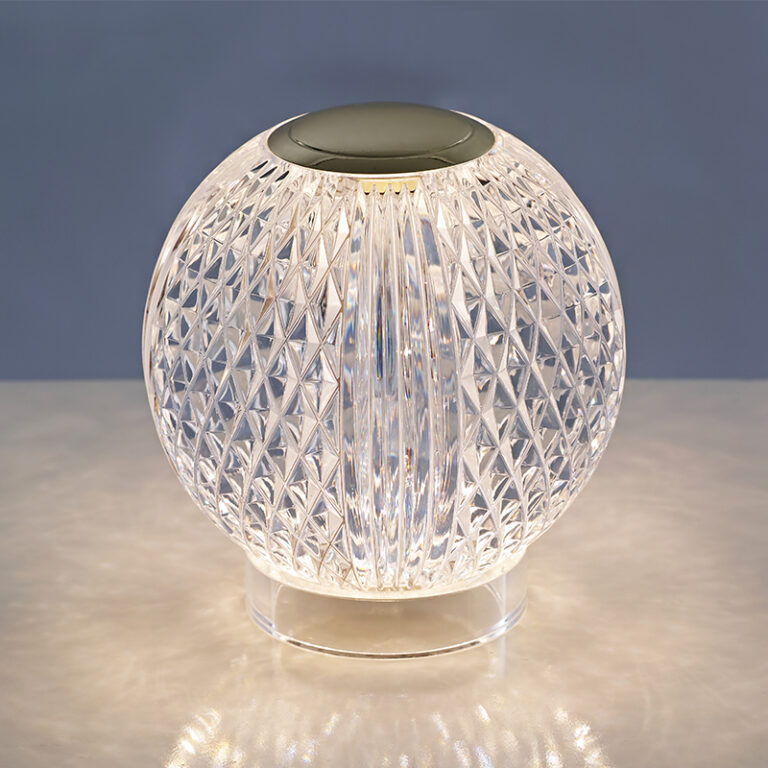
For reference, a chrome finish does not change physics, but it changes heat behaviour and surface wear. A well-designed chrome rechargeable table lamp should not run hotter due to reflectivity if its thermal path is sound. Look at the driver’s efficiency curve, the cell’s rated cycles, and whether the firmware controls soft-start to avoid inrush and flicker on touch. Add gentle BLE control if you must, but keep it optional; local controls should work offline—always. Compared to older rechargeable designs, the new crop focuses on stable luminous flux, cleaner dimming, and faster, safer charging. Different tone, same goal: dependable light when you need it most.
How to Choose: Three Practical Metrics That Matter
First, measure stability, not flash. Ask for a two-hour runtime test at a mid-brightness level and check if brightness stays within ±10%—that single figure predicts comfort more than peak lumens. Second, verify charging reality. Confirm USB‑C PD profiles (9V/12V support), published charge time with a standard 30W adapter, and the presence of thermal cutback that does not dim the lamp prematurely. Third, check colour and optics. Target CRI ≥90 with low blue spike in warm modes, and a diffuser that eliminates glare on glossy worktops. These metrics filter noise fast and let you compare models across table lamp companies on equal footing. Do this once, and your next pick will simply work—day after day. If you want a starting point to study design cues and component choices, have a look at makers like kinglong.