Introduction — a short scene, a number, a question
I wake to a soft hum: my car, my phone, even the bike all sipping power in sync while I make coffee. In that kitchen-sci-fi moment I picture an apartment where an all in one charger coordinates every plug like a tiny conductor (neat, huh?). There are already over 1 million public charging points reported worldwide, and home charging must scale to match. So I ask: can a single, compact unit really manage power, communications, and safety for mixed loads without turning into a technical headache? Let’s step inside the problem and see what’s under the hood — and why it matters as devices multiply.
Breaking down core weaknesses I’ve seen
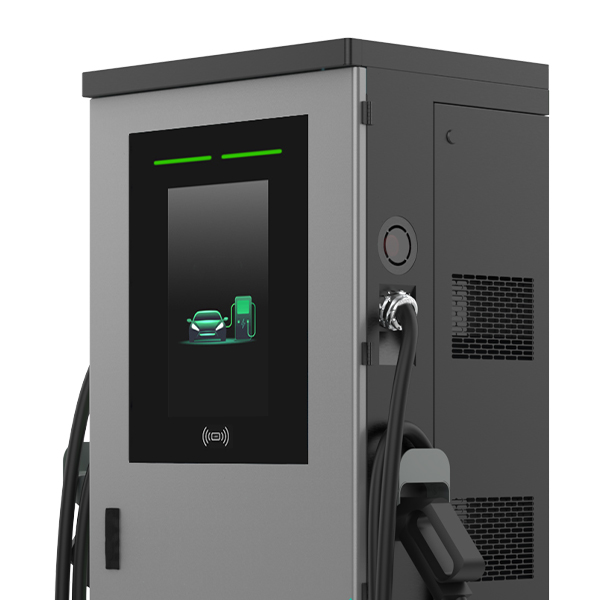
electric ev charger — at its simplest — combines rectifiers, control electronics, and user interfaces into one casing. That sounds elegant. But when I probe real deployments, I find two persistent faults. First, thermal stress: bundling power converters and control boards in close quarters raises heat, which shortens component life. Second, interoperability: fielded chargers often struggle with different EVSE standards and battery management systems, so a setup that works for one car can be flaky with another. I’ve watched installers swap firmware and still chase odd disconnects. Look, it’s simpler than you think — some issues are design choices, not mysteries.
What’s tripping users up?
Users complain about slow response times, unexpected shutdowns, and confusing indicators. From a technical side, latency in communication modules (and poorly handled edge computing nodes) causes charge scheduling conflicts. From a human side, unclear feedback frustrates people who just want a full battery in the morning. These are hidden pain points: reliability under mixed loads, unclear firmware upgrade paths, and scant diagnostic data for technicians. I find these problems repeat across homes and small fleets — and they’re fixable with smarter design and clearer product choices.
New technology principles and practical outlook
Looking ahead, I focus on principles that reduce risk and make daily life easier. First: modular thermal zoning. Separate heat-generating power converters from sensitive control electronics so failures don’t cascade. Second: open communication layers that speak native protocols to both vehicles and home energy systems — this reduces friction with smart meters and home automation. Third: intelligent load balancing that prioritizes critical loads and adapts in real time using simple heuristics rather than brittle schedules. These are engineering choices that change user experience, not just spec sheets.
What’s Next: how new chargers meet real needs
For example, imagine dc ev charging stations that negotiate power with the household and the grid, scaling from slow overnight charge to a fast top-up only when needed — no drama, just smart allocation. That’s where edge computing nodes and robust BMS integration matter: they let chargers decide locally and act fast. I’m excited about systems that give clear cues to owners and useful logs to technicians — because good feedback shortens fix times. — funny how that works, right?
To help you evaluate options, here are three metrics I use when choosing a system for myself or advising others: 1) Thermal resilience — measured by component layout and guaranteed operating temperature; 2) Protocol coverage — does it support common EVSE and BMS profiles plus firmware update paths; 3) Diagnostic transparency — can you get meaningful error logs and remote support without a screwdriver. If a product scores well on these, it’s likely to be less headache and more reliability over time. I still test units in real settings; theory only gets you so far — yes, really.
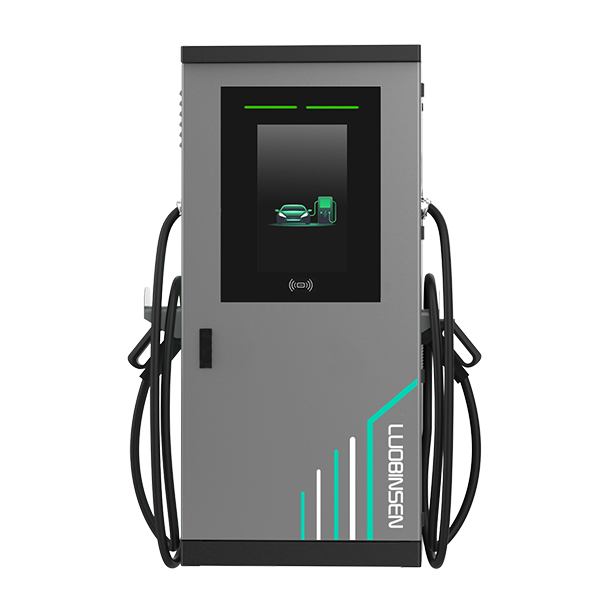
Summing up: I’ve seen neat all-in-one chargers fail because designers prioritized compactness over serviceability, or added features without clear user feedback. But with modular thermal design, open communication stacks, and smarter local decision-making, the next generation will be kinder to users and crews alike. For pragmatic solutions and hands-on support, I often look to companies that balance engineering rigor with real-world testing. For more, see Luobisnen.