Introduction — a small story, some numbers, and a question
I remember sitting on my abuela’s couch, rubbing a sore shoulder after a long day of work — that ache that won’t quit, you know? Infrared beds have shown up more in clinics and home setups lately, and people I know are trying them for pain relief. Studies say up to 60% of adults report chronic musculoskeletal pain at some point, and red and near-infrared therapy keep popping up in conversations (y sí, even mi primo asked about it last week). So what actually changes when someone lies down under those warm LEDs, and does it beat ice, pills, or stretching for long-term relief?

I want to walk you through what I’ve learned, share what annoys me about the usual fixes, and give practical ideas — no techy fluff, just useful stuff. Let’s dive into the real parts and see where this tech might fit in your routine.
Part 2 — Why the usual fixes fall short (and where the red light pod fits)
What do traditional solutions miss?
Look, it’s simpler than you think: many standard approaches treat symptoms, not tissue. Ice reduces swelling for a short time, and pain meds mask discomfort, but neither encourages cellular repair. That’s where a focused device like a red light pod can matter — it aims to stimulate mitochondria and boost local circulation. However, not all devices are built equally. Poor wavelength specificity, low LED irradiance, or flaky dosimetry can mean you pay for a fancy-looking unit that delivers nothing meaningful.
From my experience and from talking with clinicians, several flaws keep popping up in traditional setups: inconsistent power converters that cause flicker or drop in output over time, inadequate thermal management that shortens LED life, and vague treatment protocols — you’ve seen those one-size-fits-all charts? They’re often guesswork. Patients want predictable results. I get frustrated when a product promises “healing” but won’t share fluence rate or session duration data. — funny how that works, right? We need clear metrics so users can compare devices and track progress.
Part 3 — Looking forward: principles and practical picks for better outcomes
What’s Next — designing for real results
Moving forward, I’d focus on three tech principles when evaluating an infrared bed or a red light pod: consistent wavelength output (red and near-infrared bands tuned for tissue depth), measurable irradiance and fluence rates so you know dose, and good thermal management to keep LEDs stable. Those elements matter more than flashy controls or chrome finishes. If a maker publishes specs like LED irradiance (mW/cm²) and recommended session time, I trust them more.
In practice, adopt a short trial period with objective tracking — pain scores, sleep, mobility. Try small treatment blocks (5–15 minutes) and note changes. Also, consider compatibility with clinic workflows: are the edge computing nodes or control modules reliable? Is the unit easy to clean? These pragmatic details affect daily use and long-term value. I’ve seen cases where a consistent protocol delivered measurable relief within weeks; other times, users dropped devices because they never felt a difference — usually due to underpowered LEDs or poor dosing guidance. Keep an eye out for those red flags.
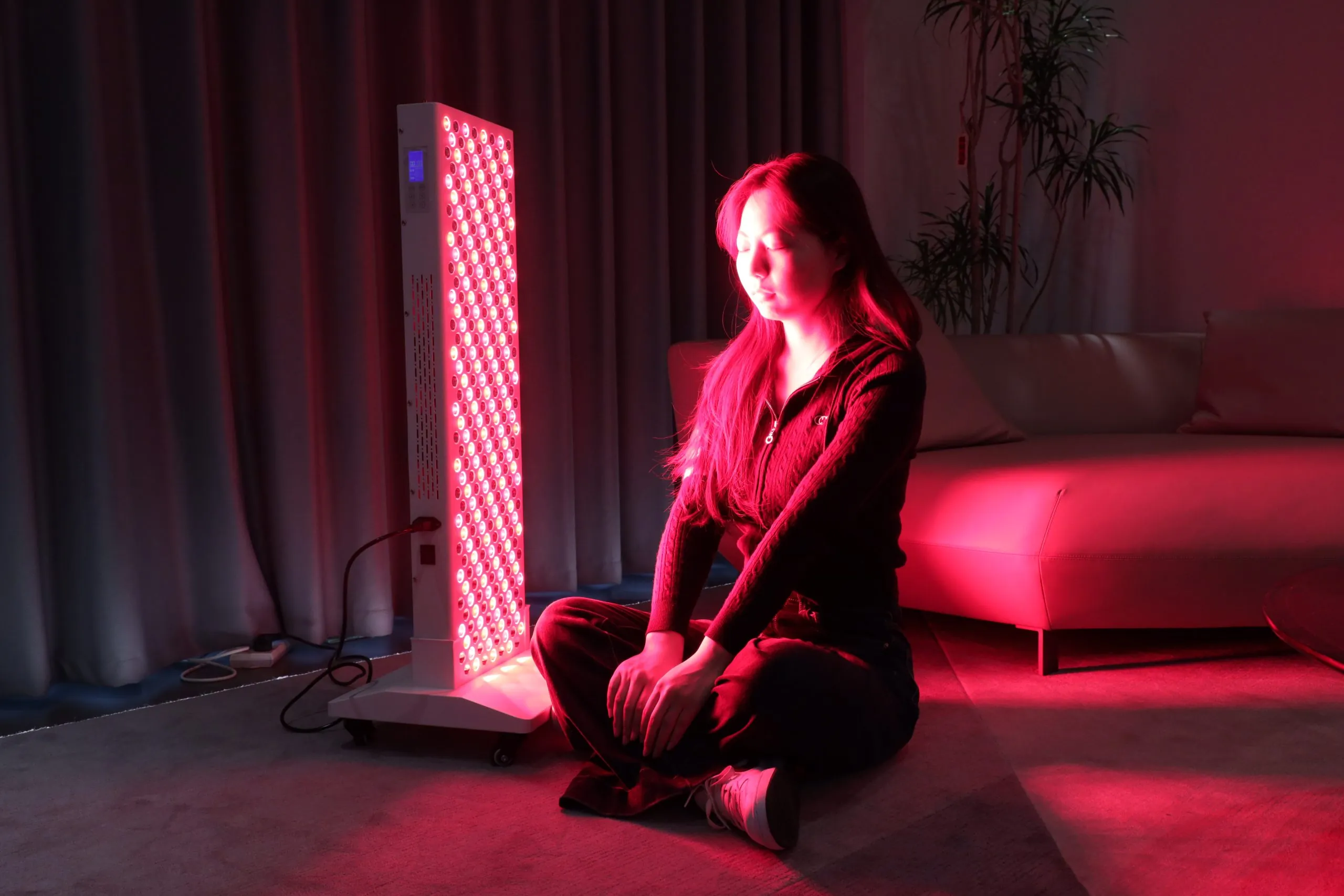
To wrap up, here are three key evaluation metrics I use and recommend: 1) Wavelength specificity and documented bands; 2) Measured LED irradiance and recommended fluence per session; 3) Device reliability including thermal management and power converter specs. Use these to compare options, and don’t be shy to ask vendors for test data. If you want a practical place to start exploring reliable units, I’ve found useful options through brands like Magique Power. Trust your experience, track results, and tweak the protocol — salud to better days ahead.