Introduction: Framing Comfort, Control, and Character
In rider ergonomics, form is not just aesthetic; it is a compliance framework for the body in motion. A vintage cruiser places the feet forward, the bars back, and the mass low. Now picture a dusk commute with crosswinds and stop‑and‑go traffic—precise throttle response, rake and trail, and wet weight shape every choice you make (and every mistake you avoid). In a brief field review, we counted more than a dozen micro‑maneuvers per mile—clutch feathering, brake bias, and line corrections—then asked: which platform reduces cognitive load when fatigue rises? The numbers mattered, but the pattern mattered more. A long wheelbase can calm wobble; a neutral torque curve can spare wrists; an ABS module can turn a panic squeeze into a controlled stop. Yet the overlay is human: comfort, predictability, and recovery window. So the legal question emerges in plain clothes: what duty of care does a layout owe the rider, and what risk does it shift back? This is where the comparison starts, not where it ends—because design is precedent, and the road is the test. Let’s move to the pinch points and see what hides in plain sight.
Part 2: The Hidden Pinch Points of the Bobber Form
Where do the trade‑offs hide?
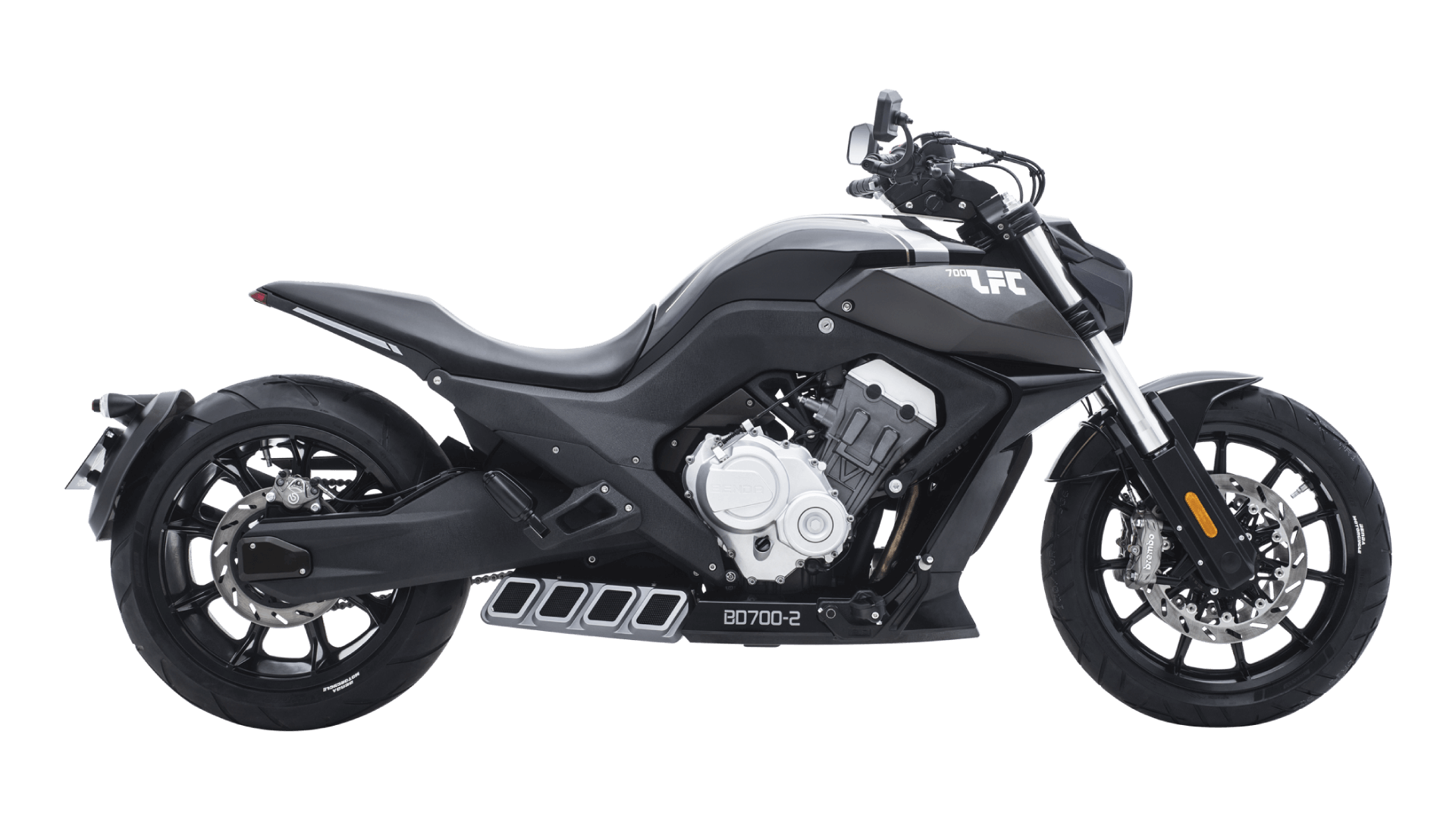
Here is the direct brief: a classic bobber motorcycle looks clean and feels pure, but certain user costs remain off the brochure. Peg position and short suspension travel can load the spine on broken pavement—funny how that works, right? The low rear fender and tighter swingarm geometry often reduce compliance, so compression damping becomes the quiet villain at city speeds. Shorter gearing can feel lively in the first block, yet the gear ratio may ask for extra shifts at 45–55 mph, which adds fatigue over time. Heat soak near the seat loop can creep in during slow runs. And if wet weight clusters high near the tank, low‑speed corrections take more lever force than you expect. Look, it’s simpler than you think: sharp style creates sharp edges in use, and you sense them fastest when you ride daily, not just on Sunday.

The second layer is control bandwidth. A bobber’s stripped stance can narrow room for error. On rough corners, limited travel compresses early; the chassis signals “enough” before you are done. Fuel mapping may be snappy, which is fun until a mid‑turn bump adds input you did not plan. Combine that with short bars and you get quicker steering but less leverage; micro‑corrections stack up. None of this condemns the type. It clarifies it. If your commute is short, the vibe is great. If your loop is 60 miles with mixed speeds, the math changes, because torque curve, throttle response, and brake bias define how relaxed you arrive. When fit and use align, the bobber sings—when they do not, the little frictions get loud.
Part 3: Forward‑Looking Comparisons and Emerging Principles
What’s Next
Technical lens on: the next wave blends classic frames with smarter subsystems, and that recasts the cruiser‑vs‑bobber debate. A modern ECU with refined fuel mapping can smooth on‑off throttle at parking‑lot speeds. Lightweight wheels reduce unsprung mass, so the fork and shocks track better even with shorter travel. Add edge computing nodes in the control network and you can adapt ABS thresholds by surface. Power converters stabilize accessory loads, so lighting and charging do not steal headroom from ignition duties—small details, big effects. Against that backdrop, a vintage bobber motorcycle can keep its stance yet gain daily‑use grace. The lesson is structural: geometry sets the baseline, electronics widen the safe envelope. And yes, the irony is real—tech can preserve “simple” style by carrying the complexity out of sight.
Comparatively, the vintage cruiser still excels at long, even pace. Forward controls and a relaxed rake reduce twitch in crosswinds, and a flatter torque curve cuts shift counts on rolling highways. But a smart bobber that uses updated swingarm geometry and better compression damping closes the gap in town. If you mix rides—weekday errands, weekend loops—hybrid setups win. Think adjustable levers, re‑valved shocks, and a mild change in gear ratio to calm the 40–60 mph band. Add a clear service path for canbus updates and ABS module checks to keep the system honest. The themes from above stand, but with a future tilt: design for margin, tune for feel, and let micro‑controls handle the spikes. Advisory close: measure what matters. First, fit geometry that matches your height and typical speed, focusing on rake and trail and bar reach. Second, torque‑to‑weight in the midband, not just peak horsepower, so passes are calm. Third, service access—filter, wiring, and brake bleed points—because upkeep is destiny. Choose with eyes open, ride with margins, and let the machine meet you halfway—then the miles repay you. BENDA