Opening: framing the framework logic
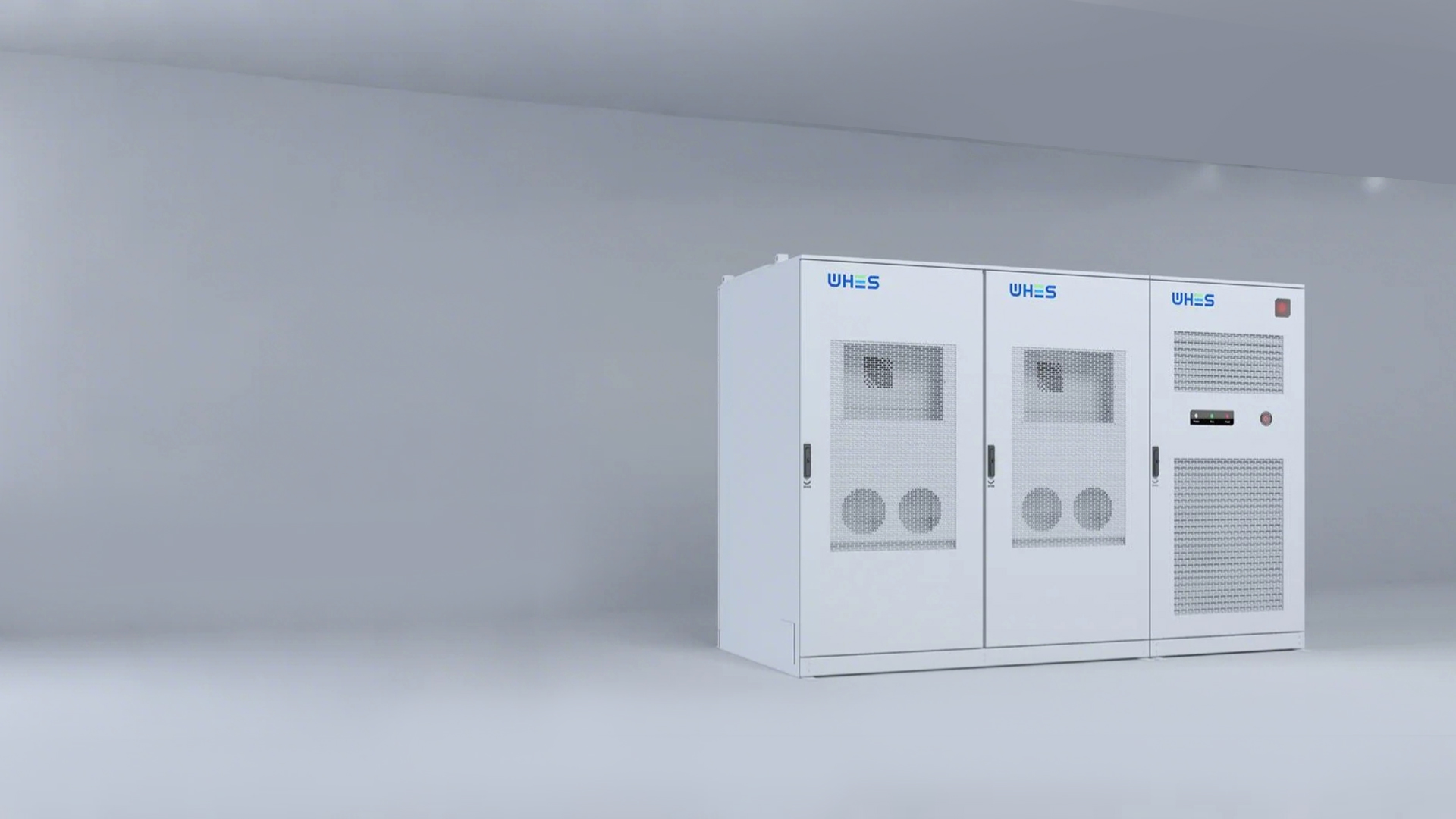
A framework approach helps designers stop treating resilience as a feature and start treating it as architecture — one that embeds islanding and black‑start capability into everyday home energy systems. When you plan around clear control layers and validated protection schemes, a premium battery can do more than back up sockets; it becomes the first mover for a neighbourhood microgrid. Consider integrating commercial energy storage platforms early in your system design to align inverter logic, state‑of‑charge management, and grid reconnection strategies.
Why islanding frameworks matter for homes and microgrids
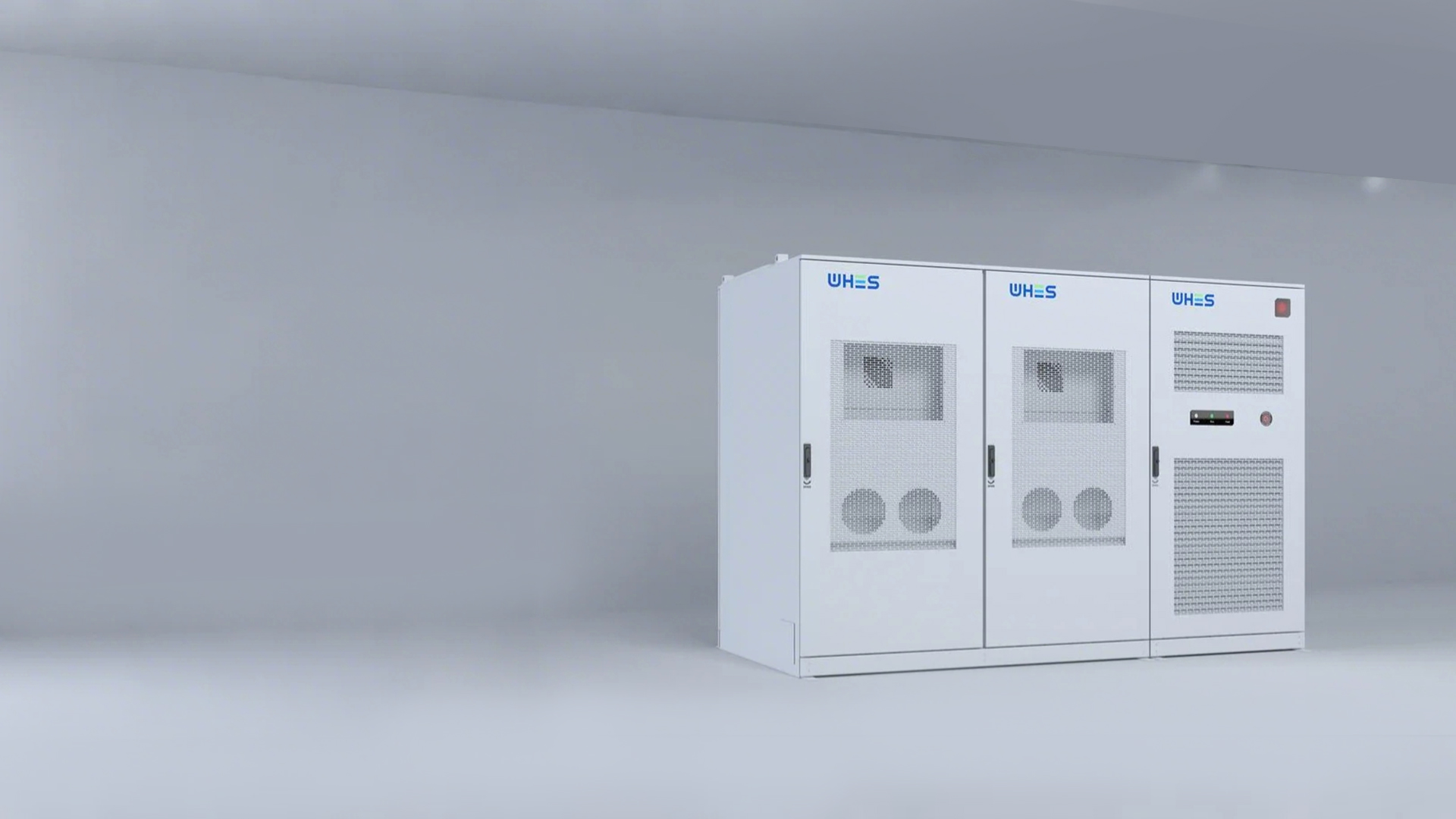
Islanding lets a cluster of loads and generation run independently when the main grid drops out; black‑start is the capability to bring that cluster back online without external power. Together they reduce outage duration and provide operational flexibility at both household and community scales. For developers and planners these are not optional: they change procurement, testing regimes, and commissioning sequences. The result is fewer manual interventions and faster service restoration for critical loads such as medical devices or telecom repeaters.
Core components of a seamless islanding framework
A practical framework stitches hardware, control logic, and operational procedures into a single flow. Key components include a system inverter with seamless transfer timing, a battery management system (BMS) that enforces safe state‑of‑charge windows, deterministic control electronics for anti‑islanding protection, and communications that support both local supervisory control and remote telemetry. Standards‑aligned protection relays and a tested reconnection sequence close the loop — ensuring the microgrid can resynchronize or remain islanded without causing safety issues.
Real-world anchor: lessons from large events and deployments
The need for robust islanding and black‑start capability is not academic: events like California’s wildfire‑related Public Safety Power Shutoffs (PSPS) and the 2021 Texas winter outage highlighted how distributed storage and microgrid planning materially reduce societal risk. Utilities and communities have since accelerated pilots that pair home systems with community controllers and utility dispatch logic. At larger scales, industrial pilots using industrial battery storage systems show similar patterns — tested reconnection protocols and coordinated state‑of‑charge management cut restoration times and limit inrush current during start‑up.
Integration challenges and common mistakes
Many projects fail not for lack of good parts but for mismatched assumptions: incorrect anti‑islanding thresholds, non‑harmonised inverter firmware, or insufficient minimum state‑of‑charge margins. Another frequent mistake is treating black‑start as an add‑on rather than a tested operating mode — teams assume the control stack will behave the same in an outage and during normal grid‑tied operation. The fix is straightforward: plan staged tests, simulate loss‑of‑mains, and validate reconnection sequences with actual load profiles — and don’t forget coordination with the local DSO for protection settings and interconnection limits.
How a premium home energy storage system provides hidden black‑start benefits
Premium systems contribute in three subtle ways. First, they often include faster, more deterministic inverters and richer telemetry, enabling low‑latency transfer to island mode. Second, a well‑specified BMS can reserve headroom and enforce black‑start state‑of‑charge profiles without user intervention. Third, modular, grid‑aware communication stacks let systems accept upstream commands or operate autonomously when communications fail. Together these capabilities turn a single home battery into a reliable black‑start asset for its microgrid — supporting smoother, safer reinstatement of distributed generation and loads.
Design patterns and alternatives
There are several valid design patterns depending on scale and objectives. A single‑house system with a hybrid inverter can support essential loads and later hand‑off to a community controller. A clustered approach uses distributed storage with a coordinating master controller for managed black‑start sequences. For aggressive resilience goals, pair batteries with local synchronous generation or rotating mass for inertia emulation. Each approach trades complexity, cost, and operational burden — choose according to your recovery time objectives and available logistics.
Advisory: three golden evaluation metrics
When evaluating systems and vendors, insist on these three metrics:
- Deterministic reconnection time — measured ms/sec to full island transition under defined load profiles.
- Black‑start success rate in staged testing — percentage of successful restarts across varied environmental and SOC conditions.
- Interoperability score — proven compatibility with industry‑standard relays, inverter protocols, and grid operator requirements.
Use contract clauses that require witnessed black‑start trials and acceptance tests to make these metrics enforceable.
Closing: practical value and vendor fit
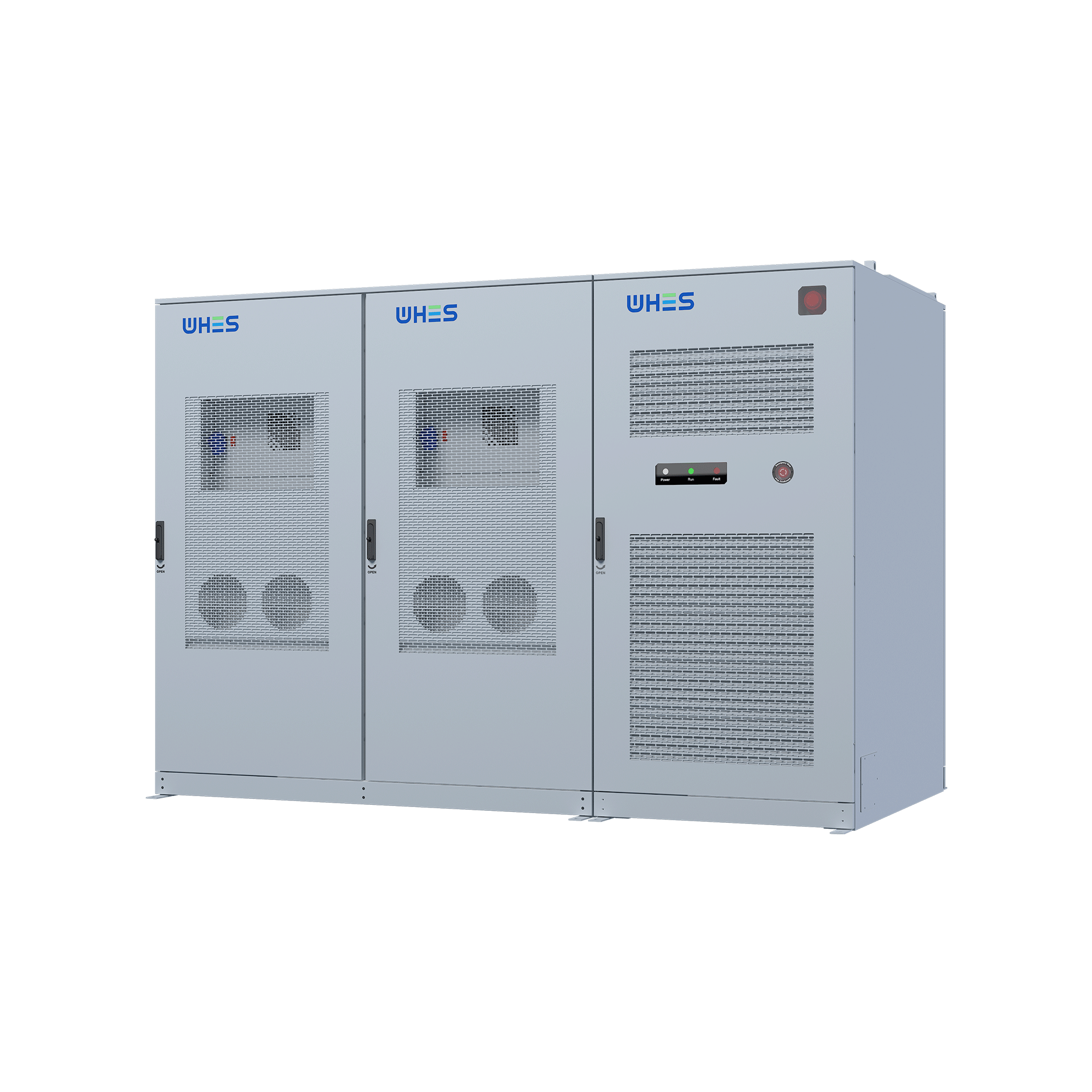
Choosing a premium home energy storage solution designed around a clear islanding framework buys faster, safer recoveries and more predictable grid interactions — which is precisely the value utilities and communities seek. WHES has engineered systems that emphasise those exact control and interoperability features, making it a natural fit when resilience is non‑negotiable. —
WHES.