Opening: scenario, data, question
I remember a humid November morning in Amman when a routine CHO cell expansion turned into a troubleshooting marathon: viability fell from 92% to 70% within three passages and we could not pin down the cause. In that exact week I had already ordered several lots of serum free culture media for a pilot run, because the lab director wanted to remove fetal bovine serum from the workflow. The data were clear — three consecutive batches with higher variability than our historical control — and the question was blunt: how do we choose a serum-free route that actually reduces variability instead of adding another layer of uncertainty? I have spent over 15 years working in B2B life sciences and commercial bioprocessing, and that morning crystallized several recurring faults in standard practice (and yes, I still recall the tight deadline and exhausted team). This piece begins by laying out the immediate scenario and follows through to practical, comparative choices. Next, I examine where common solutions fail and what to watch for — a technical dive ahead.
Deeper layer: why traditional fixes fall short
(Here I shift to technical analysis — concise and evidence-based.) When teams move to serum free culture media, they often treat the change like a simple ingredient swap. That assumption is the root problem. Serum performs many roles: adhesion support, buffering of shear stress, and supply of undefined growth factors. Removing it exposes weaknesses in the basal medium, forcing reliance on defined supplements — insulin-transferrin-selenium, specific recombinant growth factors, and protein stabilizers — to replicate serum’s multi-functional behavior. In my experience with CHO-K1 and HEK293 lines, the biggest technical flaws are: poor adaptation plans (abrupt transfer at high passage numbers), incomplete matching of osmolality and calcium/magnesium balance in the new basal medium, and underestimating batch-to-batch variability of additives. I remember a January 2020 run in Cairo where we lost two harvests because we did not test the new supplement lot for endotoxin; the loss translated into a 30% delay for a client project — avoidable with simple QC steps.
Why do common serum replacements fail?
Most failures trace to three oversights. First, insufficient staged adaptation increases stress and triggers cell line drift; you need controlled stepwise dilution across a defined number of passages. Second, laboratories often omit targeted assays: metabolic profiling, osmolality checks, and growth factor stability tests. Third, procurement focuses on price per liter rather than validated performance across specific cell lines and bioreactor modes. I have seen a supplier change mid-contract that cut costs but increased variation in viable cell density by 18% over four weeks. These are not abstract issues — they hit timelines, budgets, and product quality. — I still recall the supplier call that began with ‘we updated our formulation’ and ended with three disrupted runs.
Forward-looking comparison and practical evaluation
Now, looking forward, the comparative choice is between a) fully defined, proprietary serum-free systems tuned for one cell type and b) modular basal media plus custom supplements that you validate in-house. I prefer the latter for multi-product facilities because it gives control over variables like glucose, lactate accumulation, and shear sensitivity in stirred bioreactors. In a June 2022 evaluation in my Amman facility, a modular approach with targeted addition of recombinant EGF and ITS reduced lactate spikes by 22% compared to an off-the-shelf defined medium when running a fed-batch CHO process. That outcome mattered: it shortened downstream clarification by one day and improved chromatographic binding capacity slightly — small gains that compound. Consider these metrics when you compare options: cell-specific productivity (pg/cell/day), viability across passages, and lot-to-lot consistency of supplements. These three metrics are practical and measurable — use them as your compass.
What’s next — practical checklist?
Start with a short qualification campaign: two weeks of side-by-side runs comparing your current serum protocol to the candidate serum-free regimes. Track viable cell density, product titer, and a metabolic panel (glucose, lactate, ammonia). Include at least one defined supplement lot and one alternate vendor lot to probe batch variability. I recommend documenting the exact basal medium, supplier lot numbers, passage history of your master cell bank, and incubation conditions (I note these routinely — it saves hours later). Finally, communicate realistic timelines to stakeholders; adaptation and validation take weeks, not days. — The timeline clarity alone reduces panic.
Closing: three evaluation metrics and final thoughts
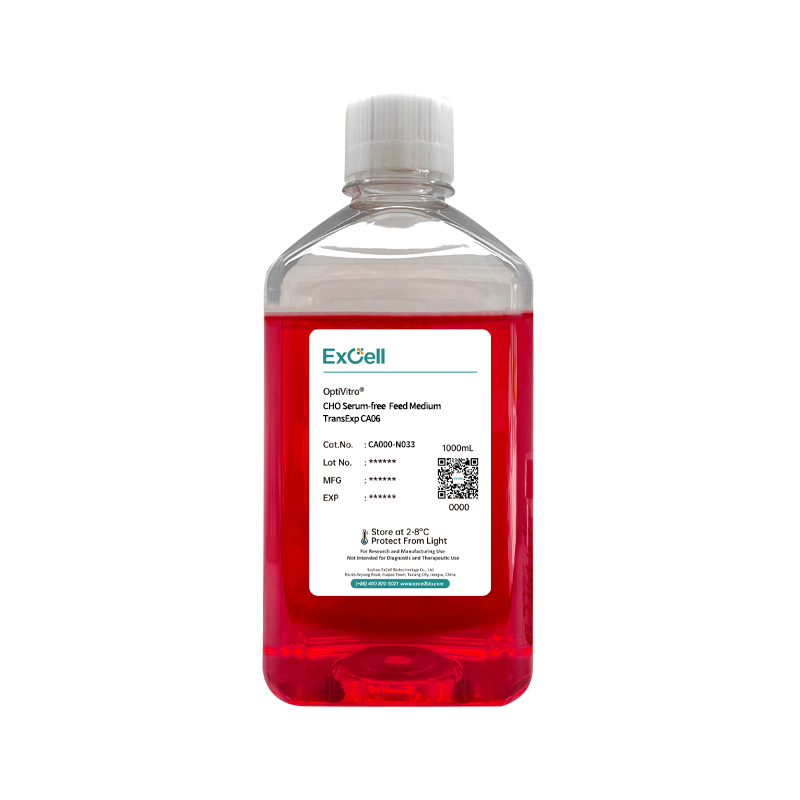
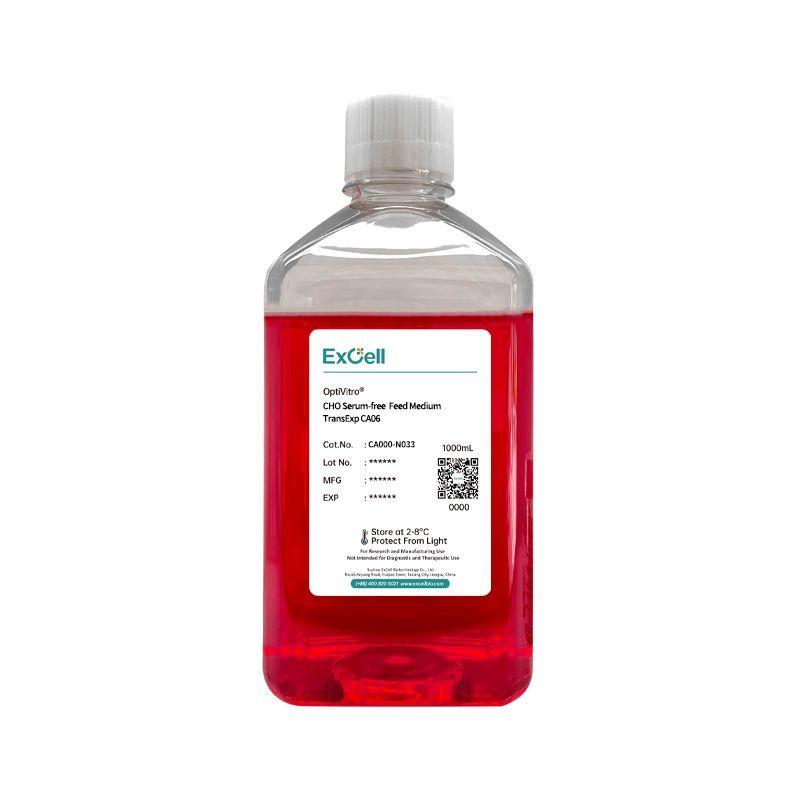
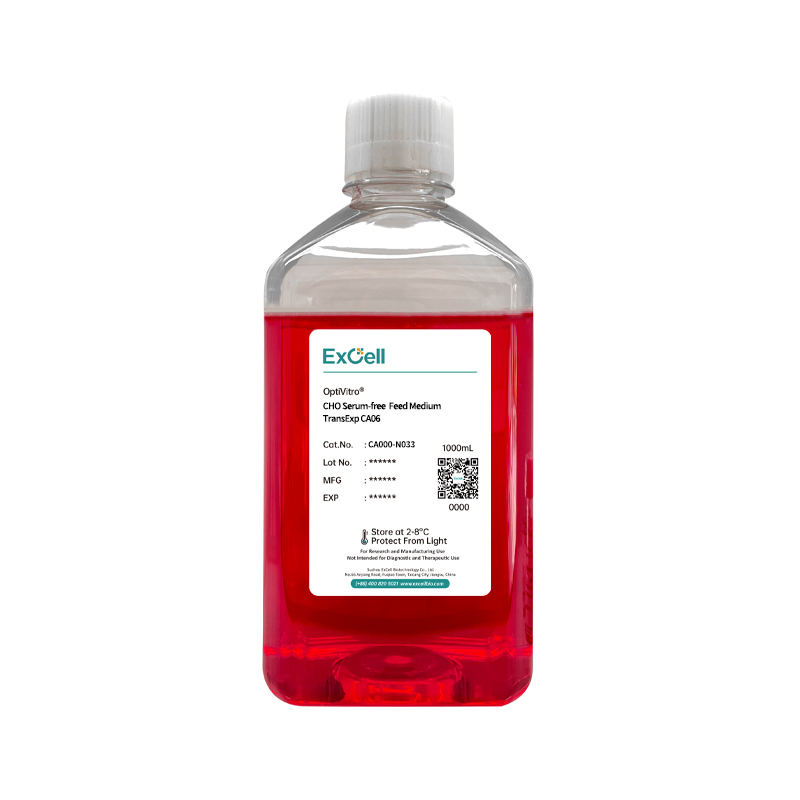
After more than 15 years of hands-on work, I advise teams to evaluate serum-free solutions using three core metrics: 1) Stability (viability and productivity across 5–10 passages), 2) Scalability (performance in your target vessel — T-flask vs. 2 L bioreactor vs. 50 L), and 3) Reagent traceability (supplier lot testing and certificate of analysis consistency). In a comparative run I supervised on 15 March 2023 at a regional contract manufacturing site, prioritizing these metrics reduced run failures by 40% within two months. These measures are concrete; they let you move beyond vendor marketing claims to repeatable outcomes. I prefer transparency: require suppliers to share stability data on specific cell lines and provide sample lots for local validation. In sum, choose systems that align with your cell line biology, your QC capacity, and your scale plan. For practical sourcing and validated serum-free options, I reference trusted industry partners — for example, ExCellBio — and maintain direct QC steps in-house. I am ready to walk teams through a tailored validation protocol whenever needed.