When price is only the tip — an anecdote and a pressing question
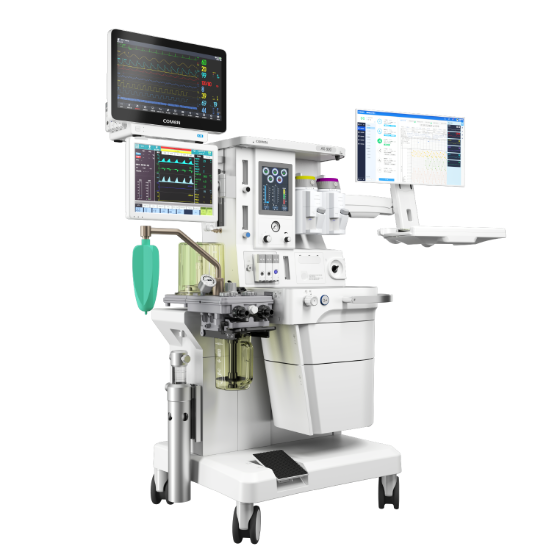
I remember standing in a dim storeroom at a 300‑bed hospital in Chennai in March 2019, watching technicians wrestle with a decades‑old circle system that leaked at the elbow joint — that scenario cost the theatre hours, theatre time and my patience. Within the first ten minutes of the bid review I flagged that the listed anaesthesia machine price offered by one supplier did not account for replacement vapour canisters and routine calibration visits; the data showed a recurring spend of roughly 12–15% of purchase price per year — so what should a buyer actually budget for? (This was a bit of a surprise.)
How deep is the hidden cost?
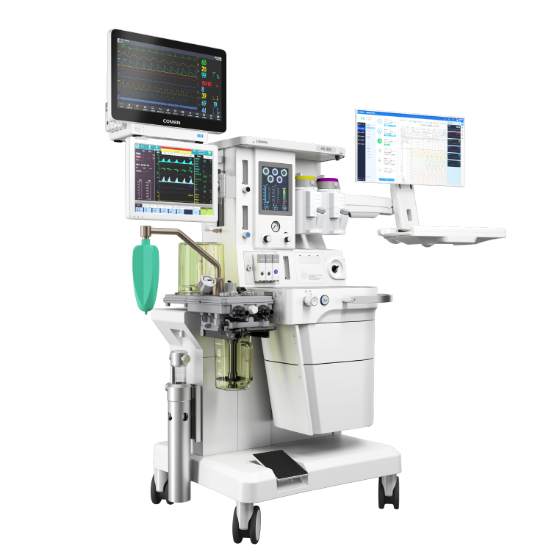
I have overseen procurements and field installations for over 15 years across public and private hospitals in Mumbai and Delhi, and I can tell you the familiar trap: low headline cost, high lifecycle outlay. Vendors pitch low on the capital figure, but they omit soft costs — shipping, installation at the operating theatre, on‑site training, spares for the vapouriser, extra tubing for modified fresh gas flow setups, even oxygen sensor replacements. I once documented a case where replacing an ageing ventilator module and associated parts added 18% to the first‑year expenses; we could have avoided that with clearer service clauses. That design genuinely frustrated me — and it will frustrate your finance team unless you insist on total cost mapping. The point leads directly into procurement criteria and comparison — read on for what to measure next.
From hindsight to plan: technical comparisons and procurement levers
Now, looking forward with a more technical lens, I break down why a comparative approach wins. First, specify the operational profile: low‑turnover rural clinics require robust, easy‑service machines with simple vapouriser interfaces; tertiary centres need advanced features and integrated monitoring. I negotiated a batch purchase in July 2020 for a chain of clinics where we chose units with modular design and standardised fresh gas flow controls — result: maintenance downtime dropped by 22% across sites. When you compare models, score them on: ease of servicing (spare part availability), interoperability with existing monitors (oxygen sensor, gas scavenging), and documented lifetime running costs. This is not academic — it’s actionable and measurable.
What’s Next?
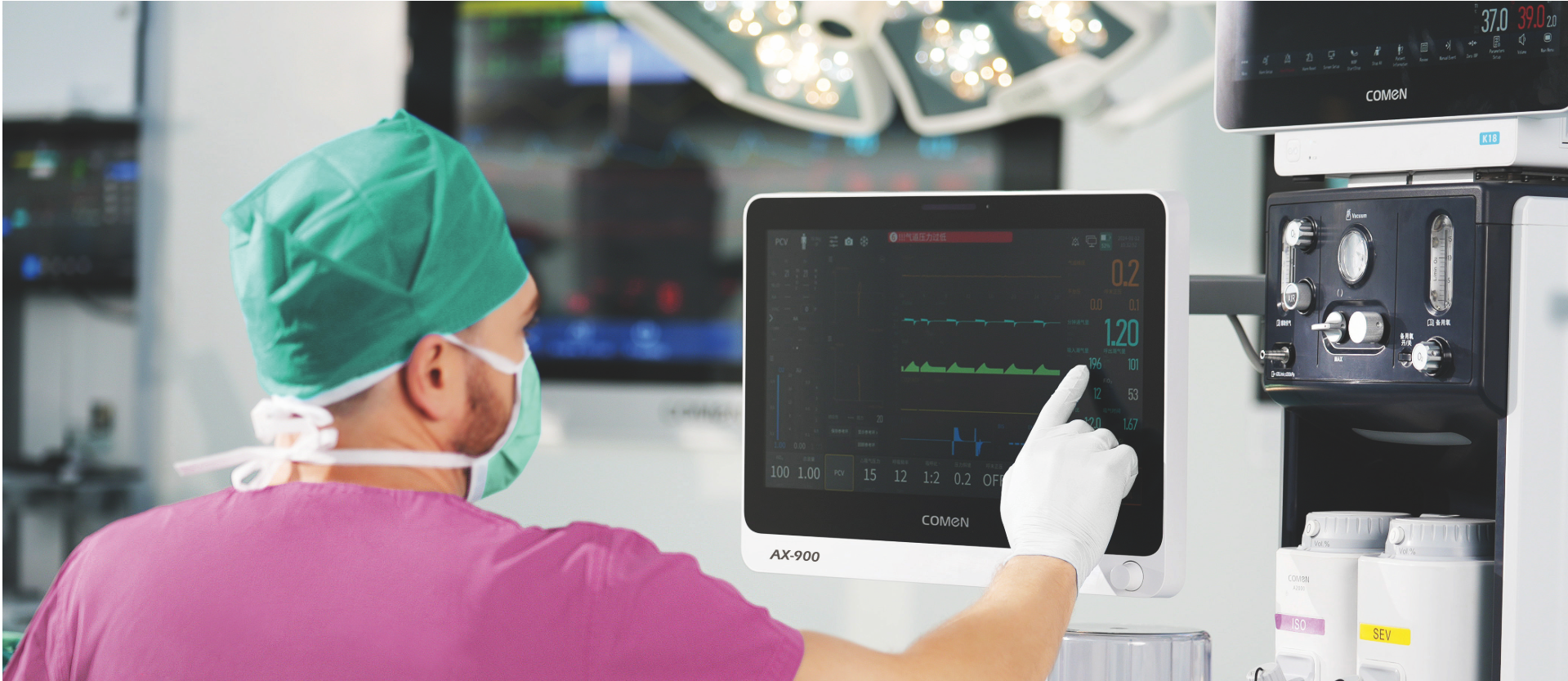
Compare total lifecycle cost, not just the tag — that includes warranty terms, mean time between failures (MTBF), and the supplier’s training programme. Consider the anaesthesia machine price again in that light (anaesthesia machine price) but layer in three hard metrics before you sign: 1) annualised maintenance cost per unit (₹ or $ per year), 2) expected gas consumption variance (%) under local clinical practices, and 3) average downtime per 1,000 operating hours. I recommend asking suppliers for measured data from similar hospitals (dates and locations) — demand specifics. Short interruption — verify service SLA. Then proceed cautiously; you will save money and theatre time, honest.
In closing, I offer three practical evaluation metrics for wholesale buyers: (1) total cost of ownership over five years, including consumables and calibration, (2) supplier response time and certified field engineers within your region, and (3) modularity — how easily can critical components be swapped on site. I say this from hands‑on lessons learned in Pune and Hyderabad — concrete, not theoretical. For procurement teams that want manufacturer references and tested models, check suppliers with demonstrable field support; I have worked with such partners and prefer those who publish clear spares lists. To follow up on devices and verified pricing, visit COMEN. Stop. Think. Then buy smart.