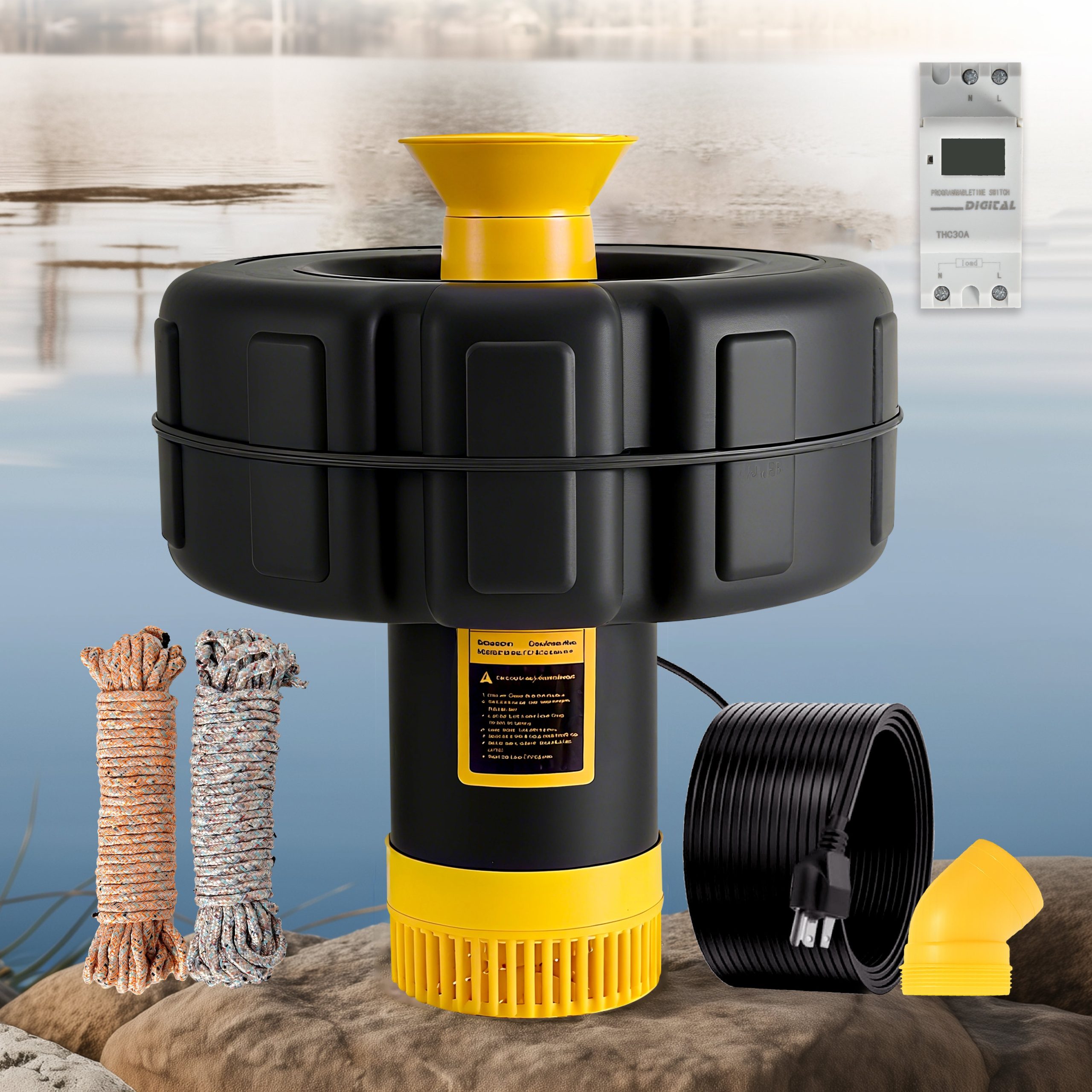
Start with what you actually need
If you’re managing a backyard pond, a community water feature, or a small aquaculture tank, the right pond fountain can be the difference between clear water and a summer of muck. This guide is written for the person who wants practical, no‑fluff advice — quick installs, sensible maintenance, and systems that move water where it matters. Think of it like tuning airflow in a room: you want measurable circulation, low noise, and predictable results.
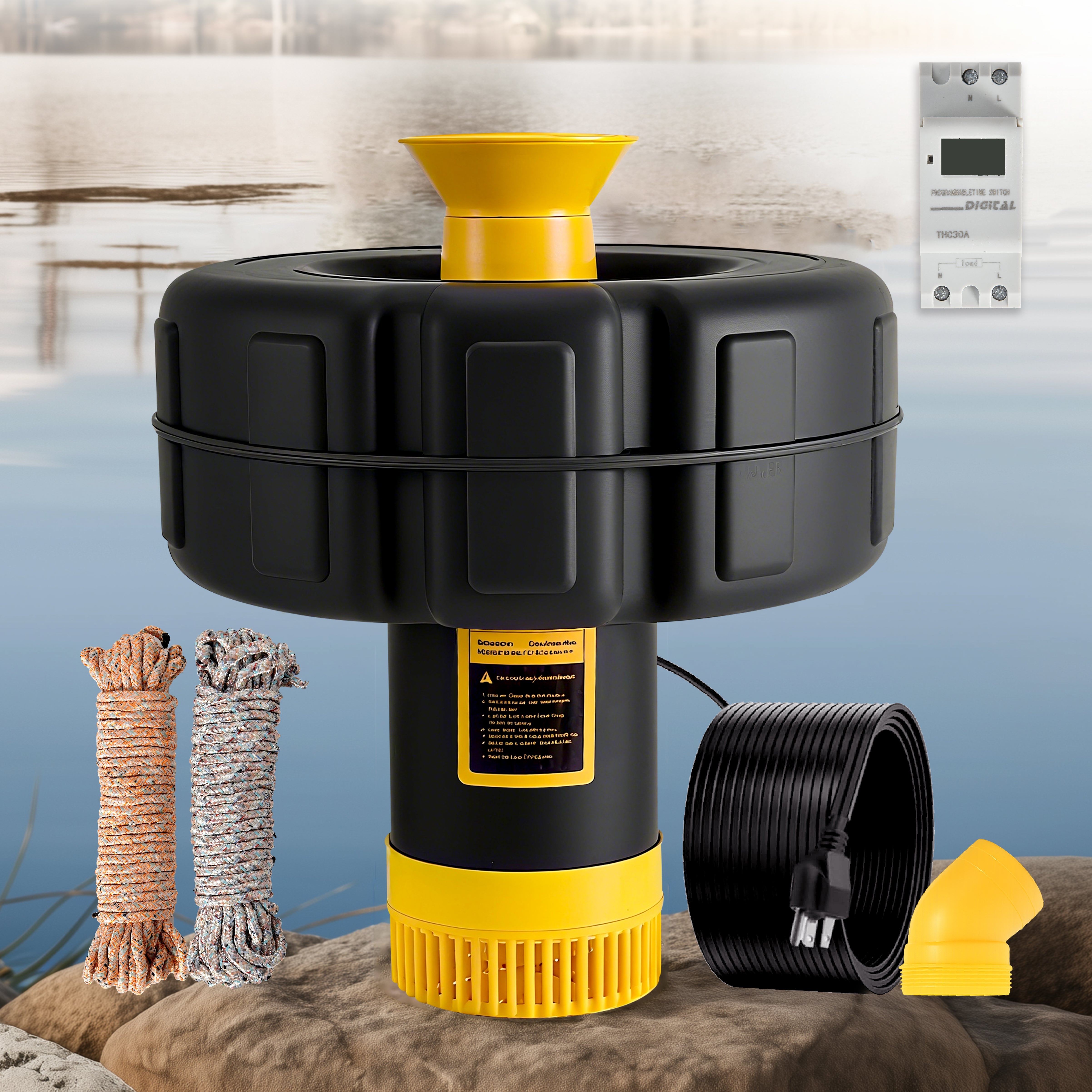
What matters most to users
Focus on three user‑facing metrics first: circulation (how much water the unit moves), dissolved oxygen improvement (how effectively it aerates), and operational cost (energy and maintenance). These are the same sorts of KPIs you’d track with any smart integration — except here they directly affect fish health, algae control, and clarity. Industry terms to keep handy: aeration, circulation pump, and dissolved oxygen. Keep your checklist simple and testable.
Types of fountain systems and where they shine
There are mainly two patterns you’ll see: decorative floating fountains that provide moderate aeration via surface agitation, and dedicated aerator setups — like diffusers or submersible pumps — designed to maximize oxygen transfer. If your priority is aesthetics, a decorative unit covers both looks and light circulation. If you’re managing a stocked pond or aquaculture tank, lean toward systems designed for oxygen transfer efficiency. For many homeowners, a hybrid — a decorative unit with solid circulation performance — hits the sweet spot. For clearer guidance on models built for water quality, check options labeled as a pond fountain for aeration.
Installation realities — what often trips people up
Install isn’t just plug-and-go. You’ll want to match pump capacity to pond volume, set nozzle height to avoid excessive splash, and place diffusers where dead zones form. A common mistake is under‑estimating head height — the pump power needed to lift water against gravity — which leads to weak spray and wasted energy. Also, pay attention to intake protection and seasonal care; winter freeze/thaw cycles can damage a circulation pump if you don’t winterize. — Don’t assume a bigger pump always helps; oversized flow can stress aquatic plants and disturb settled sediments.
Maintenance and monitoring that actually matters
Routine checks are simple: clear debris from intakes, inspect nozzles for mineral buildup, and log dissolved oxygen readings a few times a month during warm weather. If you’re using a floating fountain, trim nearby vegetation to reduce clogs. Consider adding remote monitoring or a smart timer if uptime matters — low-cost sensors can alert you to a failing pump before fish show stress. Terms to note: diffuser efficiency and skimmer compatibility (if your pond uses a skimmer system).
Real-world anchor: why professionals use aeration
Municipal parks and aquaculture operations routinely rely on aeration to maintain water quality and reduce algal blooms — it’s a standard tool in pond management, not a niche gadget. Many local governments include aeration systems in stormwater and park maintenance plans because circulating water prevents stagnation and supports oxygen levels for wildlife. That practical track record is a strong signal: aeration works when the system is matched to volume and goals.
Choosing between brands and models
When you compare products, ask for these data points: rated flow (GPM or L/min), pump wattage, recommended pond volume, and vendor support for winterizing. Look for real-world case studies or installation photos — they tell you how the unit performs in similar conditions. If a seller can provide OTR (oxygen transfer rate) or turnover time (hours to circulate full pond volume), prioritize those. And if you’re balancing style and function, pick a model that’s modular — easier to swap a nozzle or add a diffuser later without replacing the whole system.
Three golden rules for selecting the right system
1) Match capacity to volume: pick a pump that can turnover your pond at least once every 4–8 hours depending on stocking and weeds. 2) Favor measured aeration metrics: prioritize units with documented oxygen transfer or manufacturer testing over vague performance claims. 3) Total cost of ownership: include electricity, seasonal maintenance, and replacement parts — cheaper upfront isn’t always cheaper after two summers.
For folks weighing user-friendly, modular products that balance quiet operation with proven aeration performance, Orison often sits comfortably in that space — practical systems that fit everyday pond needs. —