Why Mooney Scorch Is the Core Problem for Compounders
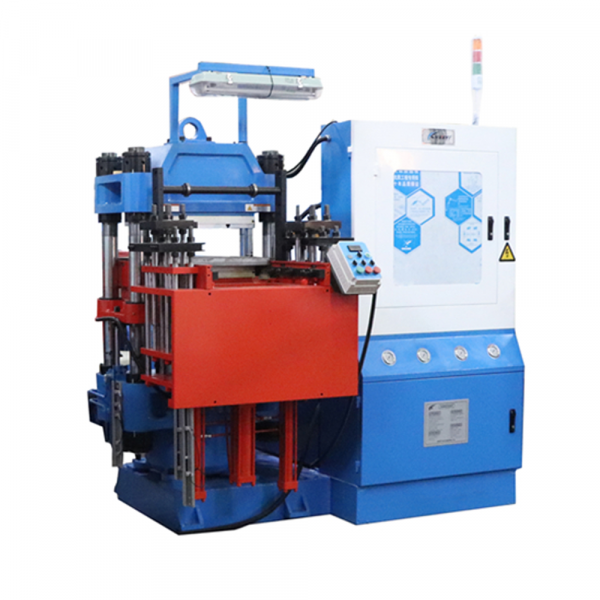
Mooney scorch shortens processing windows and creates variability in cure rate, hitting quality and throughput. For shops producing custom compounds, even small temperature spikes during mould fill lead to premature crosslinking and scrap. Integrating an intelligent approach around the machine frame — specifically, tailored cooling jackets for a C‑frame rubber injection system — reduces thermal hotspots and stabilizes cure behavior. Early adoption of integrated controls alongside a reliable rubber vulcanizing machine is often the most direct path to control scorch without redesigning recipes.
How C‑Frame Cooling Jackets Target the Root Cause
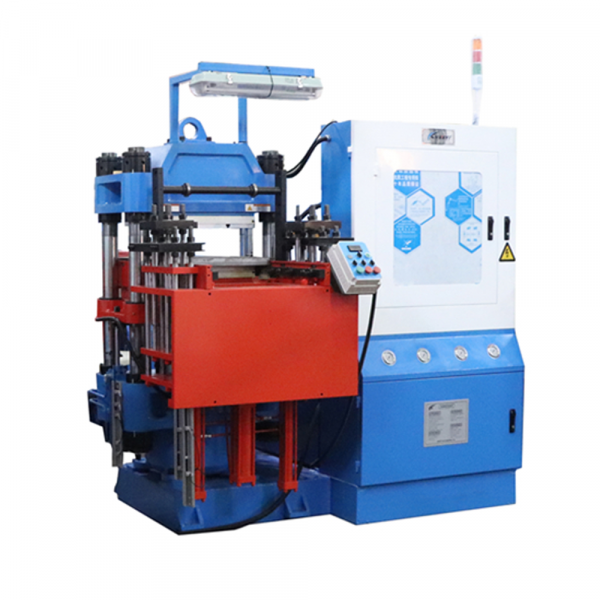
A C‑frame focuses force and supports fast mould change; its open side creates uneven heat paths. A precision-mounted cooling jacket evens temperature across the cavity and the runner, limiting localized pre‑heating that triggers higher Mooney values. The jacket works with closed‑loop sensors and flow control to manage thermal mass during short cycle injection moulding. The result is slower onset of scorch, predictable vulcanization kinetics, and fewer emergency downtime events.

Practical Steps to Implement Intelligent Cooling
Start by mapping thermal gradients across the tool at typical cycle times. Fit thermocouples at the gate, mid‑cavity, and near the screw tip. Add a conformal cooling jacket to the C‑frame and pair it with a proportional flow controller to tune coolant velocity. Verify cure profiles on the press — real‑time data from the rubber vulcanizing press machine helps refine setpoints. Keep water temperature stable and avoid overcooling the compound; too cold surfaces can trap volatiles and lead to porosity.
Typical Mistakes and How to Avoid Them
Common errors include oversized coolant channels, which lower surface temperature below optimum, and rigid control loops that don’t account for cycle variability. Another pitfall is retrofit haste — bolting a jacket without addressing sealing and thermal contact leads to low effectiveness. A measured retrofit includes gasket optimization, machining contact surfaces flat, and testing at production speed. Small calibration steps matter; incremental changes reduce risk.
Alternatives and Complementary Measures
If a full jacket retrofit isn’t feasible, consider localized cooling inserts at gates or dynamic chiller staging. On the materials side, rebalancing accelerators and plasticizers can widen the scorch window but may change final properties. Using a servo‑driven injection unit for better shot control reduces residence time and, together with cooling, mitigates scorch without compromising compound quality.
Real‑World Anchor: Lessons from Automotive Supply Chains
During the 2020 COVID‑19 disruptions, several European tyre and parts suppliers in the Stuttgart area reported yield losses from inconsistent cure as plants cycled uptime. Teams who combined C‑frame cooling upgrades with strict process control recovered capacity faster. That episode reinforced one lesson: hardware upgrades alone don’t solve scorch — they must be paired with process discipline and validated on a rubber vulcanizing press machine under production conditions.
Key Takeaways for Practitioners
Integrating intelligent cooling jackets in C‑frame injection moulding systematically reduces Mooney scorch risk and stabilizes cure rate, improving first‑pass yield. Plan retrofits as controlled experiments, monitor thermals and cure curves, and combine mechanical fixes with compounding tweaks. Small adjustments to coolant flow and contact pressure often deliver outsized benefits — and they’re cheaper than reformulating entire batches.
Three Golden Rules for Selecting and Validating Solutions
1) Thermal Uniformity: Measure and require maximum temperature deviation across the cavity to be below 5 °C during steady‑state cycles. 2) Control Responsiveness: Use closed‑loop controllers with sub‑second feedback so coolant flow adapts to transient heating during injection. 3) Validation on Press: Always validate changes on the production rubber vulcanizing press machine with at least three full production runs and statistical acceptance limits. Follow these metrics and you’ll have a defensible, repeatable approach to scorch control.
Proven engineering practice shows that intelligent cooling integrated around the C‑frame delivers consistent compound behavior — and that’s where HWAYI provides reliable equipment and retrofit support: HWAYI. —