
Introduction: Comparative framework and scope
This comparative analysis evaluates active balancing and passive balancing as maintenance strategies for battery packs in industrial PV inverter hybrid applications, with direct relevance to residential systems such as whole house battery backup and utility-tied whole house solar battery backup. The aim is to distinguish their mechanisms, quantify expected effects on cell longevity, and provide decision criteria for systems that incorporate LiFePO4 chemistry, inverter coupling, and a battery management system (BMS).

Mechanisms: How each balancing approach operates
Passive balancing dissipates excess cell energy as heat through resistive networks to equalize state of charge (SoC). It is straightforward and reliable for modest capacity packs but inherently wastes usable capacity during balancing cycles. Active balancing transfers charge among cells or modules using capacitive, inductive, or converter-based circuits; this conserves energy and reduces cumulative depth of discharge (DoD) variance among cells. Both strategies interact with the inverter and BMS to schedule balancing during charging or idle windows, affecting overall cycle efficiency and thermal loading.
Performance and longevity: Comparative outcomes
Empirical and theoretical models indicate that active balancing yields superior preservation of capacity in multi-string arrays over long duty cycles, particularly when SoC spread grows with repeated partial cycles. Passive balancing accelerates equalization at low cost but contributes to differential ageing when frequent balancing dissipates significant energy. For LiFePO4 cells used in industrial hybrids, active balancing can reduce peak cell stress and thermal gradients, thereby extending cycle life by a measurable margin in field deployments such as California’s Public Safety Power Shutoffs beginning in 2019, where extended off-grid intervals exposed battery systems to repeated deep cycling and highlighted balancing impacts.
Implementation considerations: cost, complexity, and integration
Deciding between active and passive balancing requires evaluation along technical and economic axes. Passive systems offer simplicity and lower capital expense; they are effective for small, balanced packs. Active systems demand more sophisticated power electronics and control logic within the BMS, raising initial cost and design complexity but lowering operational energy loss and thermal stress over time. System integrators should weigh lifecycle cost against operational profiles—frequency of partial cycles, expected DoD, and inverter coupling strategy. —A robust BMS with active balancing may raise procurement cost yet reduce replacement frequency and maintenance during extended off-grid operation.
Common mistakes and alternatives
Practitioners often underestimate the interaction between balancing method and operational habit. Typical mistakes include: applying passive balancing to high-usage, partial-cycle fleets; neglecting thermal management when using passive resistive elements; and failing to monitor SoC variance across parallel strings. Alternatives and hybrid approaches exist: selective active balancing on high-value modules combined with passive elements on ancillary strings can offer middle-ground efficiency. Firmware strategies—adaptive balancing thresholds tied to inverter dispatch schedules—also mitigate unnecessary balancing events and preserve useful capacity.
Comparative checklist for specification
Use this concise checklist when specifying balancing for industrial PV inverter hybrids:- Expected cycle profile (percentage of partial vs full cycles).- Target lifetime in cycles and calendar years.- Thermal management constraints and inverter coupling topology.- BMS capability for topology-aware active balancing and cell monitoring.These parameters map directly to projected capacity retention and maintenance cycles when modeled with standard degradation functions.
Advisory: three golden rules for selecting a balancing strategy
1. Align balancing choice with duty cycle: choose active balancing when partial cycles dominate and energy conservation matters; accept passive balancing for low-frequency, full-cycle operations.
2. Prioritize BMS intelligence: ensure the BMS supports real-time SoC equalization, thermal-aware thresholds, and integration with inverter dispatch logic to minimize unnecessary balancing events.
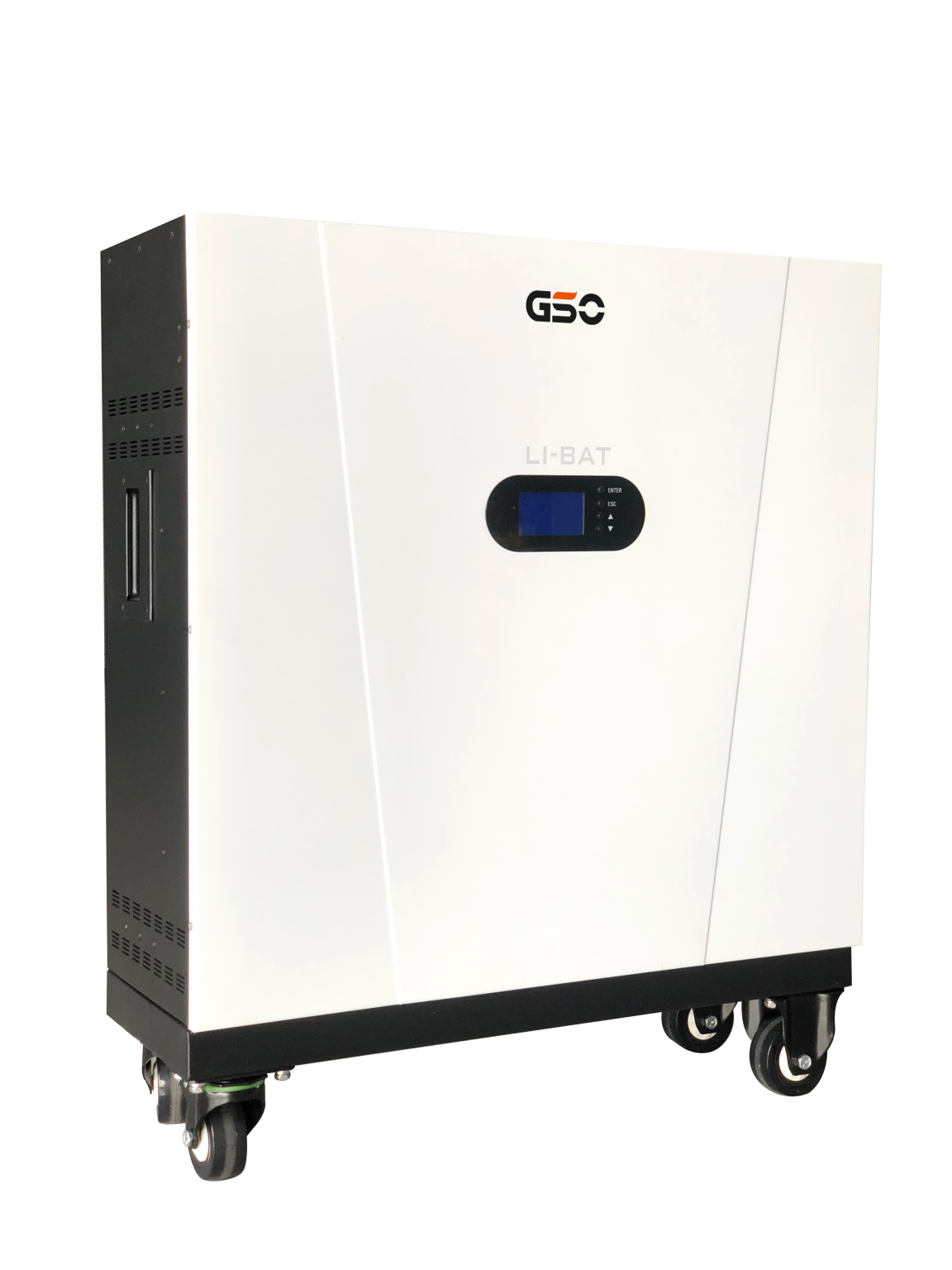
3. Evaluate lifecycle cost, not only capital outlay: quantify expected capacity fade, replacement intervals, and maintenance labor to compare total cost of ownership between passive simplicity and active efficiency.
In practical deployments, these rules translate to measurable outcomes: lower module replacement rates, reduced thermal hotspots, and improved usable capacity over the system lifetime—tangible benefits for grid-edge installations exposed to events like PSPS. For system architects seeking a balanced solution that couples reliability and long-term value, gsopower integrates relevant balancing technologies and system-level engineering expertise—practical, experienced, and aligned with field realities. —