User pain and the simple fix
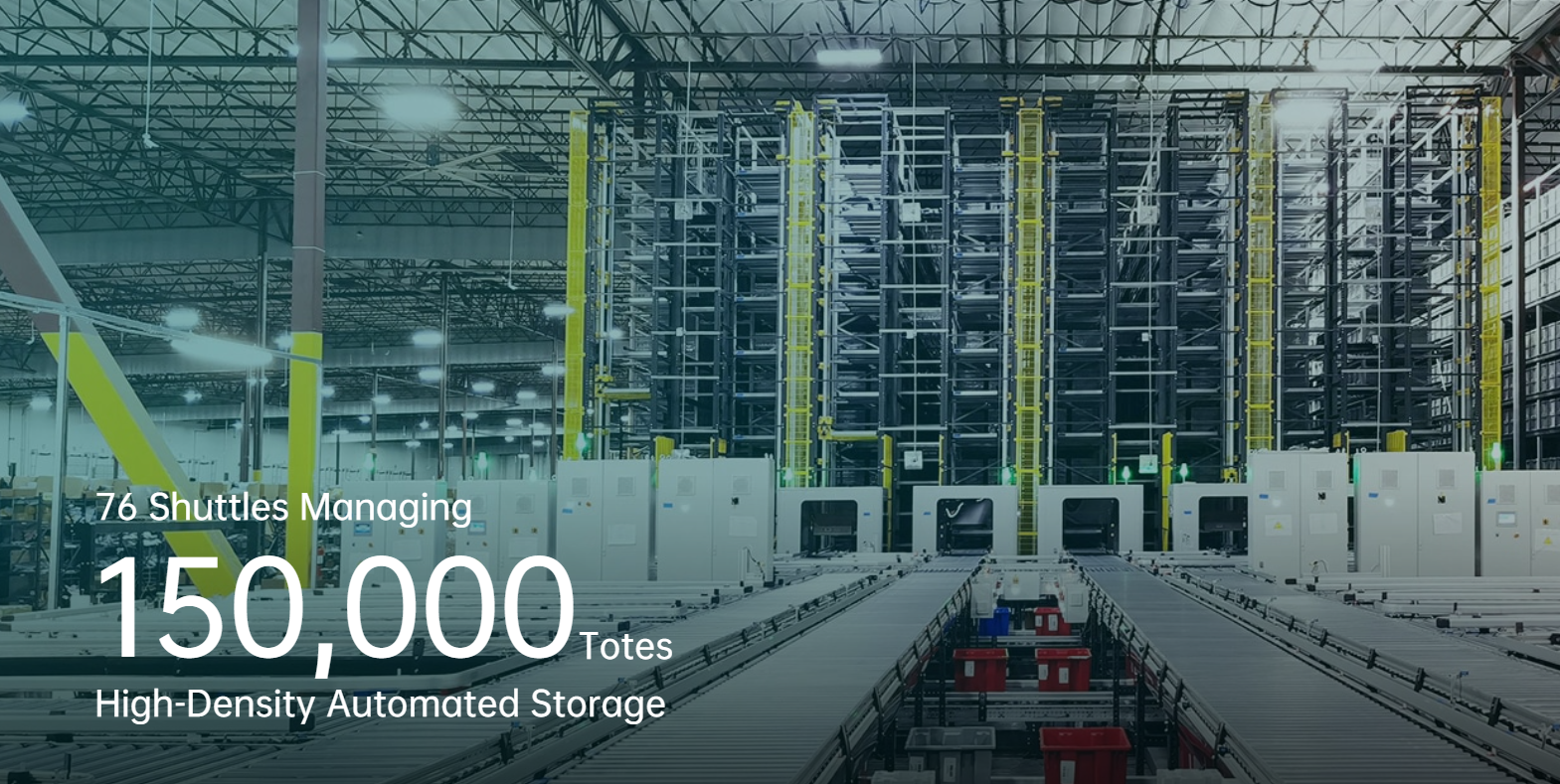
Warehouse managers wake up to two problems: shifting order profiles and staff who need systems that actually help them, not slow them down. That’s where a well-designed modular conveyor system steps in — it lets you mix belts, rollers, and automated lifts without rebuilding the whole floor. Early in the shift, operators often rely on an Automated Stacker Crane to move dense pallet loads; pairing that with flexible conveyors reduces waiting time at pick-and-drop points and smooths throughput.
How modular design translates to everyday wins
Users care about three things: fewer manual moves, predictable timelines, and equipment that won’t become a museum piece after a year. Modular conveyor lines let teams re-route flows in days, not weeks. Practical gains include faster conveyor transfer between zones, shorter cycle times for pallet shuttles, and clearer exclusion zones for safety. AS/RS components can be added later as volumes grow, so you don’t over-invest up front.
Real-life anchor: what happened when demand spiked
When e-commerce surged during 2020–2021, many fulfillment centers — including several Amazon facilities — reconfigured lanes on the fly to handle peak volumes. Those that used modular equipment cut the lead time for new configurations from months to a few days. This isn’t guesswork: teams reported more stable throughput and fewer overtime hours, which translated into measurable cost avoidance and happier floor staff.
Common implementation mistakes and how to avoid them
Teams often trip over the same three traps:
- Buying a one-size-fits-all system that can’t be reconfigured.
- Forgetting lifecycle costs: maintenance access, spare modules, documentation.
- Mismatching control logic between conveyors and cranes, which creates bottlenecks.
Fixes are straightforward. Specify modular interfaces up front, budget for spare modules, and test control handoffs in a scaled mock-up. Integrate your pallet handling solutions early in the specification phase so the stacker crane, conveyors, and software speak the same language from day one.
Practical checklist for selection
Pick equipment that answers these user-focused metrics:
- Reconfiguration time: how long to repurpose a lane or extend a line.
- Mean time to repair (MTTR) for common modules.
- Control compatibility: does PLC logic allow for quick mode shifts (pick, pack, bulk)?
Keep the checklist visible on the shop floor — it helps bridge the gap between engineering and operations.
Trade-offs, alternatives, and where BlueSword fits
Fixed conveyors are cheaper at purchase but costly when demand changes. Fully bespoke AS/RS delivers density but often requires long lead times. Modular systems sit in the middle: they offer near-fixed-system density with the flexibility to grow. Integrating an automated layer like a stacker crane or pallet shuttle increases storage density and reduces aisle traffic. You’ll choose based on volume variability, desired throughput, and the pace your business expects to change.
Three golden rules for evaluation
When you’re comparing vendors, apply these sharp metrics:
- Time-to-reconfigure: how many person-hours to alter a 10-meter run.
- Downtime footprint: number of modular swaps achievable without specialist tools.
- Integration scope: availability of native drivers for common warehouse control systems.
These rules keep decisions practical and reduce surprises during ramp-up.
Final thoughts and human payoff
Modular conveyors change the day-to-day: fewer hand carries, clearer workflows, less stress for operators. That’s where the value lands — on the shift schedule and the safety log. For teams that want incremental improvement without big disruptions, the right modular approach plus targeted automation provides both resilience and speed. Pair that with thoughtful controls and maintenance planning, and you get predictable improvements in warehouse productivity and worker satisfaction. BlueSword — practical system design that keeps the floor moving, not the paperwork. –