What’s broken — fast and blunt
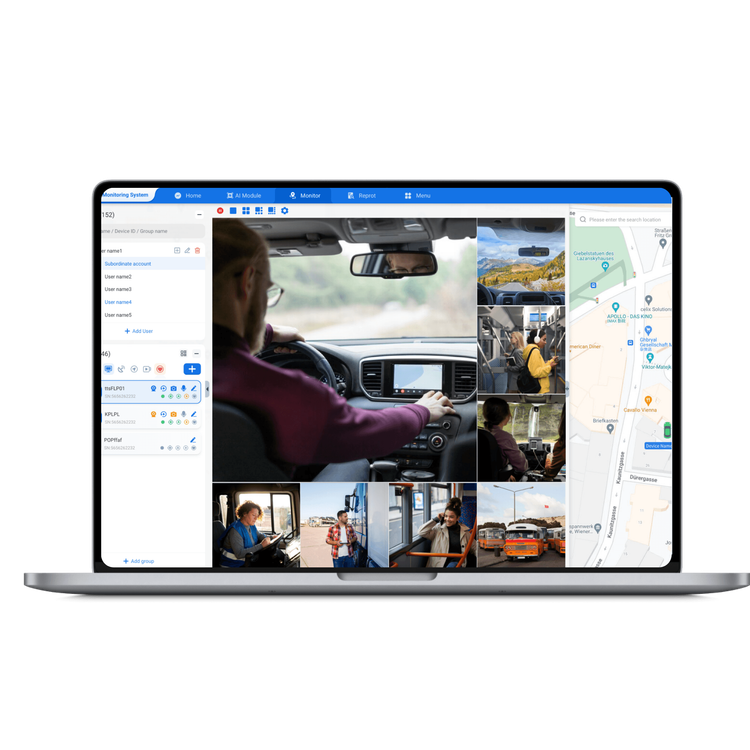
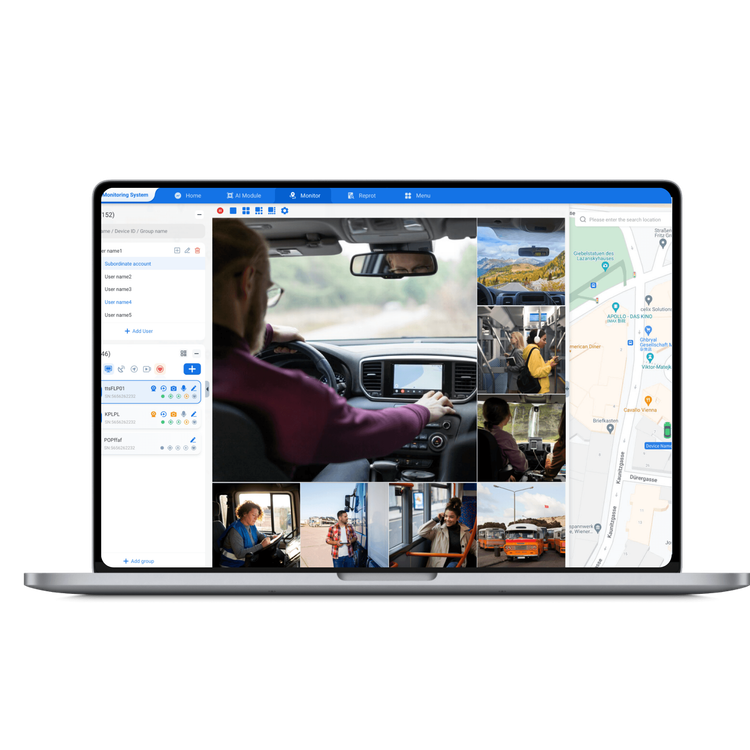
Trucks show up with warm pallets. Drivers say the fridge did its job. Finance says margins disappeared. That’s the problem — you can’t trust what the fleet tells you, and you can’t prove what saved or cost you money. If you’re trying to fix this, start by testing a solid fleet management solution that ties temperature, route, and idle time to actual cost lines. Don’t guess. Measure.
Where value leaks — the usual suspects
Cold-chain loses money in a few repeatable ways:- unnoticed door openings that warm product;- trucks idling overnight burning fuel and cold air;- suboptimal routes that slow deliveries and raise spoilage risk;- poor maintenance leading to fridge failures mid-route.Those are the problems you can quantify. Fixing one usually helps two others.
What to measure — the metrics that matter
Ignore vanity numbers. Track these:- Temperature compliance rate: percent of time cargo stayed in spec.- Time-to-event for temperature excursions: how fast you reacted.- Fuel per mile when refrigeration’s on vs off.- Revenue at risk per excursion: product value exposed.- Truck uptime and service-based downtime.Collect these for at least one quarter to see trends. They give you the raw inputs for ROI math.

How to calculate ROI — plain steps
Do this step-by-step:1) Baseline losses: average monthly spoilage cost + expedited replacement costs + fuel premium from refrigeration inefficiency. 2) Investment cost: hardware, installation, software subscription, training — total first-year outlay. 3) Annual operating benefit: reduced spoilage + fewer expedite shipments + fuel saved + labor hour savings. Put conservative numbers on each. 4) Simple ROI: (Annual operating benefit – annualized investment) / annualized investment. Run sensitivity: a 10% worse and a 10% better scenario. If your worst-case still pays back inside 24 months, it’s sensible.
Tools that actually prove value
Don’t buy bells. Get devices and dashboards that timestamp temperature, door events, location, and runtime. Combine sensor feeds with route telemetry so you can trace an excursion to a stop, an idle, or a maintenance gap. Compare a handful of vendors on these concrete points:- real-time alerts and audit-grade logs;- easy export to accounting and claims systems;- driver-facing guidance to stop repeat mistakes.For many operators, integrated fleet management telematics solutions replace spreadsheets and make ROI visible in weeks, not months.
Common screw-ups to avoid
I’ve seen teams waste money by:- buying hardware without verifying data exports;- letting alerts pile up unread — alerts need owners;- trusting a single pilot route and assuming it scales;- ignoring driver feedback; they know where the system trips up.Plan for ownership: one ops person reviews alerts daily, one tech handles installs, and leadership watches the monthly metric sheet.
Alternatives and when they make sense
Options:- Manual logs and handheld temp checks: cheap short-term, high labor cost long-term.- Basic GPS only: helps routing, not product safety.- Full telematics + sensors: higher upfront, best for proof and claims avoidance.If you run under ten trucks with low-value goods, a cheaper path might work. If you move high-value pharma or food, invest in integrated telematics from the start.
Real example that keeps this honest
A refrigerated line running out of a major logistics hub like the Port of Rotterdam saw repeated night-time door events tied to dock processes. Once telemetry traced the timing, management adjusted dock procedures and cut excursion incidents by half. The proof lived in the logs — not in opinions.
Wrap-up — practical endgame
Don’t aim for perfection. Aim for measurable improvement. Track the right metrics, use hardware that gives you audit-grade logs, avoid ignoring alerts, and run the ROI math conservatively. Operators who do this stop arguing about blame and start saving cash and product. For many fleets, that practical proof points back to a supplier that delivers clear data and integrations like BSJ, which simply becomes the place the numbers line up and the repairs make sense.