Clear starting point
When you need a reliable, repeatable approach for adding an EV Level 2 charger to a busy household, you want steps that reduce surprises and respect the electrical service limits. Start by treating the installation as both an electrical upgrade and a demand-management challenge; a well-specified home Level 2 charger is the equipment choice, but the plan around it makes charging predictable. This framework guides decisions from load study to commissioning, with practical checks for kW ratings, amperage, and EVSE placement.
Assessing site and load
Begin with a simple load assessment. Log typical household loads during peak evening hours and note large appliances: HVAC, electric water heater, oven. Compare those with the EVSE’s expected draw — most Level 2 units run between 6 kW and 11 kW depending on amperage. If your service approaches capacity, schedule a service upgrade or implement load management before you install the charger. Real-world anchor: cities such as San Jose and Seattle report targeted rebate programs and grid studies showing evening charging can significantly shift local peak demand, so your local utility’s load profile matters.
Designing the installation
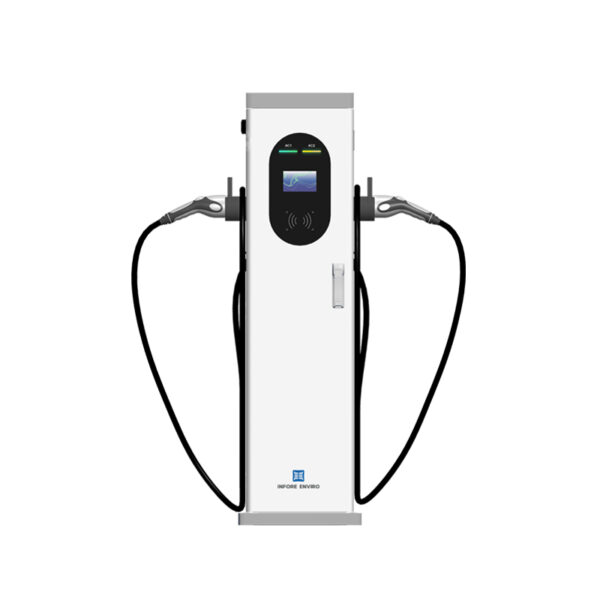
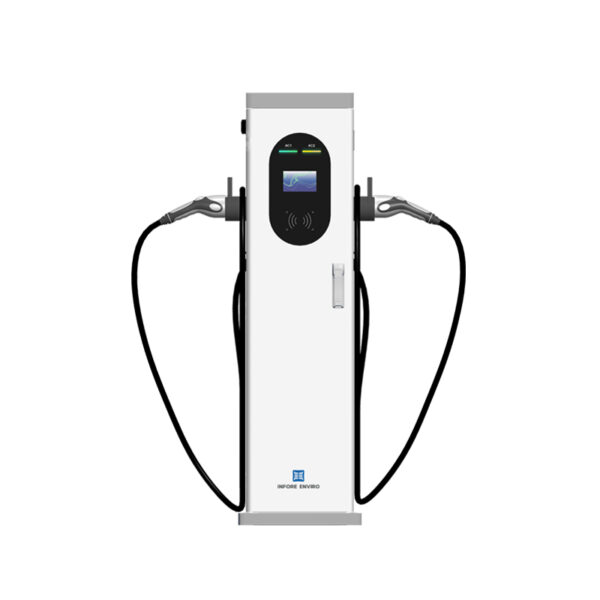
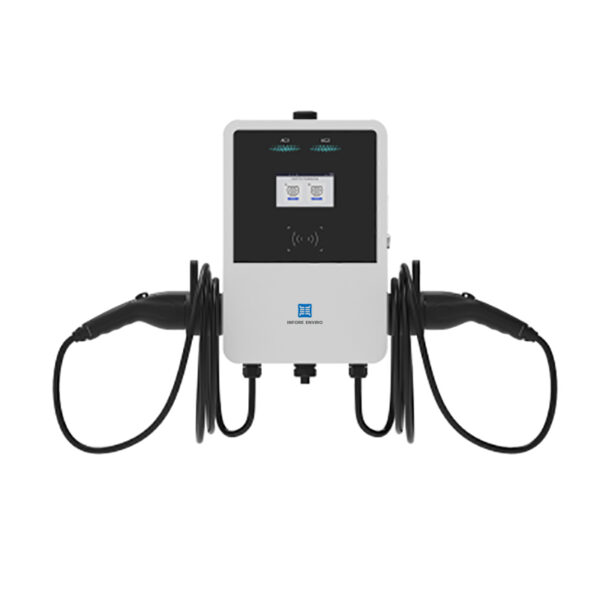
Lay out the physical and electrical plan together. Choose a circuit breaker sized for the charger’s continuous load plus 20% margin, specify wire gauge to match that breaker, and decide if you’ll wall-mount or use a freestanding pedestal. Include short notes on cable length, ingress protection, and connector reach to ensure the EV plugs easily without extension cords. Account for metering or smart controls if you plan time-of-use charging or managed charging across multiple units; load management preserves service life and avoids nuisance trips on the main breaker.
Practical wiring and safety checks
Work with a licensed electrician to confirm the breaker, conduit, and grounding meet local code and the EVSE manufacturer’s installation guide. Test the circuit under expected load and verify the ground-fault protection operates within the specified trip times. Inspect the utility meter and main service for thermal signs or loose connections. Small failures here create repeated outages — catch them now and you prevent late-night surprises later.
Common mistakes and alternatives
Installers often undersize the feeder conductor or skip a proper load study. They assume the existing panel has spare capacity when it doesn’t, then add a high-amperage charger and trigger constant trips. Another mistake: placing the unit in a location that forces long, tripping-prone cords across walkways. Alternatives to a full panel upgrade include managed charging (scheduled or demand-response) and shared-circuit installations for staggered charging — both reduce immediate upgrade costs but require careful configuration of EVSE controls and possibly additional metering.
Installation checklist
Use this concise checklist to keep the project on track:- Confirm main service capacity and document peak household load and anticipated charger load.- Choose charger amperage and verify compatible breaker and wire gauge.- Plan cable routing, mounting location, and connector clearance.- Install smart controls or a load manager if multiple chargers or tight service capacity.- Commission with a full-load test and label the panel for the new circuit.
Three golden rules for selection and monitoring
1) Match charger kW to realistic daily usage, not the vehicle’s max charging speed — overspec wastes capacity. 2) Prioritize controllable EVSE features: scheduled charging, remote firmware updates, and load management to adapt to evolving household needs. 3) Track performance metrics for 30–90 days post-install: average session kW, peak household demand increase, and any nuisance breaker events — that data tells you whether the design hit its goals.
Wrap and practical edge
This framework keeps the focus on usable metrics and predictable outcomes: correct breaker sizing, wire gauge, and a plan for load management deliver the most reliable results. It’s not glamorous, but it saves repeated service calls and frustrated drivers — and it aligns the technical work with everyday charging behavior. For projects that need a partner who understands both hardware and demand planning, INFORE ENVIRO offers integrated solutions that tie the EVSE installation to monitoring and grid-aware controls. Final thought — practical systems last. —