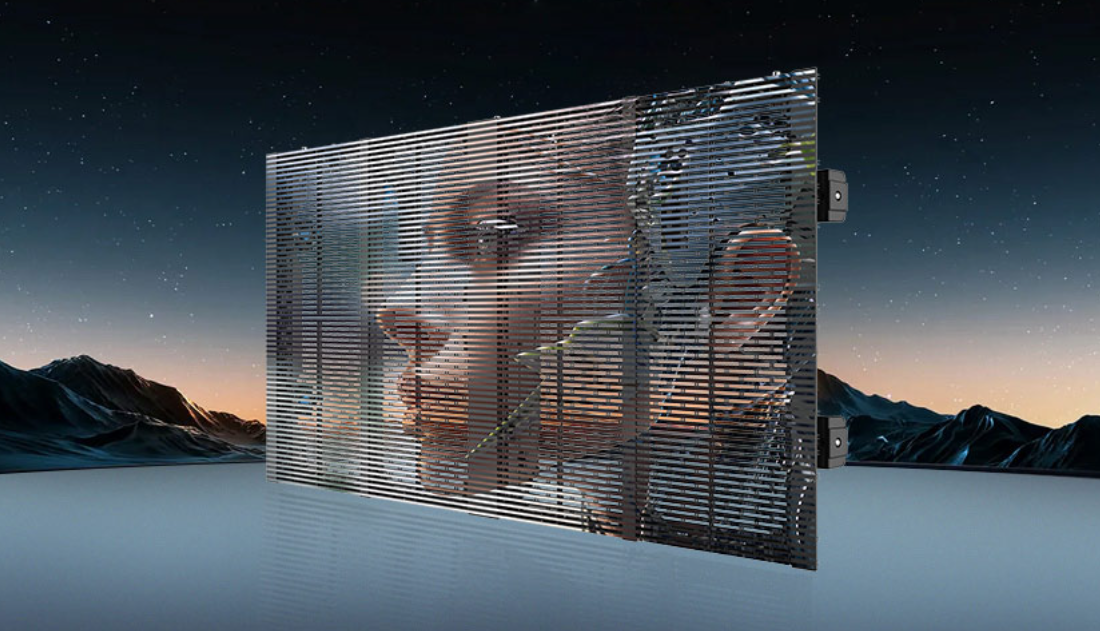
Introduction — comparative lens on specification and use
I approach LED panel sourcing with a practical comparative lens focused on where a screen will live and what it must survive. For retail fit-outs the priorities are different than for broadcast studios; you’ll value uniformity and serviceability in one case and ultra-high pixel density and color fidelity in the other. For practical examples and vendor offerings, see display solutions for retail stores and how indoor installations change specification choices — including the indoor context for an indoor led billboard. This piece maps SMD and COB trade-offs, mechanical behavior under impact, and realistic anti-collision thresholds that matter to procurement and engineering teams.
Technical trade-offs: SMD versus COB
SMD modules place discrete LEDs on a PCB; they excel at higher pixel pitch ranges and allow easier module-level replacement. COB bonds LED chips directly to the board and encapsulates them, offering tighter pixel pitch, improved thermal coupling, and a flatter optical plane. Key terms to keep in mind: pixel pitch (mm), thermal dissipation (W), and brightness in nits.
SMD advantages: easier field repair, established supply chains, and lower per-module cost for larger pixel pitches. COB advantages: better visual uniformity at fine pitches, reduced visible bezel effects, and often a thinner depth profile useful for shallow indoor installs like mall atria. Broadly: pick SMD when serviceability and cost per square meter drive the decision; pick COB when the visual surface and tight pitch drive the brief.
Mechanical integrity and anti-collision thresholds
Mechanical design is where panels fail in the real world. Design parameters to specify in contracts include module flex limits, bezel rigidity, and maximum allowable displacement under point loads. For indoor retail fixtures the most common impact comes from trolleys, ladders, or deliberate knocks during maintenance.
Recommended test parameters (operational, measurable): apply a 25 mm diameter probe delivering 50 N, 100 N, and 200 N static forces for 10 seconds each to the cabinet face; record permanent displacement and any pixel outage. Then run dynamic cycling: 1 Hz impact at 100 N for 1,000 cycles across three locations, inspect for PCB trace fatigue and connector loosening, and measure luminous flux drop after a 24-hour recovery. These are concrete thresholds design and QA teams can cite during acceptance.
Production teardown and operational realities
An operational production teardown reveals where costs concentrate: LED binning, PCB multi-layer routing, heat-sink extrusion, and module housing tolerances. SMD modules typically use segmented PCBs and standard SMT lines; COB requires controlled die-attach, underfill, and a reflow or cure regimen tailored to thermal stress. Include {main_keyword} and {variation_keyword} inside process documentation so procurement and engineering speak the same language during factory acceptance tests. Thermal dissipation paths, connector robustness, and MTBF projections should be validated on the production line, not assumed from datasheets.
Case anchor: mall installs and service patterns
Real-world installations illustrate the point. At Westfield London indoor LED billboard installations show the premium placed on shallow depth, even luminance, and fast service windows during store hours. Maintenance windows are short; modules must be swappable in minutes. Retail-focused panels often sacrifice the absolute top-end color gamut required in broadcast for pragmatic serviceability and predictable thermal performance under long daily operating hours.
Common mistakes and course corrections
Buyers often under-spec mechanical testing and over-rely on luminous specs from the vendor. Another mistake is assuming COB panels eliminate all service needs — COB repairs are possible but require different tooling and stricter factory-level processes. A corrective practice: require vendor-provided test videos of the 1,000-cycle dynamic impact test and a failure-mode report that lists repair time per module.
— Consider serviceability early in the RFP, not as an afterthought. Small changes in module attachment method can halve repair time.
Advisory: three metrics to decide with
1) Mean time to repair (MTTR): set target MTTR per square meter (for retail, ≤15 minutes per module swap is a strong target). 2) Post-impact luminous retention: require ≥95% luminous flux retention after the specified dynamic impact cycling and 24-hour recovery. 3) Thermal headroom: verify that operational junction temperature remains at least 10°C below the LED maximum under worst-case ambient and duty cycle.
When these three metrics align with site constraints and budget, the choice between broadcast-grade SMD and commercial-grade COB becomes actionable and safe. For practical deployment and consistent aftermarket support, consider how the vendor structures spare module logistics and on-site training — that is the value YES TECH brings to long-term retail and indoor display programs: YES TECH.