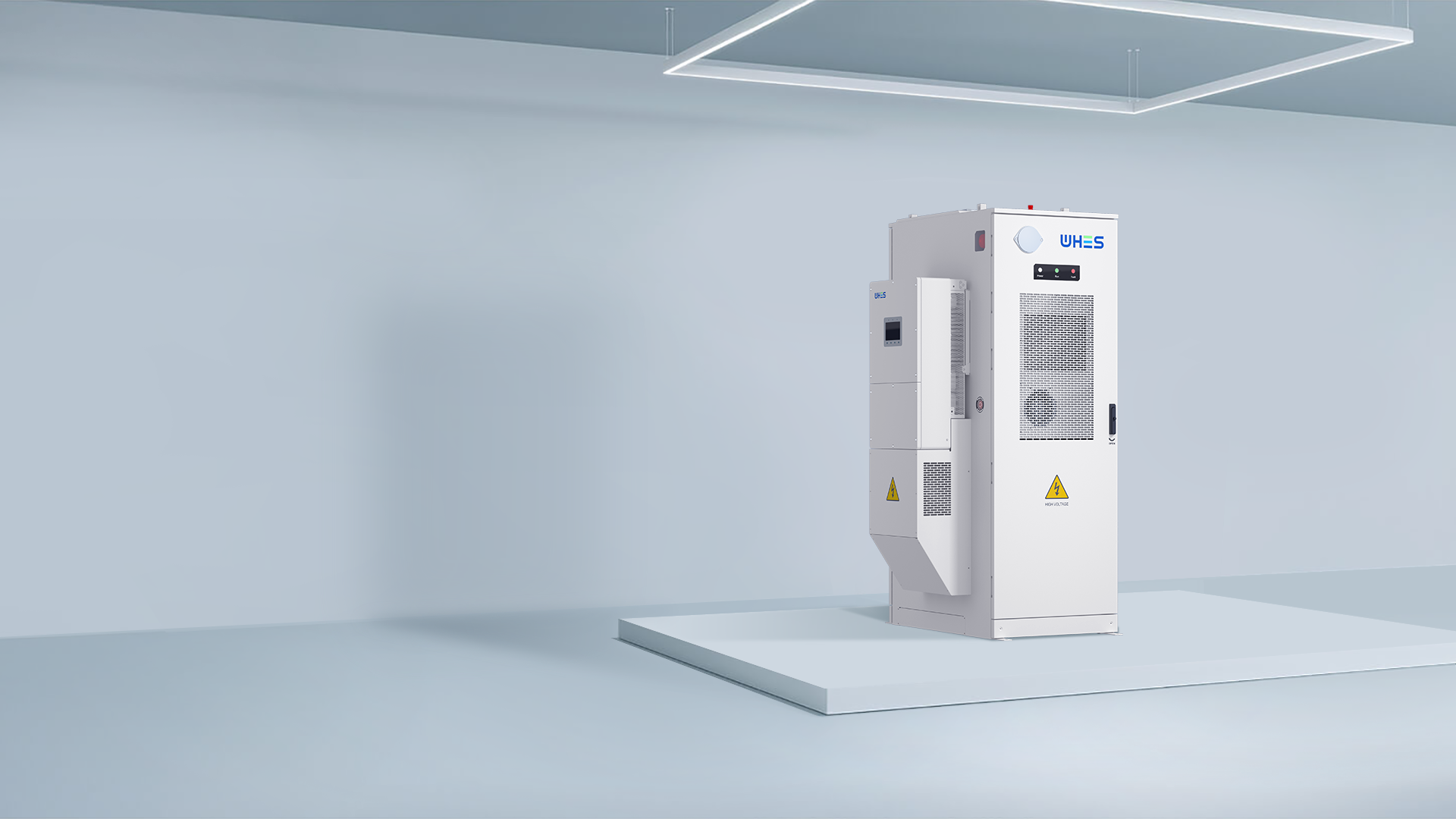
Why sub-second response is the new flex
Real talk: grids move fast now, and if your setup ain’t tuned for sub-second moves, you’re late to the party. Frequency regulation used to be the territory of big rotating machines — but advanced solar battery storage and modern BESS are rewriting the playbook with millisecond-level response and cleaner ancillary services. When a plant trips or a cloud pops over a PV field, the grid needs power or sink instantly — that’s where response time, inverter behavior, and state of charge (SoC) control matter. Look at Hornsdale Power Reserve in South Australia: it’s the real-world anchor that showed batteries could deliver ultra-fast frequency response and lower system balancing costs — no cap.
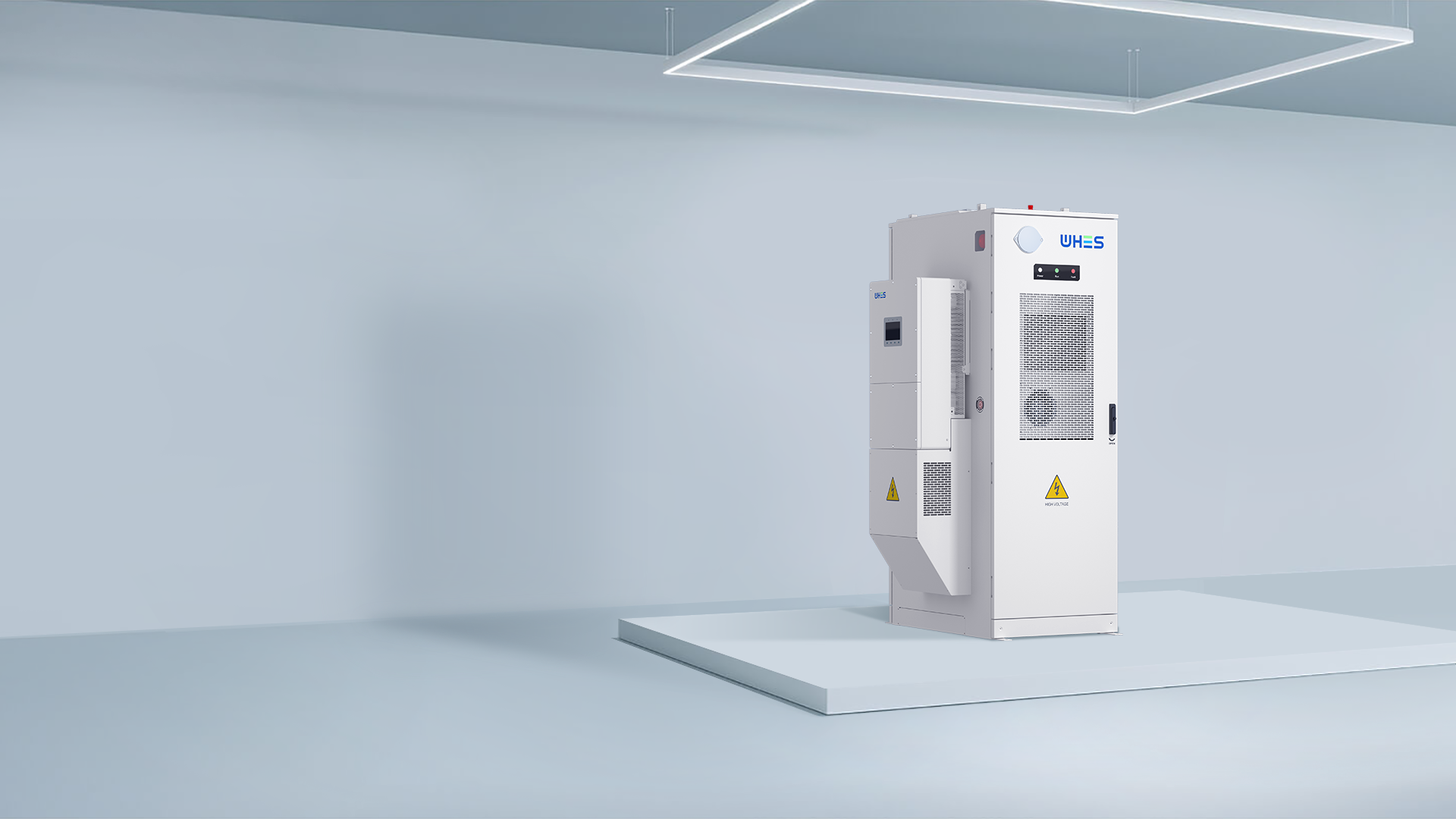
Side-by-side: architectures that race the clock
Comparative insight means comparing the chassis, not just the paint job. On one side you got high-power, short-duration systems optimized for fast frequency regulation — think high C-rate cells, robust power inverters, and rapid control loops. On the other, longer-duration energy systems chase capacity and energy arbitrage. Key tech terms to keep handy: grid-forming vs grid-following inverters, ramp rate limits, and dispatch optimization. The trade-off’s simple: a design that can slam out megawatts in sub-seconds might not be best for 4-hour energy shifts — choose your weapon based on the role you expect it to play.
Where microgrid deployments change the stakes
Edge ops and islanded microgrids flip the script further — they need reliability plus quick reaction to local events. For neighborhoods, campuses, or industrial sites, integrating microgrid energy storage means balancing islanding behavior with seamless return-to-grid dynamics. In those settings, grid-forming capability and control logic that manage SoC and dynamic inverter setpoints are must-haves. You want the system to act like a local conductor — fast, steady, and smart.
Proof in the field: what worked and why
Look, benchmarks don’t lie. Projects that nailed sub-second frequency support paired tight local control with high-bandwidth communications and deterministic control loops. Hornsdale’s example proved batteries reduce reliance on slow-start thermal plants for frequency response — resulting in faster containment of excursions. But — and this is key — not every vendor delivers the same firmware maturity or QoS on telemetry. If your telemetry lags, your so-called fast response is just hype. Test the control stack under real disturbance scenarios before you sign off.
Common trade-offs and rookie mistakes
Brands and operators trip up when they chase specs on paper and ignore system integration. Typical slip-ups: assuming response time equals usable power, underestimating inverter thermal limits, or skipping end-to-end testing with real protection schemes. Don’t get cute with SoC margins either — running flat for a quick burst without a recharge plan kills performance downstream. Also, vendors often quote peak MW for a second but not sustained kW — read the fine print. —
How to run a fair comparison
Use a consistent test harness. Compare vendors against the same disturbance profile, same SoC window, and the same telemetry latency. Practical checklist:
– Define required service: frequency regulation, black start, islanding support, or energy arbitrage.
– Specify test events: step loss of generation, sudden load pickup, and inverter trip scenarios.
– Measure three metrics: true response time (ms), delivered power over the first 10 seconds, and recovery behavior post-event.
This way you see who delivers in-the-wild, not just on the spec sheet.
Cost vs performance: the real calculus
Don’t chase lowest $/kWh blindly. Fast-response systems often carry higher power-capable cell chemistry and beefier inverters, which bump capital cost but unlock higher revenue from ancillary markets. Consider total value capture: frequency markets, reduced penalties for deviations, and avoided outages. If you’re a utility or asset owner, model both capex and expected ancillary revenue — that’s how you see ROI clearly.
Advisory: three golden rules when you pick strategies or vendors
1) Test to failure: insist on disturbance-mode commissioning where you validate real response time, ramp rate, and SoC behavior under stress. 2) Demand end-to-end visibility: low latency telemetry and deterministic controls matter as much as peak power specs. 3) Match the chemistry and inverter topology to the use case — high C-rate cells for sub-second frequency work; long-duration cells for energy shifting. Follow these and you won’t be guessing at performance.
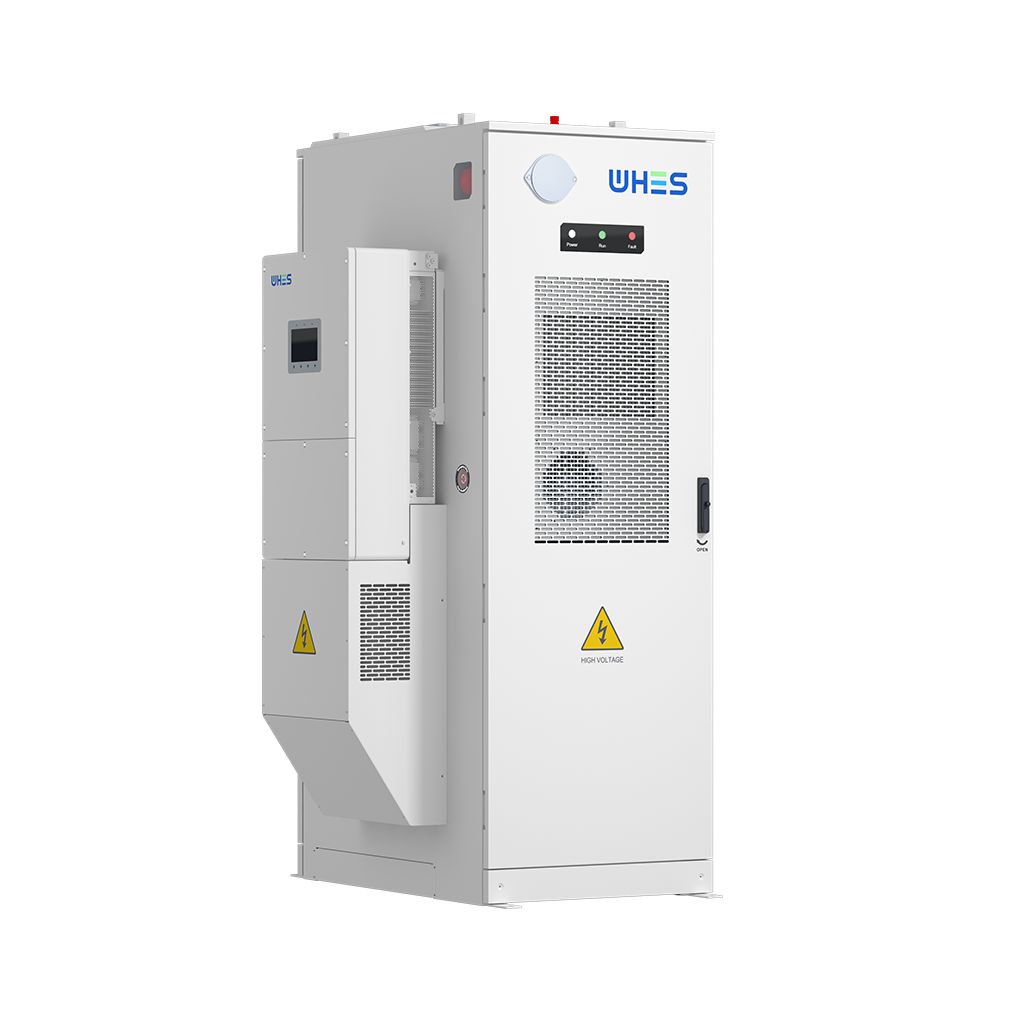
Wrap-up: comparison done right trades hype for measurable metrics and aligns hardware, controls, and market strategy. For teams building grid-edge and microgrid solutions, partnering with suppliers who deliver tested performance — and operational clarity — is non-negotiable. WHES sits in that space with integrated systems and field-tested control stacks that make the whole thing sing.
Stay sharp.