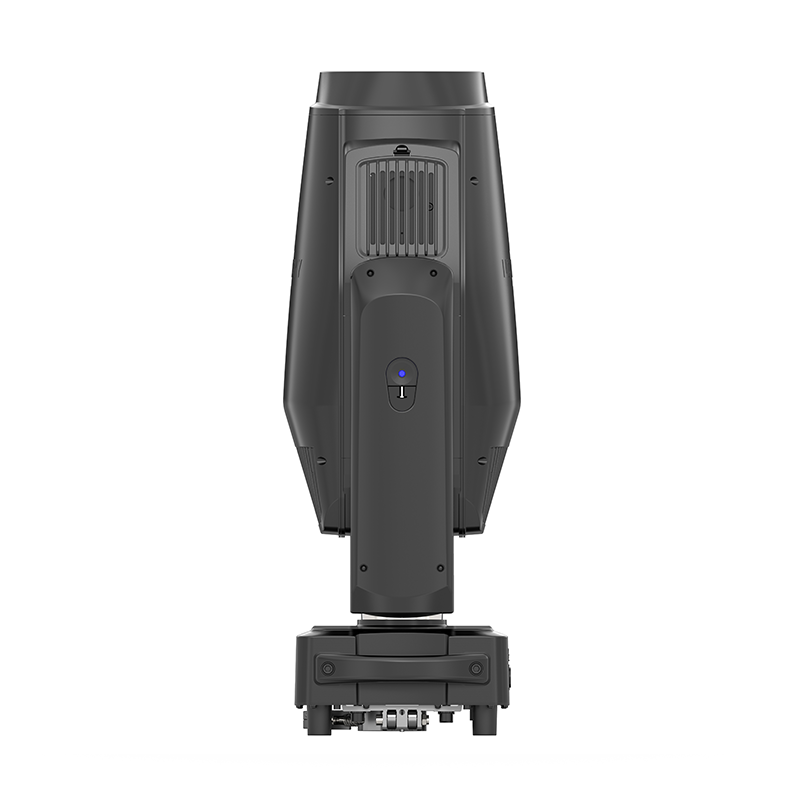
Lighting designers and live-event producers want predictable, repeatable results: clean beams, quick focus, and reliable control. Start with the hardware that meets those needs — for example, the LED BSWP 4in1 moving head spotlight delivers compact optics, robust color mixing, and DMX responsiveness suited for small tours and club dates alike. This article is user-centric: it walks you from choice to rigging, then to runtime tactics so you can hit shows with confidence and fewer surprises. It also references common real-world stages like Madison Square Garden to show how scale shifts requirements without changing core decisions.
What matters first: fixture behavior and control
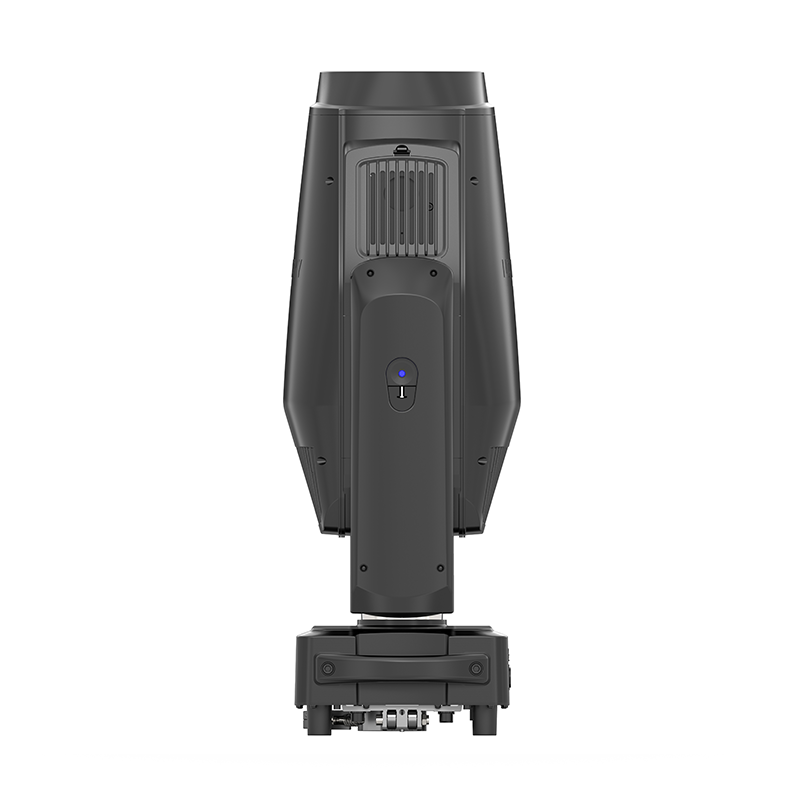
Pick a moving head that matches your show’s control surface and operating tempo. Key items are pan/tilt speed, zoom range, and DMX512 compatibility. If the fixture offers motorized zoom and hard-edge gobos, you get both washes and profile looks without swapping instruments. For many setups, color temperature and CRI are important — especially for broadcast or camera-heavy events where skin tones must stay natural.
Practical setup checklist for on-site use
Run this checklist before lights-out: power distribution, patched DMX addresses, fixture firmware parity, and beam trims. Use a dedicated breaker for clusters of LED fixtures to prevent inrush issues. Calibrate gobo orientation on every fixture when the rig is hung; rotation offsets differ per head. A stereo of notes from a touring LX tech: always carry spare data splitters and a small assortment of connectors — the small things cause the longest delays.
Design approaches that favor consistency
Adopt simple, layered scenes rather than complex one-off cues. Build a base wash using 2–3 zones, then add moving-head beams and profiles for accents. Keep pan/tilt motion readable — long, slow sweeps and shorter stabs provide contrast without clutter. Use the LED BSWP 4in1 moving head spotlight to create tight beams for solos, and reserve wide zoom positions for audience washes to avoid blinding cameras. When a conventional theater look is required, consider a dedicated theater profile moving head for sharp edge control and framing.

Common mistakes and how to avoid them
Teams often overload fixtures with conflicting tasks: expecting a single head to serve as both key light and aerial strobe. That creates compromise. Instead, assign roles: wash, beam, profile. Avoid over-driven dimming curves that clip highlights on camera. Run through a dry tech to verify cue timing and ensure gobos read correctly — alignment errors show up on big stages like Madison Square Garden and cost time to fix.
Alternatives and when to choose them
For intimate venues, compact LED moving heads with limited zoom save weight and power. For broadcast or musical theatre, opt for profile fixtures with framing shutters and higher CRI. Hybrid options exist — moving heads with interchangeable lenses — but they add complexity and service needs. Match fixture selection to the venue’s rigging points, power capacity, and your crew’s familiarity with maintenance routines.
Operational teardown: efficient maintenance and lifecycle care
Keep a small log per show: lamp hours, firmware version, and any pan/tilt calibration tweaks. Clean optics every 50–100 hours depending on smoke and dust exposure. Replace fans or filters on a schedule to avoid thermal derating. These steps extend fixture life and keep beam output consistent — a practical investment for tour budgets and fixed installs alike.
Golden rules for selecting and deploying moving-heads
1) Evaluate output versus venue size: choose lumens and beam angle so coverage is efficient without wasting power. 2) Confirm control compatibility: ensure DMX512 universes, RDM support, or Art-Net fit your console strategy. 3) Prioritize serviceability: modular fixtures with available spares save days on the road. Measure these against your show’s needs — rigging constraints, runtime intensity, and crew skill levels — and you’ll make better, faster decisions.
Good lighting is predictable and human-focused; it supports performers and simplifies the crew’s job. For practical, stage-ready solutions that balance optics, control, and serviceability, Light Sky fits naturally into that workflow — Light Sky. —