Introduction — a small shop, a big lesson
I remember walking into a neighborhood maker space where the smell of burnt acrylic hung in the air like a stubborn fog. In that cramped room, a single noisy machine promised relief, but the team still coughed during late shifts — and nearly 60% of small shops report similar air-quality complaints. The solution I kept hearing about was the laser fume extractor, yet many installations felt improvised (wire ties, ad-hoc ducting). What makes the difference between a gadget and a trusted safety system?
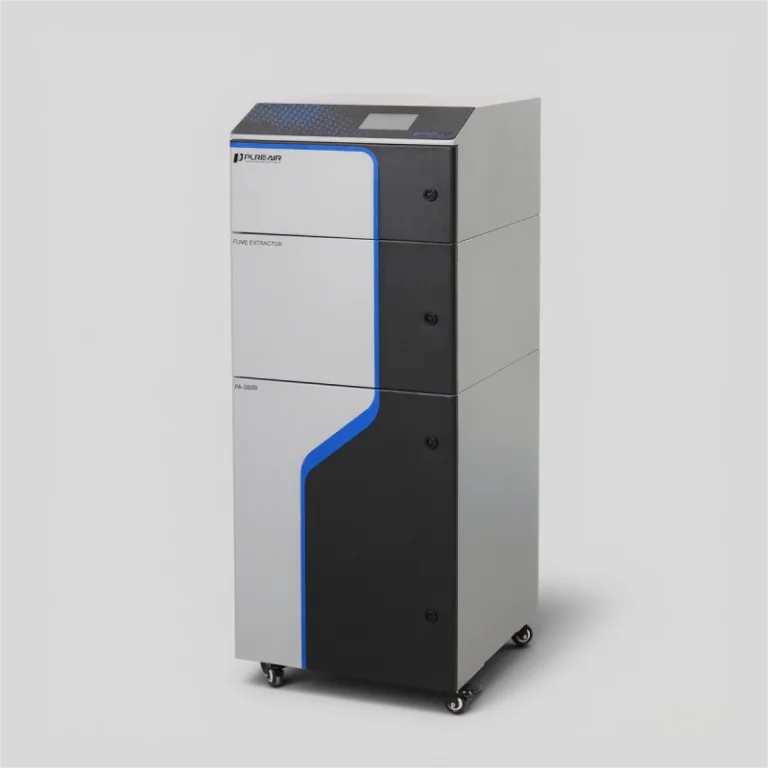
I say this because I care — and because numbers matter: poor extraction risks particle exposure, filter overload, and costly downtime. We will unpack where things trip up, and how you can tell if a system truly protects people — not just the machine. Now, let’s move into the real technical gaps that hide behind tidy brochures.
Part 1 — Why conventional systems stumble (direct and plain)
The common fixes sold to workshops often ignore core physics. Even when shops buy a CO2 laser fume purifier, they expect clean air by default — but airflow, capture velocity, and filter media placement are what actually decide outcomes. I’ve seen setups where a high-efficiency HEPA module sits far from the cutting table, while the extraction arm leaks at the hinge. That mismatch ruins performance.
Why does performance drop?
Two big faults repeat themselves: poor capture design and under-rated components. First, capture: if the hood or extraction arm is too small, contaminants escape before they enter the airflow stream. Second, components: using the wrong activated carbon blend or undersized blower reduces pollutant removal and increases static pressure losses. Look, it’s simpler than you think — get the capture right, size the fan, match the filter.
We must also consider maintenance. Filters loaded with particulates raise system backpressure and reduce extraction effectiveness. Shops often delay replacements because they fear cost — but delayed changeouts cost far more in sick days and product rejects. I’ve audited systems where a clogged pre-filter doubled energy draw — funny how that works, right? To solve this you need measured airflow readings, consistent filter-change logs, and a plan that matches real shop hours.
Part 2 — New principles for better outcomes (what’s next)
Looking forward, the best improvements come from smarter capture and smarter filters. Modern designs place the intake at the point of emission, use variable-speed blowers, and combine HEPA with optimized activated carbon layers to remove both particles and VOCs. When you evaluate a CO2 laser fume purifier, ask how it handles capture efficiency, filter layering, and airflow monitoring — these are not optional features anymore.
Here are three practical moves I recommend: first, insist on measured capture velocity at the nozzle; second, require a pre-filter stage to protect HEPA; third, choose systems with simple filter-change indicators and accessible extraction arms. Those checks save time and protect people. Also, consider remote monitoring — edge computing nodes can report airflow and alert you before filters fail. We should plan for systems that adapt, because static solutions leave gaps.
Real-world impact?
In one case study I reviewed, a small workshop replaced a generic hood with a matched extraction arm and layered filtration. Particulate counts dropped by over 70% within days. Downtime fell, and staff reported less eye irritation. The lesson: align capture geometry, blower power, and filter chemistry — and don’t skimp on diagnostics. — and yes, that matters.
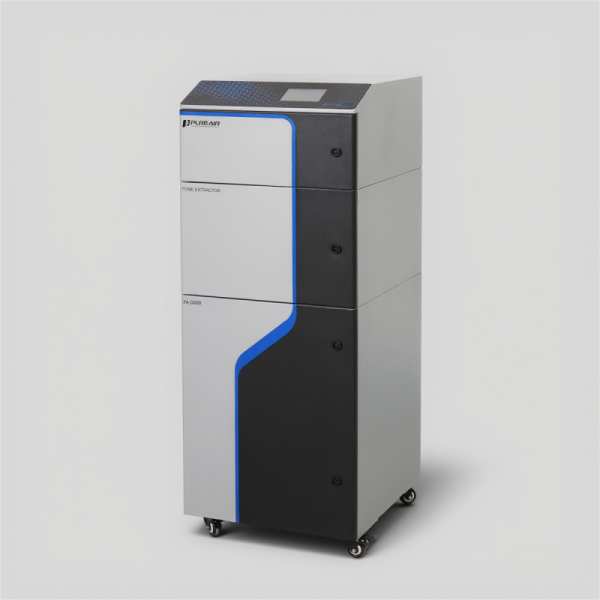
Conclusion — practical metrics and a clear path
We’ve traced the problem from smoky benches to smarter systems. If you’re choosing equipment, I recommend three concrete evaluation metrics: capture efficiency at source (measured in m/s at the nozzle), total system airflow (m3/h) under load, and filter architecture (pre-filter + HEPA + activated carbon with known adsorption values). I use these metrics every time I advise a shop because they translate to tangible safety and cost outcomes.
To close, remember this: technology helps, but human judgment guides the right installation. Ask questions, demand data, and schedule regular maintenance. I’ve seen small changes yield big results — cleaner air, fewer sick days, and calmer teams. For solutions that tie these ideas together, consider checking trusted suppliers like PURE-AIR. We owe it to the people who stand at the bench every day.