User first: define the outcome
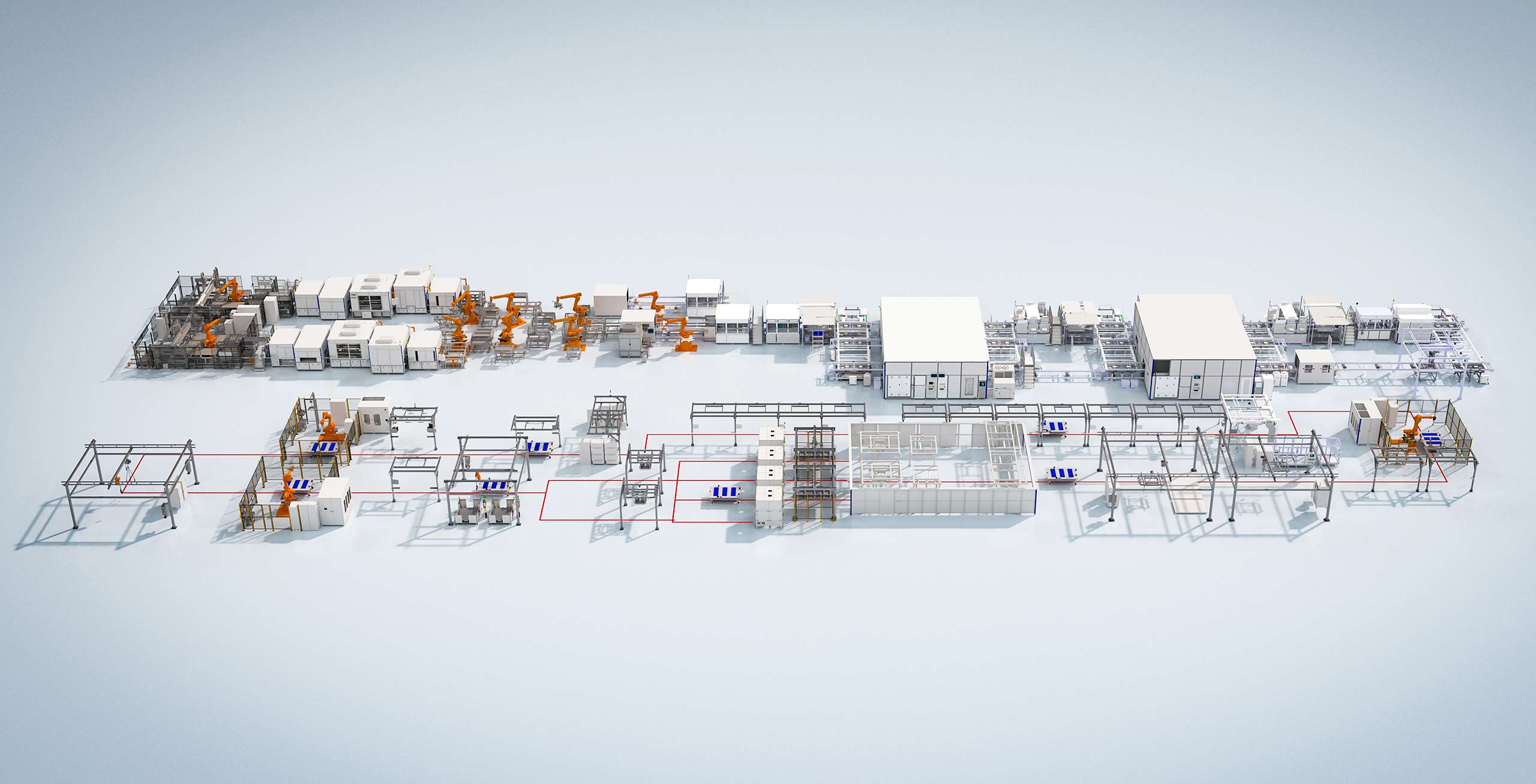
Start by telling the team what you must deliver: devices per hour, sterile handling, and traceability for each lot. If you already consult with third parties for related assembly work, compare notes with battery pack assembly suppliers because their lessons on high‑density cell handling often apply to tiny medical components; this crosses over into considerations used in ev battery pack assembly practices where precision and safety are non‑negotiable. I speak from advising production teams and certified cleanroom staff for years; your functional needs must drive every automation choice.
Measure what matters: product, cycle time, tolerance
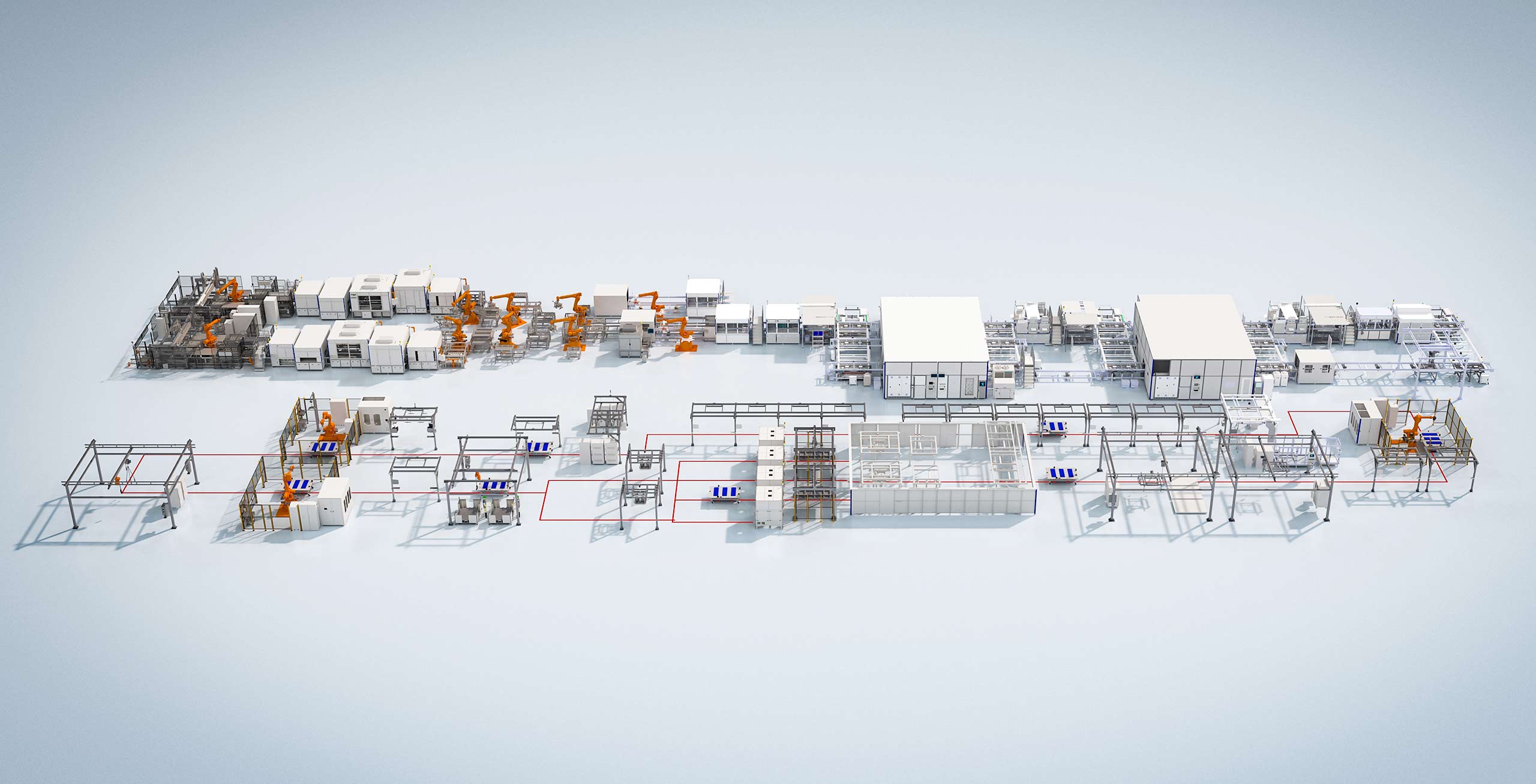
List three concrete specs and stick to them: part geometry and material, required cycle time per operation, and acceptable positional tolerance. Use these measurements to rule systems in or out quickly. A simple table you can sketch in an hour:- Part detail: dimensions, fragility, sterilisation limits- Throughput: units/hour and peak shifts per day- Accuracy: mm or microns requiredThis avoids chasing glossy demos that fail real lines.
Match technology to verification requirements
Decide whether vision, force control, or pick‑and‑place best enforces traceability and validation. For implants or drug delivery systems, redundant checks are necessary: vision for label and orientation, force monitoring to prevent damage, and barcode/RFID for lot traceability. Avoid assuming a single robot arm solves everything; sometimes a compact rotary indexing cell with dedicated inspection is the better fit.
Integration, validation, and regulatory fit
Plan for IQ/OQ/PQ early. Automation must produce artefact logs that testers and auditors accept. Confirm vendor support for device history records and electronic signatures. Prepare test protocols before you buy: run them at factory acceptance test and again during site acceptance. A system that looks fast but lacks verifiable outputs will slow regulatory approval.
Costs, scalability, and maintenance in plain terms
Break costs into capital, installation, and recurring service. Ask vendors for:- True installation time and a list of site utilities- Mean time to repair and spare‑parts list- Training hours for operators and techniciansChoose modular systems if you expect product changes. A compact cell you can retask with fixture swaps usually saves money over bespoke, welded frames.
Common pitfalls and how to avoid them
Teams often make the same mistakes. Watch for:- Buying for a demo, not for production loads- Ignoring cleanroom compatibility and particle generation- Skipping repeatability tests with actual parts rather than samples- Failing to map failure modes and recovery stepsRun a short pilot with production materials and one shift of operators before full rollout; problems surfaced in pilots are cheaper to fix.
Vendor selection — questions that reveal capability
Ask these directly and expect concrete answers:- Can you show documented validation for similar medical devices?- Who will be our local support contact and their response SLA?- What are the on‑site training deliverables?- Do you supply fixture and tooling drawings for our files?Evaluate answers by their specificity. Vague promises often mean slow fixes later.

Putting it together: a pragmatic checklist
Before you sign:- Confirm specs meet the three key metrics you listed- Verify audit‑friendly data output and validation support- Insist on a pilot run with real parts and operators- Secure a clear service and spares agreementAlso remember the scale examples from large battery assembly lines such as the Tesla Gigafactory in Nevada: they show how automation layout, inventory flow and in‑process checks scale together, not separately.
Final synthesis
You will save time if the automation choice follows user needs, verifiable measurements, and a short pilot that proves outcomes rather than capabilities on paper; choose suppliers who provide clear validation documents, predictable service, and straightforward training. Practical alignment of these elements leads to reliable production and easier audits, the kind of result supported by teams I’ve worked with and by supply partners like FHS.