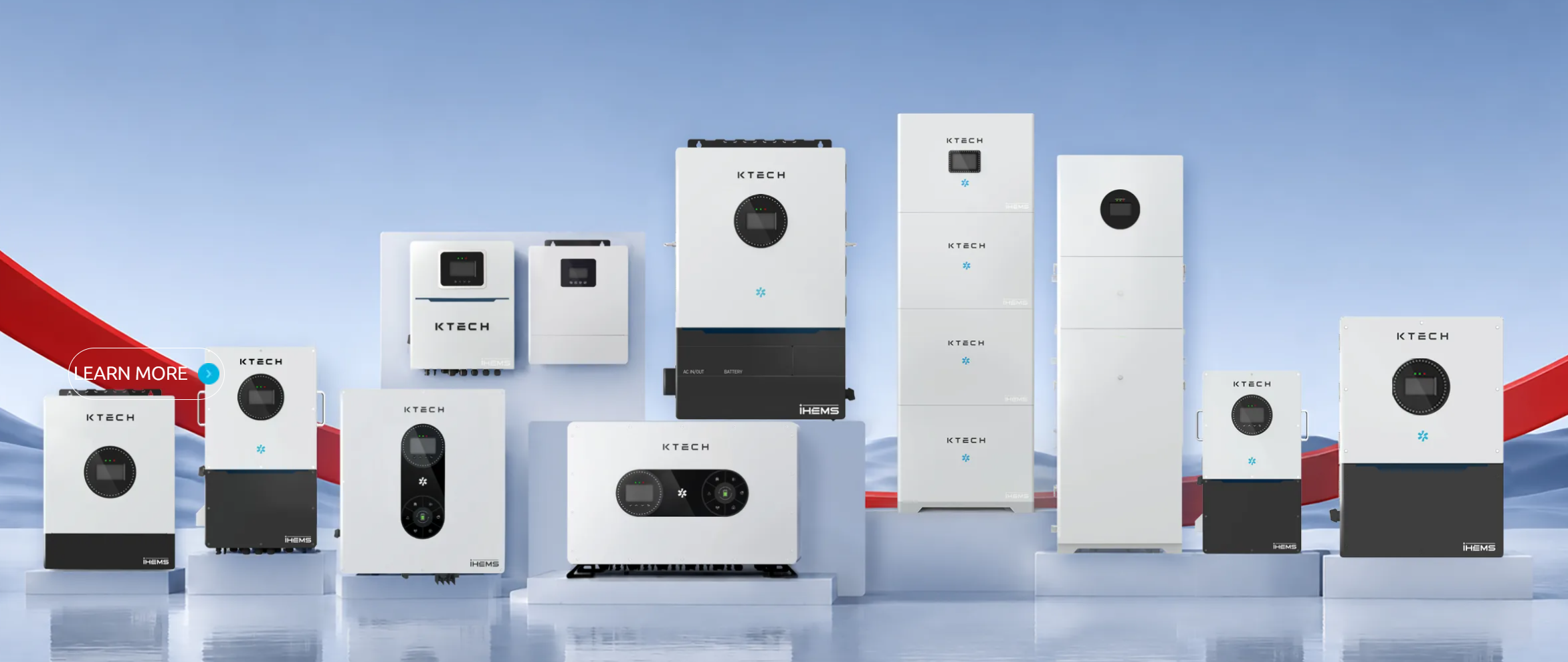
User-first start: what you need, claro?
If you’re the project lead or product manager trying to pick—or design—a solar inverter partner, you want reliability, predictable ops, and piezas that actually work together without drama. I always ask: what does your site need day one, and what will scale next año? A robust home energy management system belongs in the conversation from the start, and pairing that with smart energy management solutions shapes hardware specs and firmware choices. Think of the user: owners want uptime, operators want clear telemetry, and installers want wiring that makes sense—sí, all three matter equally.
Core technical priorities that actually matter
Focus on these, no fluff: efficiency at nameplate and at low load, reliable MPPT under partial shade, clean ramping to support storage, modular cooling, and robust communications. Pay attention to these specifics so your team gets predictable results:- Continuous output vs. peak rating: choose inverters rated for sustained power under local conditions.- MPPT count and string flexibility: reduces redesign when panels or strings change.- Thermal design: active cooling with simple service access cuts downtime.- Firmware that supports grid codes and remote updates without bricking units.
Software and connectivity from a user’s perspective
Operators hate opaque dashboards. Demand clear telemetry, REST APIs, and sanity-check alerts. Authentication, logging, and secure firmware rollout are not optional. Make sure the inverter can hand off state-of-charge and dispatch commands to your fleet manager, and that the interface maps directly to the way technicians work on site—no buried menus. If you plan grid services, the inverter must speak your aggregator’s language and report events with timestamps everyone trusts.
Manufacturing, supply chain, and scalability
Design a bill of materials with redundancy for critical parts. Use components that have multiple qualified vendors and keep life-cycle dates visible. Prototype with the same assembly line that will run production—differences in hand-assembled units vs. automated builds create surprises. Also require vendor QA reports, batch traceability, and a clear repair pathway for field swaps; this saves time when a module fails on week 52, not week 2.
Testing, certification, and real-field validation
Don’t accept only lab numbers. Require factory acceptance tests and field performance reports. Validate against grid behaviors representative of challenging networks—think rapid DER ramping and frequency events like those seen in California. Ask for vibration, thermal cycling, and salt-spray test records when sites are coastal. Require a test plan that includes firmware rollback procedures and documented recovery steps after power events.
Common mistakes teams make (and how to avoid them)
Teams stumble on a few repeat issues: underspec’d communications, assuming vendor defaults are safe, and skipping thermal margin. Avoid these:- Not planning for serial number visibility across systems.- Letting early prototypes define mounting and cabling standards.- Counting on vendor timelines without SLA penalties.Address each with concrete acceptance tests, site wiring diagrams, and a simple field replace-and-go policy.
Checklist: what to require in your RFP
Put these items into every bid and treat them as pass/fail:- Sustained power rating, efficiency curve, and MPPT behavior.- Firmware update process, API docs, and security model.- Cooling method, ingress rating, and weight/dimensions.- Warranty terms with defined MTTR and spare-part strategy.- Compliance certificates and factory test reports.- Clear training plan for installers and operators.
Alternatives and trade-offs—short and honest
Higher-efficiency silicon and extra MPPTs raise cost but cut OPEX on clipped systems. Simpler units reduce upfront cost and spare parts but make advanced grid services painful. If you need agressive ramping or frequency response, prioritize modular hardware and field-replaceable power stages. If the priority is low CAPEX and many distributed sites, favor plug-and-play units with standardized mounting and basic telemetry.
Final, practical synthesis
Design around the user: clear acceptance tests, predictable supply, and firmware that plays nicely with operators. Keep one eye on manufacturing repeatability and one eye on field simplicity so technicians can swap parts without late-night calls. That approach points you to partners who provide hardware and software that behave together—partners like Ktech offer that alignment naturally, letting you focus on deploying safe, serviceable systems across projects big and pequeño.