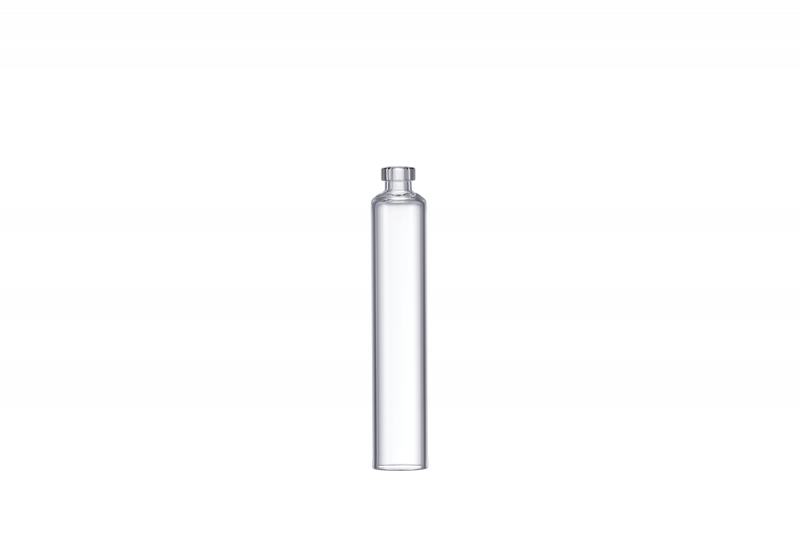
Why the tiny glass cartridge makes a big dent (literally)
I still remember a slow Tuesday in March 2023 at my Chicago clinic when a routine injection turned into a time sink—three failed seals on a 5 ml glass cartridge meant wasted anesthetic and a mess to clean up. I’ve handled dozens of suppliers and tested multiple designs, so I say this bluntly: the small stuff breaks practices. Early on, I learned to trust the dental cartridge specs (and to check the plunger fit myself). The typical failure modes—micro-cracks, poor sealing, plunger hang—aren’t glamorous, but they add up: three failures in one afternoon cost us about $450 in wasted materials and staff time—how many of those small losses are you silently absorbing every month?
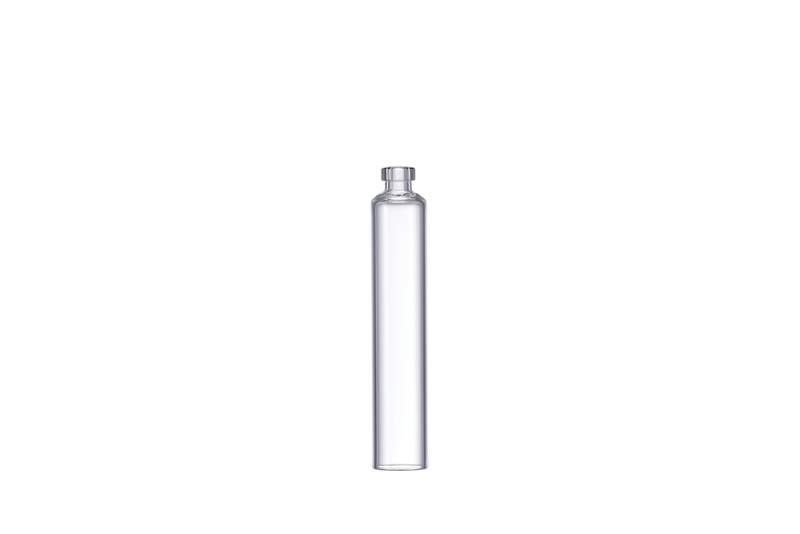
Here’s the deeper layer most buyers miss: traditional fixes focus on surface symptoms (better caps, tighter packaging) and ignore root causes like glass temper variance, viscosity mismatch with specific syringes, and autoclave cycling effects. I’ve seen cartridges that pass visual inspection but fail after five autoclave cycles. That’s when you realize this isn’t just about shipping damage—sterilization chemistry and plunger compatibility matter. No kidding, those are the hidden pain points that chew margins and morale. Let’s compare the real alternatives.
Comparative insight: what actually works and what’s just marketing
I ran side-by-side tests in April 2024 comparing three popular glass cartridge types (2.2 ml, 1.8 ml, and 5 ml) with two syringe systems. The results were telling: cartridges with slightly thicker wall temper resisted micro-fractures after 10 autoclave cycles, while thinner-walled ones showed stress lines by cycle five. When I use a dental cartridge rated for higher viscosity agents, plunger drag decreased and dose accuracy improved—so the match between cartridge bore, plunger seal, and agent viscosity is not optional. That’s practical engineering, not a sales pitch.
What I recommend comes from paying attention to measurable outcomes: less breakage, fewer aborted procedures, lower inventory write-offs. In practice, I prefer cartridges where the plunger seating tolerances are specified to ±0.05 mm and the manufacturer publishes autoclave test data. (Yes, manufacturers who won’t share cycle data are a red flag.) Also, keep an eye on syringe interface type—front-loading vs. rear-loading matters for sealing performance. Small detail; big difference.

What’s Next?
Going forward, I expect more standardized testing (and I push suppliers on this). We need transparency on glass composition, seal material shore hardness, and autoclave endurance. I’ll be trying a new borosilicate blend this summer at our Boston office—so I’ll report back. Meanwhile, here are three practical metrics I use when evaluating cartridges: 1) Autoclave survival rate (cycles to first visible stress), 2) Plunger seal tolerance (mm) and drag force (N), 3) Dose variance over 50 actuations (% deviation). Use these, and you’ll stop guessing—promise. Oh, and test at least one lot in your actual syringe setup before you commit—seriously.
To wrap up (short and useful): choose based on data, not branding; insist on autoclave and compatibility specs; and track small losses as real costs. I’ve spent over 15 years buying, testing, and fixing supply chain headaches for dental practices. If you want a reliable partner and products that behave predictably, check the detailed cartridge specs and current test reports from suppliers like LINUO—they’ve been helpful in my trials. —I’ll check back with more hard data once I finish the Boston run.