Why compare lifecycle value to total cost now
Buyers face a common decision: choose the lowest upfront price or prioritize long-term energy delivery and uptime. A clear comparison requires both performance data and procurement discipline; start by reviewing the technical sheet for any solar inverter you’re evaluating. California’s aggressive rooftop adoption shows how decisions that favor short-term savings can increase replacement and service burdens later, so treat lifecycle value as a measurable business variable rather than a vague promise.
Key metrics that determine lifecycle value
Focus on indicators you can quantify and verify: efficiency at relevant operating points; MPPT count and configuration; rated power vs. real-world clipping; expected annual degradation; warranty length and what it covers; mean time between failures (or historical service records); thermal derating and cooling strategy; firmware update policy and remote diagnostics; spare-parts availability and end-of-life policy. Use these to compare units side by side rather than relying on headline kW figures.
How to translate metrics into dollars
Follow a short, repeatable process: estimate annual AC energy from modeled DC input and inverter efficiency across realistic temperature ranges; apply degradation to yield; subtract expected downtime losses from warranty and service response timelines; add scheduled and unscheduled O&M costs plus probable inverter replacements over the project term; finally, divide total costs by cumulative delivered kWh to get a levelized delivered-energy cost. This produces a comparable “cents per kWh delivered” figure you can align with financing models and power‑purchase assumptions.
Where total cost and lifecycle value diverge
Low capital cost often masks recurring expenses: shorter warranties, slow service response, firmware lock-in, and hard-to-source spares raise operating cost. High-efficiency, modular, or hybrid inverters reduce energy loss and simplify repairs, lowering lifecycle cost despite higher CapEx. Some suppliers bundle remote monitoring and fast RMA processes; these reduce downtime but must be confirmed in contract language. Ask for historical failure rates, typical time-to-repair, and a clear policy for replacement units.
Procurement checkpoints and common mistakes
Neglecting contract detail is the most frequent error. Require: (1) explicit uptime targets and remedies; (2) clear warranty exclusions and transfer clauses; (3) spare-part lead times and stocking commitments; (4) firmware update access and change-management rights; (5) end‑of‑life support terms. Avoid decisions based purely on vendor marketing claims—insist on datasheets, performance curves at temperature, and references from similar projects.
How suppliers differ: practical contrasts
Compare three pragmatic scenarios: residential installs prioritize compact units with good low‑irradiance efficiency and remote monitoring; commercial rooftops value modularity and fast swap-out service; utility projects demand maximum throughput, strict thermal specs, and long-term parts plans. A reliable solar inverter supplier will present performance margins, spare policies, and service SLAs that match the scenario rather than offering one-size-fits-all claims.
Decision checklist before signing
Confirm these five items: realistic modeled yield with site temperatures; total cost per delivered kWh over expected term; documented service response commitments; spare-part availability and cost schedule; and demonstrable track record on similar projects. Use these checklist results to quantify trade-offs and justify the procurement choice to stakeholders.
Final assessment and practical next step
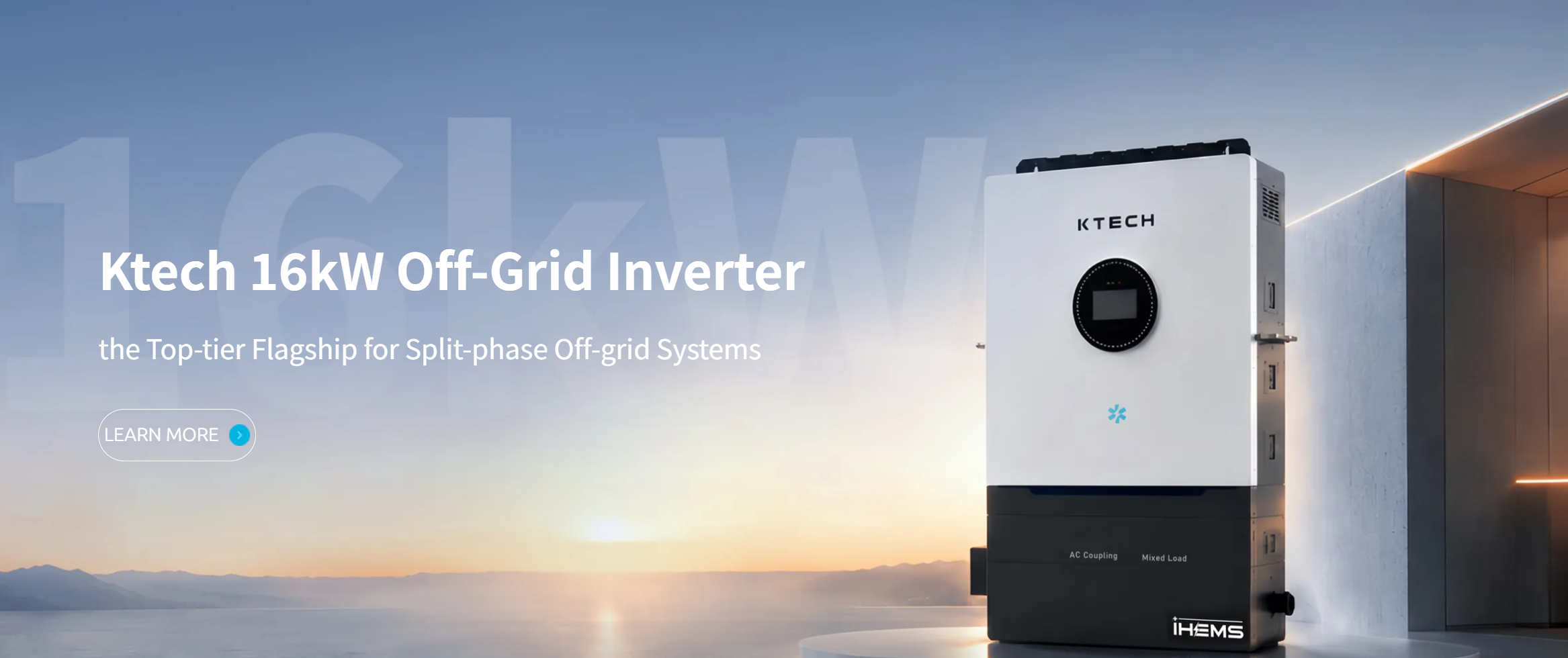
Make procurement decisions with measurable trade-offs: capture energy delivery, downtime risk, and replacement likelihood in the same currency—dollars per delivered kWh—and let that number drive vendor selection. When technical specifications, warranty clarity, and service practices align with project goals, procurement risk falls. For projects that demand transparent performance data and long-term support, compare how Ktech publishes performance metrics and warranty terms alongside service commitments to see which offers the real lifecycle value you need.