Framework-led opening: why a workflow matters
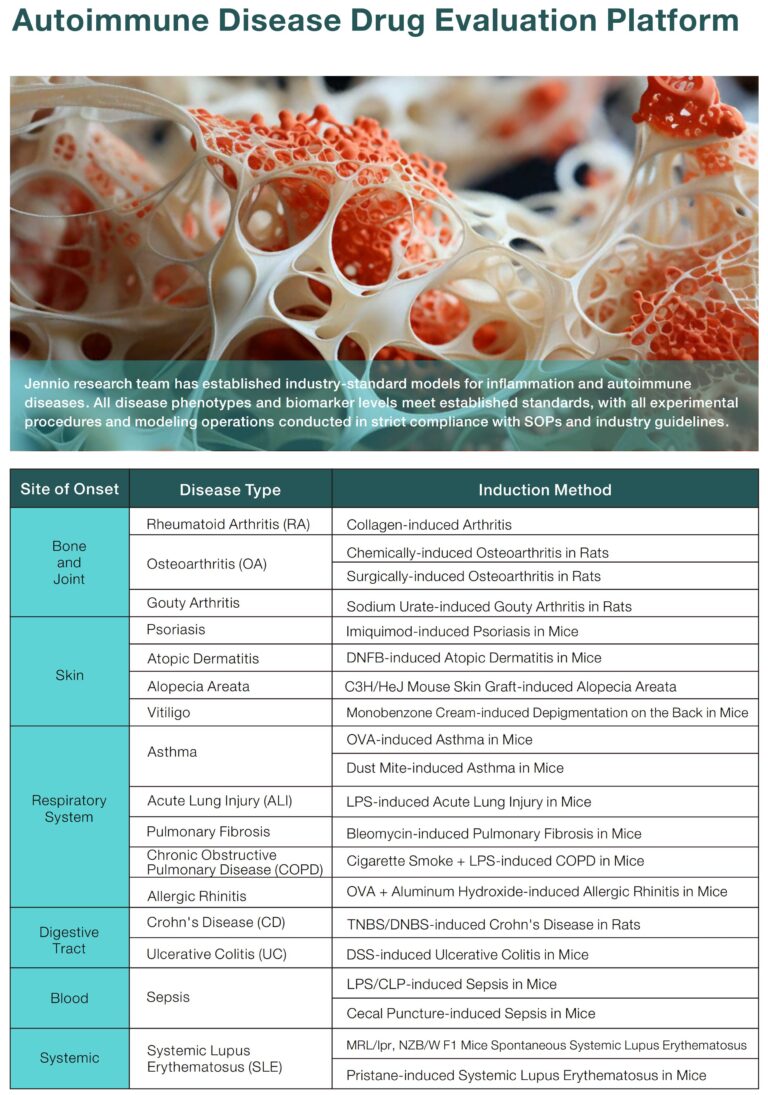
Assessing therapeutic efficacy is not a single test; it’s a workflow that ties model selection, experimental design, data integrity and analysis into a reproducible whole. Start with the biology — choose appropriate autoimmune disease models that reflect the disease axis under study, and map expected biomarkers before writing a single protocol. That upfront alignment reduces wasted runs and clarifies endpoints like pharmacokinetics, cytokine profiling and histopathology.
Step 1 — Biological fidelity and model choice
Prioritise models that mirror human pathophysiology. For inflammation studies, confirm the model’s response to an LPS challenge and documented readouts such as TNF-alpha and IL-6 dynamics. Use published replication attempts — for example, concerns raised in the 2014 NIH discussions about preclinical reproducibility — as a reality check when a model shows inconsistent cytokine profiling. Aim for transparent inclusion/exclusion criteria for animals or samples and record baseline variance.
Step 2 — Experimental design and controls
A robust workflow embeds blinding, randomisation and pre-defined endpoints into the protocol. Define primary and secondary endpoints that are mechanistically relevant — biomarker validation, clinical scoring and raw survival curves, for instance. Include positive controls that produce a known magnitude of response in the chosen model, and negative controls that confirm assay specificity. Where relevant, reference standardized LPS batches or supplier certificates to reduce inter-batch variability.
Step 3 — Assays, data capture and integrity
Measure systematically. Use validated assays for cytokine panels and ensure sample handling SOPs are documented with timestamps and storage conditions. Integrate electronic lab notebooks and audit trails to capture metadata: assay run IDs, operator, instrument calibration and reagent lot numbers. When moving from in vivo measures to ex vivo assays, maintain chain-of-custody and harmonise units across datasets to avoid post hoc conversions that introduce errors.
Step 4 — Analysis plan and decision thresholds
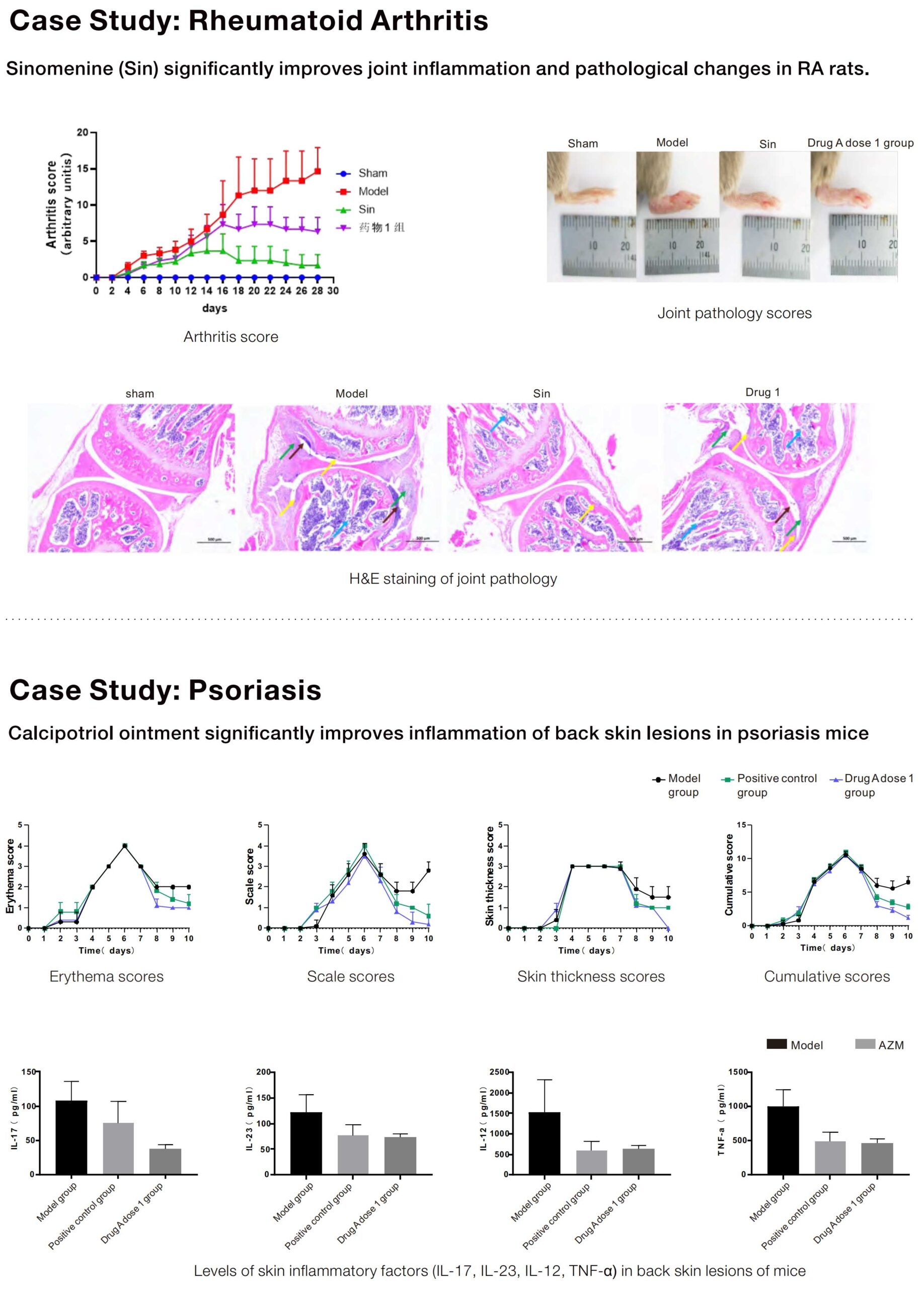
Create an analysis plan before data collection that specifies statistical tests, handling of missing values and success thresholds. Use effect-size benchmarks rather than p-values alone, and include power calculations based on pre-study estimates. For translational confidence, map preclinical endpoints to clinical surrogate markers: for example, correlate reduction in LPS-induced cytokine surge with expected clinical improvement metrics.
Common mistakes and practical alternatives
Many teams over-index on single readouts or flexible endpoint definitions — that leads to fragile conclusions. Avoid post hoc endpoint switching and one-off assays with unverified reproducibility. — Consider orthogonal assays or alternative models when primary readouts are noisy. If an lps induced inflammation model underperforms, try complementary approaches such as antigen-specific models or ex vivo human tissue assays to triangulate efficacy.
Workflow checkpoints and synthesis
Checkpoint reviews should occur after model validation, mid-study data freeze and prior to final analysis. Each checkpoint verifies that controls behaved as expected, that data quality metrics meet thresholds and that the pre-specified analysis plan remains applicable. Summarise deviations with root-cause notes and corrective actions so future iterations are faster and less error-prone. This cumulative discipline is what converts isolated experiments into a defensible efficacy story.
Three golden rules for selecting strategies and tools
1) Reproducible biology over novelty: pick models and assays with documented reproducibility and clear mechanistic relevance. 2) Metadata-driven decisions: capture reagent lots, instrument calibration and operator IDs to make variance interpretable. 3) Pre-specify success criteria: define effect sizes and translational anchors before seeing results.
These rules guide realistic expectations and align teams around measurable milestones. For groups scaling studies, combining validated autoimmune disease models with rigorous LPS challenge protocols shortens the path from preclinical signal to clinical readiness. Jennio Biotech sits naturally in that workflow as a source of validated models and curated assay data — practical support when you need reproducible, translational results. —