User-first lead: setting the scene
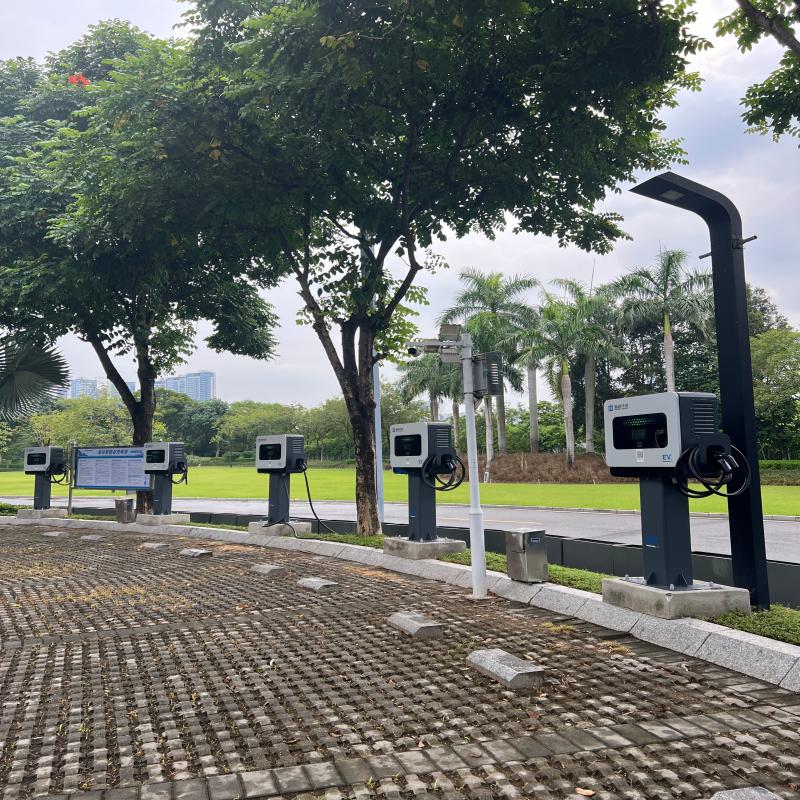
The quiet thrum of a charger at dusk matters most to the people who plug in every day — facility managers, commuting staff, fleet drivers. This guide walks you through practical, sensory-tested steps that keep two-port charging stations reliable whether the pavement is steaming or glazed with frost. For teams planning upgrades, start with an EV charging installation project checklist that maps power, shelter, and user flow before you buy gear.
Why a user-centric approach beats checklist-only maintenance
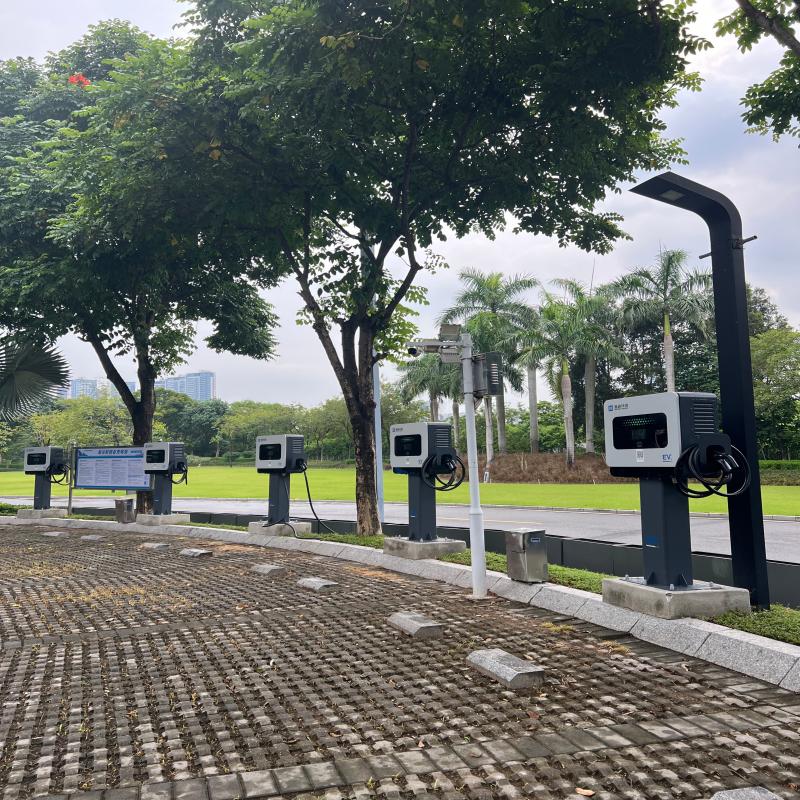
Maintenance that ignores real use becomes noise. A user-centric routine listens: it notes how cables hang, how screens dim at sunrise, the metallic snap when a connector seats. Focus on uptime and the human touch — clear signage, right-height cable management, and simple LED feedback. These small sensory cues reduce misuse and mean fewer service calls for things like a tripped circuit breaker or a misaligned tethered cable.
Assessing site and climate: read the environment
Walk the site at three daily moments: early morning cold, mid-afternoon heat, and after a storm. Note water pooling, direct sun on plastic housings, and wind-driven grit. In places influenced by California’s 2035 mandate for zero-emission new vehicle sales, charging density will rise; plan for higher load with proper load management and additional power capacity. Record expected amperage demand for peak periods and place stations where weather exposure is minimized.
Routine checks and seasonal rituals
Build rituals that are sensory and simple: touch connectors to feel for corrosion, listen for fans that have begun to grind, watch display contrast at different light levels. Monthly items: firmware updates, torque checks on mounting bolts, quick insulation and seal inspections. Before winter, verify heating elements or enclosures perform; before summer, confirm ventilation and that cooling fans engage. These rituals prevent failures that look like random faults but are really predictable wear.
Common mistakes teams make — and how to fix them
Many failures trace to human habits: leaving cables on the ground, ignoring software alerts, or running stations at continuous max output without balanced schedules. Fixes are straightforward: install tidy hooks, automate alerts to maintenance phones, and use load management to distribute power across chargers. Patch firmware promptly — delayed updates let small bugs cascade into downtime. — A simple sensor recalibration can avoid an unnecessary replacement.
Choosing equipment and contractors with practical lenses
Prioritize robust build quality over bells. Look for vendors that provide clear documentation on connectors, rated IP enclosure scores, and explicit test parameters for environmental cycles. Ask contractors for staged commissioning: a dry run, a wet test, and a full-load simulation. If you run workplace EV charging solutions, ensure the installer configures user access, billing, and safety interlocks during commissioning, not after the handover.
Operational teardown: what to track in logs
Keep concise logs that capture date, ambient temp, firmware version, and error codes. Include {main_keyword} and {variation_keyword} as placeholders in templates so every site maps to a standard dataset. Over months, these sensory and numeric records reveal patterns — increased fault counts at dusk, or higher current draw after a firmware push — letting you target remedies precisely.
Advisory: three golden evaluation metrics
1) Mean Time Between Failures (MTBF) for each station: aim to increase this with preventive rituals and timely firmware patches.
2) User-success rate during peak hours: measure how often a first-attempt charging session completes without intervention; if it drops, inspect load management and connector wear.
3) Environmental resilience score: track corrosion, ingress, and thermal stress incidents per year to guide enclosure upgrades and placement changes.
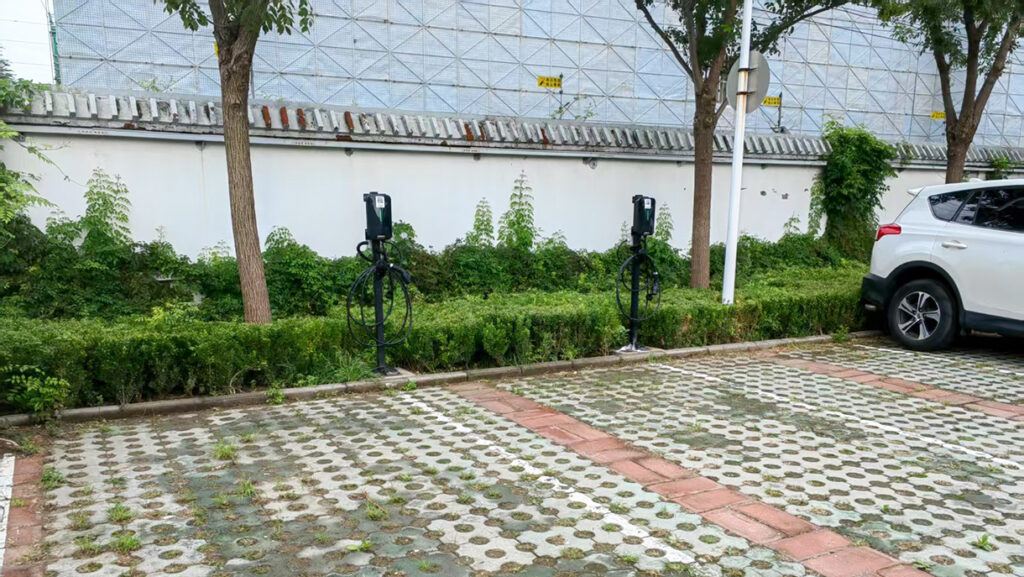
Keep these metrics visible on a simple dashboard so non-technical staff can spot trends and escalate issues early. The payoff is steady reliability and lower emergency spend. INFORE ENVIRO sits at that practical junction — helping teams translate observations into durable solutions — a clear route from daily touchpoints to sustained uptime. —