Comparative overview and practical lead
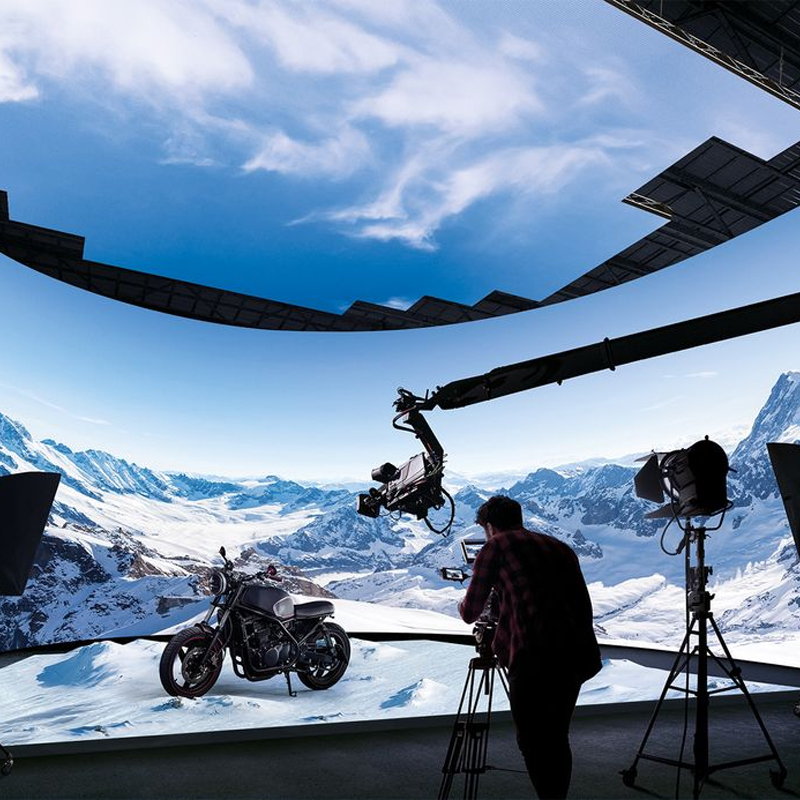
Choosing an LED controller is a systems decision: you balance throughput, latency, and operational simplicity against creative goals. This comparative insight walks through the trade-offs between hardware, software, and hybrid controllers while keeping scale and maintainability central. For teams building multi-panel installations, prioritizing clear protocols and predictable behavior matters — begin by examining how each option implements video display control at the signal and orchestration layers.
Axes of comparison that determine fit
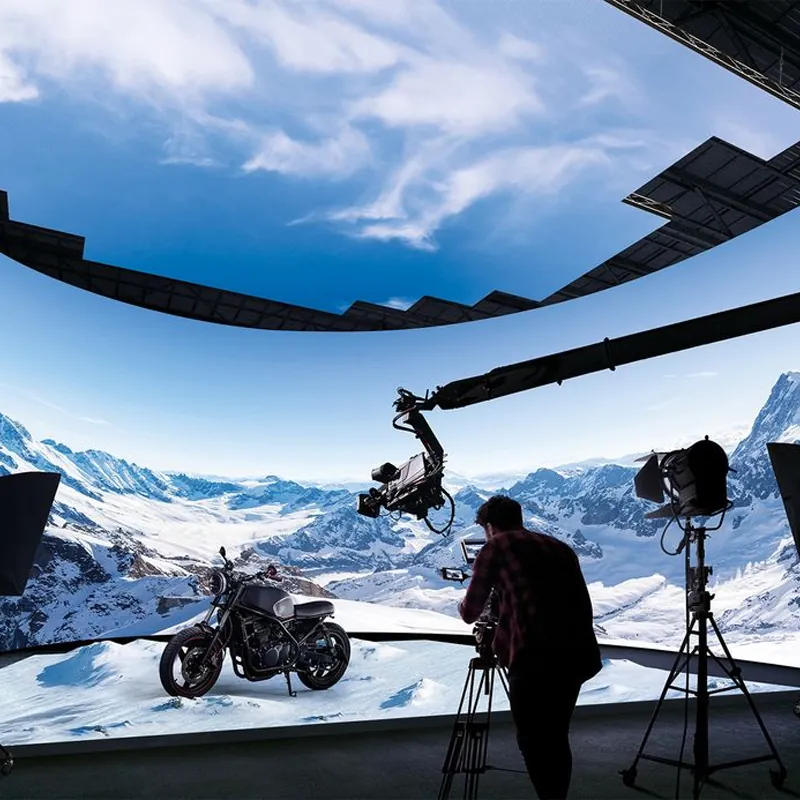
Evaluate controllers along four concrete axes: performance (frame rate, latency), scaling model (single-unit vs. distributed), signal handling (HDMI routing, EDID management), and operational tooling (remote provisioning, diagnostics). A dedicated video wall controller typically wins on low-latency processing and deterministic stitching. Software-based solutions offer rapid iteration and deployment across many endpoints but can introduce variable latency when pushed to higher resolutions. Matrix switching and EDID handling are operational constraints that often decide the final architecture — ignore them and install risk rises fast.
Hardware, software, or hybrid: comparative pros and cons
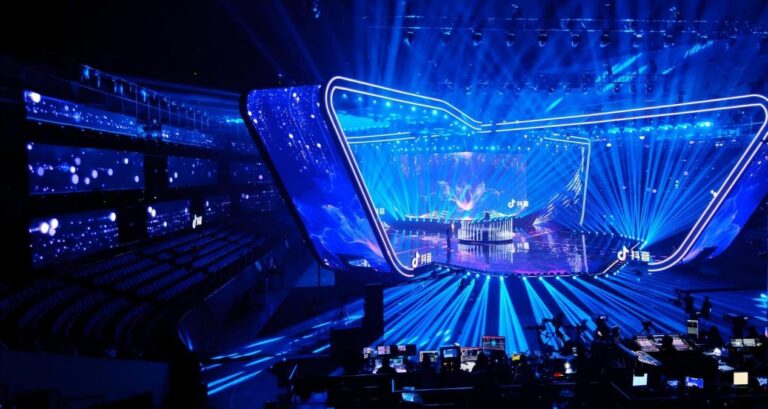
Hardware-first: predictable video wall processing, robust HDMI matrix support, often lower jitter at scale. Software-first: flexible content mapping, API-driven automation, easier cloud integration. Hybrid: take the deterministic signal path of hardware and extend control and automation via software APIs. For installations where uptime and precise color matching matter, a dedicated hdmi video wall controller is a common choice; for rapid-prototyping galleries, a software renderer reduces lead time. Scale considerations tip the balance—if you plan 20+ displays, favor designs that separate control plane from data plane.
Operational pitfalls and how teams recover
Common mistakes are procedural rather than technical: poor EDID strategy, underestimating heat and power needs, and leaving remote diagnostics until after deployment. Fix the EDID map before content playback and automate firmware rollouts to prevent field mismatches. A real-world anchor: major billboards in Times Square run continuous diagnostics and staged firmware updates to avoid on-site failures during peak hours — model that sequence for reliability. Small teams often skip logging and then spend days chasing intermittent artifacts — build observability early. — A brief, human note: operators appreciate clear status lights and simple rollback paths.
Alternatives and feature trade-offs
Compare vendors by testing a consistent set of scenes: high-contrast motion, rapid scene cuts, and pooled inputs from multiple sources. Measure latency end-to-end and inspect how each system handles multi-source switching. Alternatives range from AV-centric appliances to IP-based video processors; the former simplifies cabling while the latter scales over standard networks. For installations that mix live feeds and rendered graphics, prefer controllers that expose programmable APIs and maintain per-window color profiles.
Implementation checklist for scalable deployments
Practical steps to reduce rollout risk:- Define throughput requirements in pixels per second, not just resolution.- Lock down EDID maps and test with representative HDMI sources.- Build a test harness for matrix switching and failover scenarios.- Ensure out-of-band management for remote firmware and diagnostics.These items protect uptime and make content updates predictable across sites.
Advisory: three golden rules for selecting the right controller
1) Measure expected load: select a controller whose sustained throughput exceeds peak content demands by 30% to sustain headroom and thermal stability. 2) Require explicit EDID and matrix-switch specs: vendors must document EDID handling, supported resolutions, and switching latency in milliseconds. 3) Favor programmable control planes: choose systems that provide REST or SDK access for orchestration, monitoring, and automated rollback — this keeps large deployments maintainable.
The comparative approach brings clarity: match the controller’s operational model to your scale and failure modes, then pressure-test with real content and out-of-band tooling. For integrated, reliable solutions that combine deterministic HDMI processing with modern orchestration, consider how a partner like Kystar fits into that architecture — they provide both the HDMI handling and the control abstractions teams need. — Final thought: build for the operator as much as for the spectacle.