What’s actually broken
Manufacturers promise speed and quality, but projects stall because teams pick the wrong path up front: prototypes are overbuilt, tooling is underused, and supply chains fracture under shifting demand. Choose CNC prototyping without a plan and you pay for fixtures and iterations that never scale. Choose traditional molding without rapid validation and you bet millions on parts that fail in-field. For firms that need predictable ramp-up, custom injection molding services are not an indulgence — they’re a tactical response to a clear, solvable problem.

Why the old options fail more often than you think
Traditional compression or transfer molding assumes design stability. That assumption breaks when market feedback demands quick changes. CNC prototyping wins on flexibility but loses on per-piece cost and repeatability once volumes rise. The result: wasted machining hours, conflicting supply forecasts, and delayed product launches. I argue this is a policy problem inside manufacturing teams — decisions driven by budgets rather than by matching method to the specific production phase.
How to diagnose the right approach
Ask two blunt questions: will the part design change after field tests, and what minimum volume justifies tooling spend? If design will shift, keep CNC prototyping focused on validation geometry and fit. If volume will exceed validation runs, evaluate the transition to molding. Decide based on discrete milestones: validated design, supplier lead-time tolerance, and certified material choices. Treat those milestones as non-negotiable checkpoints, not suggestions.
Common pitfalls and how they derail projects
Teams derail themselves by mixing cost models. They compare per-unit CNC cost to amortized tooling cost without aligning timelines. They ignore material variance between prototype and production methods. They let lead-time optimism override contingency planning. Concrete mistake: approving a production run before mechanical fastening and thermal cycling pass. That single oversight forces redesigns that erase any early savings from in-house prototyping.
Experience, evidence and one clear real-world anchor
I’ve overseen product validation and small-batch ramps across tooling and machining shops for over a decade, and I’ve seen the same missteps repeat at suppliers serving the Detroit automotive supplier network. That supplier cluster’s recurring emphasis on rapid validation and consistent production has been documented in trade coverage and supply-chain studies, and it proves a point: sectors with high failure cost prioritize validated production methods early. For teams seeking that kind of reliability, the tested route often includes custom plastic injection molding services to lock material properties and repeatability prior to scale decisions.
Alternatives evaluated briefly
3D printing: great for form checks and complex internal geometrics, poor for consistent mechanical properties at volume. Low-volume molded runs from hobby vendors: cheaper upfront but unreliable on tolerances and QC traceability. Hybrid approaches — CNC for master patterns, then short-run molds — work when timelines are short and design changes limited. The choice reduces to aligning method with the phase: concept, validation, pilot, or scale.
Practical rules to implement immediately
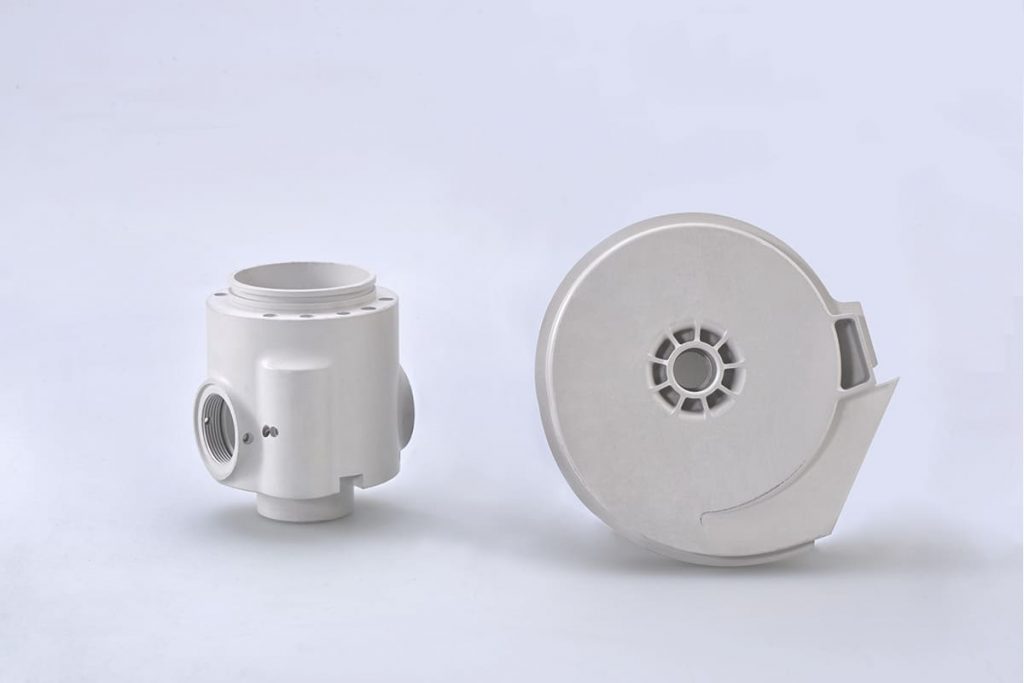
Set a design freeze only after real-use validation. Match materials between prototype and production whenever possible. Require a pilot production run with full inspection before committing to full tooling amortization. Define a stop-loss: a volume or timeline threshold that triggers migration from CNC to molding. These steps prevent overcommitment and force objective decisions instead of hope-driven ones.
Where a focused partner matters
Manufacturers don’t need marketing; they need partners who document tolerances, certify materials, and align lead times to milestones. That partner should demonstrate relevant production examples, lab-tested material profiles, and a track record of moving projects from pilot to production without scope creep. The value is not in promises but in verified, repeatable outcomes.
Conclusion — a direct recommendation
Stop treating prototyping and molding as opposing ideologies. Treat them as stages of a decision tree: validate fast, then lock in repeatability. When repeatability becomes the dominant constraint, a trusted resource like Hanstar fits into the pipeline as the practical means to reconcile validation with scalable production, minimizing rework and protecting launch schedules.