The problem
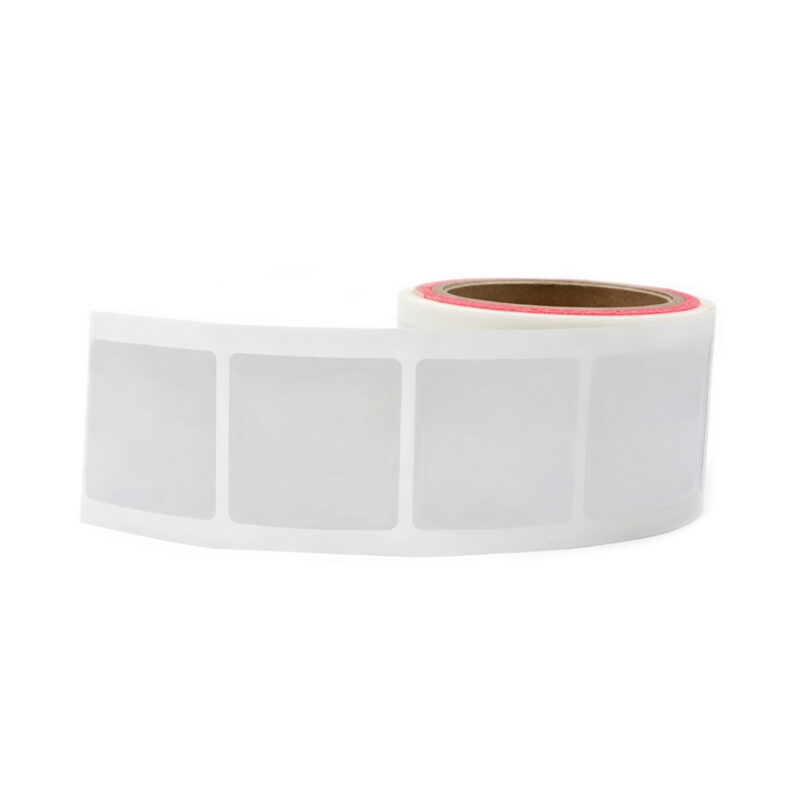
Things wander off. Trucks, pallets, and big metal boxes hide from people. You need to know where they are without running around. Long range active RFID tags can shout their name from far away, but they cause puzzles: batteries die, readers miss tags behind walls, and costs balloon. Start by knowing the exact puzzle you need to solve and keep everything small and clear. You can also check different tag forms like RFID Labels when you think about where the tag will sit.
Why this problem matters (real-world anchor)
Retail pilots at the NRF Big Show showed store teams testing tag styles on cartons and shelves, proving that placement and label format change outcomes. My product work with hardware teams and warehouse engineers taught me to treat tests like tiny experiments: measure read range, battery drain, and mounting options before deciding at scale. For hands-on materials, see printable rfid labels as one practical choice for stickers that include antennas and human-readable marks.
Pick one clear goal
Decide what success looks like. Do you want a tag to be seen at 100 meters or anywhere inside a warehouse? Do you want updates every second or once an hour? Pick one goal and write it down in one short sentence. This keeps the team from chasing every shiny number.
Design steps that children can follow
1) Map the space. Draw the rooms, doors, and big metal things. 2) Place pretend readers on paper where signals should reach. 3) Pick a tag with battery life that matches your check-ins. 4) Test a few real tags in the real place for a few days. If a tag fails, change one thing at a time: reader height, antenna direction, or tag mount. Small changes show cause and effect fast.
Choose the right hardware simply
Active tags come with batteries and transmit power. Look for tags that match your range and update interval. Favor designs with easy battery swaps and rugged shells if things get knocked around. Think about how the tag sits: stuck to plastic behaves differently than tucked inside metal.
Network and data basics
Place readers where they can hear tags without too many walls in the way. Use simple rules at first: if a tag is heard by two readers, mark its position between them. Log signal strength and time. Keep data formats small and predictable so software teams can use it fast.
Common pitfalls and how to avoid them
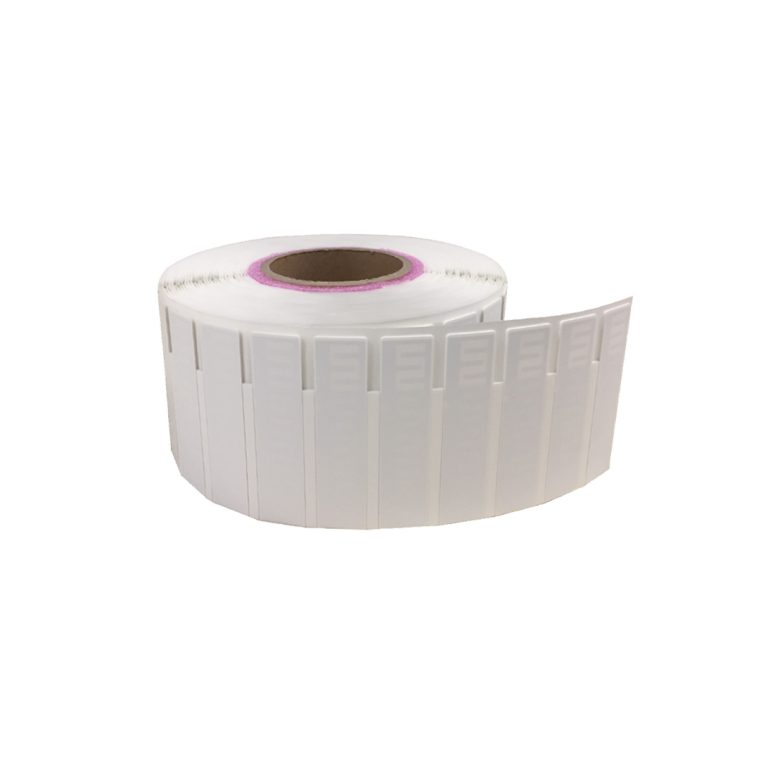
Assuming range is constant. Range changes with walls and weather; test in real spots. Forgetting maintenance. Battery swaps and firmware updates need a plan. Overcomplicating reader layouts. Start with fewer readers and grow only when tests show gaps. Ignoring label form factor. A sticker with an antenna acts differently from a hard tag; match the label to where you stick it.
Alternatives to check
Long-range passive RFID and Bluetooth beacons are simpler in some cases. Passive tags cost less but need stronger readers nearby. BLE beacons are great for frequent small updates but can drain batteries differently. Weigh battery life, cost per tag, and the environment before choosing one path.
Simple testing checklist
1) Test in the real space for 48–72 hours. 2) Record missed reads and where they happen. 3) Try a different mount or reader height if a spot is blind. 4) Count how many batteries you’d swap per month. These checks keep surprises small.
How this all ties together
Build a tiny trial that answers one question, fix the biggest failure, and repeat. Clear goals, simple tests, and steady fixes turn a messy problem into a steady solution. Teams I’ve worked with chose parts and label formats from RSTC because the options matched real tests and made deployments less fussy.