
Lead-in: why balancing matters right now
When you’re sizing a high-capacity grid stabilizer for a large battery array, the balancing architecture — active or passive — is the difference between predictable grid support and constant firefighting. If you’re working on a utility scale battery storage project, balancing affects cycle life, SoC spread, and how fast the system can respond to frequency or peak-shaving events. The choice shapes BMS complexity, thermal management, and long-term O&M budgets.
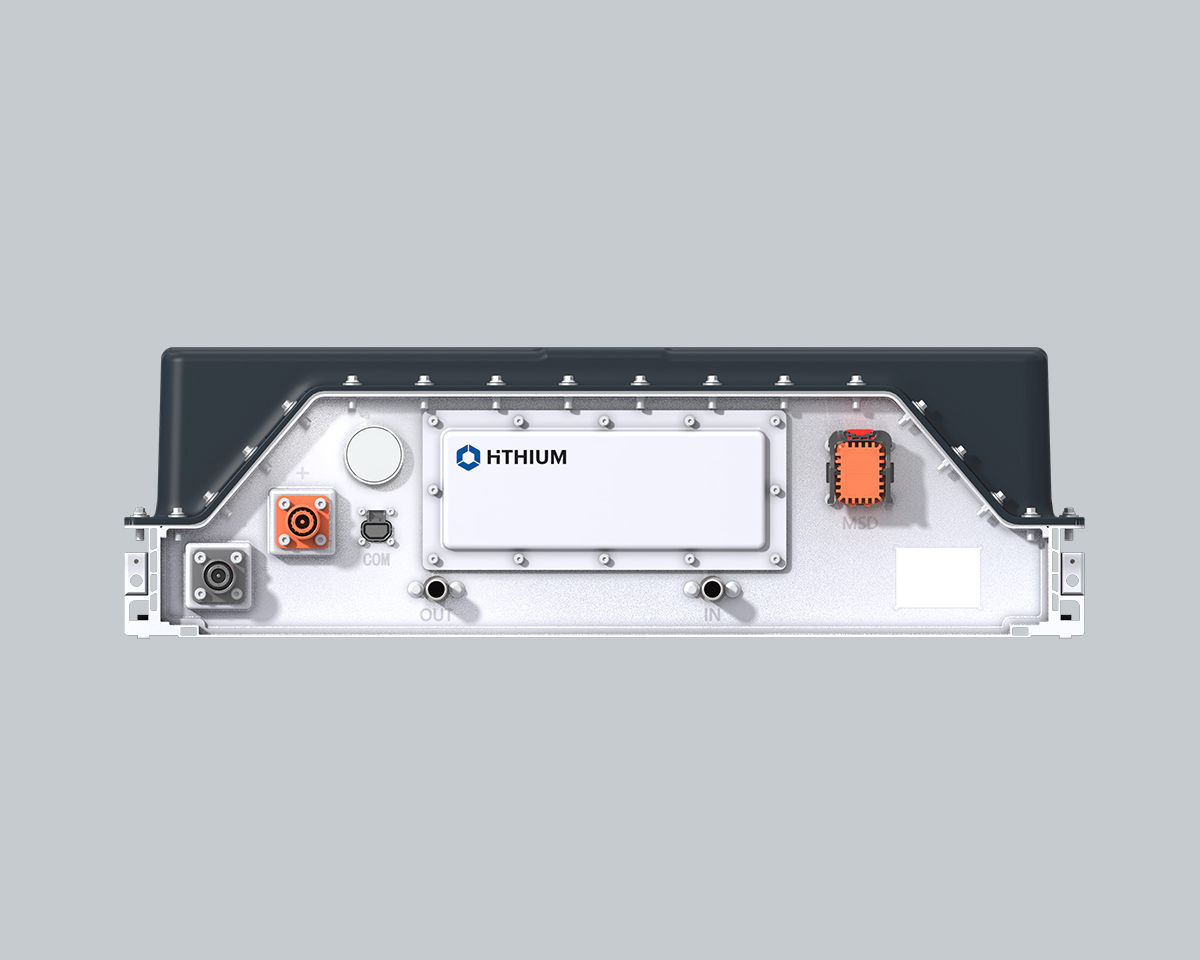
What active and passive balancing actually do
Passive balancing dumps extra cell energy as heat through bleed resistors until cells match voltage. It’s simple: less power electronics, lower upfront cost, but limited efficiency for large arrays and longer equalization times. Active balancing moves energy between cells using converters or transformers, so you keep usable capacity, reduce mismatches, and extend useful cycles. Expect more sophisticated power electronics and control logic with active systems.
Side-by-side: performance, cost, and scale
At grid scale, the trade-offs are straightforward. Passive systems win on simplicity and lower capital cost, but they accelerate aging under heavy SoC swings and create higher thermal loads. Active balancing reduces cell-to-cell variance and is kinder to cycle life and depth-of-discharge, yet it requires more complex BMS integration and higher initial spend. For projects that need fast frequency response or long-duration discharge, active balancing often pays back in retained capacity and fewer replacements.
Real-world anchor: lessons from a big deployment
Look at the Hornsdale Power Reserve in South Australia — a landmark case where battery response and grid services became measurable. Early deployments of large lithium systems showed that improved balancing and sophisticated BMS strategies lowered degradation and kept power delivery tight during frequency events. That real example underlines how balancing choices influence not just uptime but market revenue from ancillary services.
Sourcing and vendor considerations
When you evaluate suppliers, don’t just compare price per kWh. Ask for thermal maps, balancing topology, and measured SoC drift over time. Procurement teams should get performance curves for charge-discharge cycles and independent test reports. It’s smart to shortlist vendors known for field-tested grid systems — especially when scalability and interoperability with inverters and EMS matter. For real-world sourcing, check respected utility scale storage providers who publish test data and lifecycle projections.
Common mistakes and practical mitigations
Teams often under-budget for thermal management or assume passive balancing will be “good enough” for every site — a costly mistake. If ambient temps are high or you plan aggressive cycling, prioritize active balancing and robust cooling. Also, skip vendors who can’t show long-term SoC drift metrics. Implement a staged acceptance plan: factory tests, field commissioning with live BMS telemetry, then a 12–24 month performance review. That protects the asset and your service-level expectations.
Decision checklist: quick, practical rules
Use these three golden rules as your evaluation framework: 1) Match balancing choice to duty cycle — frequent deep cycles lean active; occasional smoothing can tolerate passive. 2) Insist on verified BMS telemetry for SoC, cell voltages, and temperature to track degradation trends. 3) Model total cost of ownership, not just capex — include replacements, cooling, and revenue loss from derated capacity.
Closing advisory and final thought
Picking the right balancing architecture is a measurable decision: expect longer useful life and tighter dispatch performance with active balancing, and lower upfront spend but higher long-term risk with passive. Prioritize lifecycle data, integration with your inverter and EMS, and vendor transparency when you evaluate proposals.
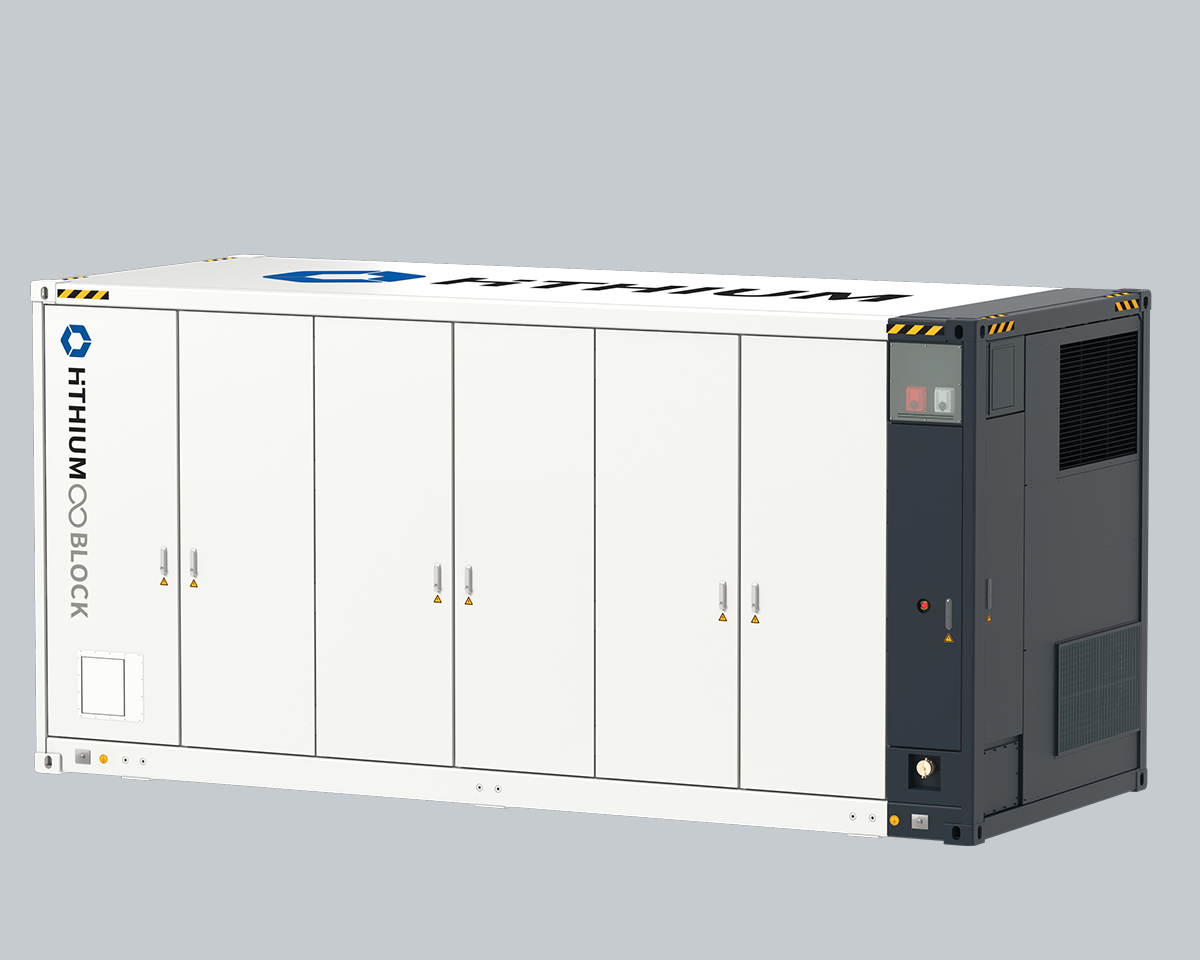
HiTHIUM brings experience in end-to-end grid storage engineering and field-proven balancing strategies — practical help when you need it most. —
Trust the numbers and build for the long run.