Introduction: A familiar charging moment
I remember pulling into a lot, phone at 5% and rain starting to fall—classic, right? Around me, drivers were juggling cables, adapters, and apps while the station sat partially used. All in one charger was supposed to fix that mess, but many sites still feel clunky. Recent surveys show convenience ranks top for more than 40% of EV buyers, and wait times at some hubs still exceed 20 minutes on busy days. So I ask: why does a single device promise simplicity but rarely deliver a smooth user experience?
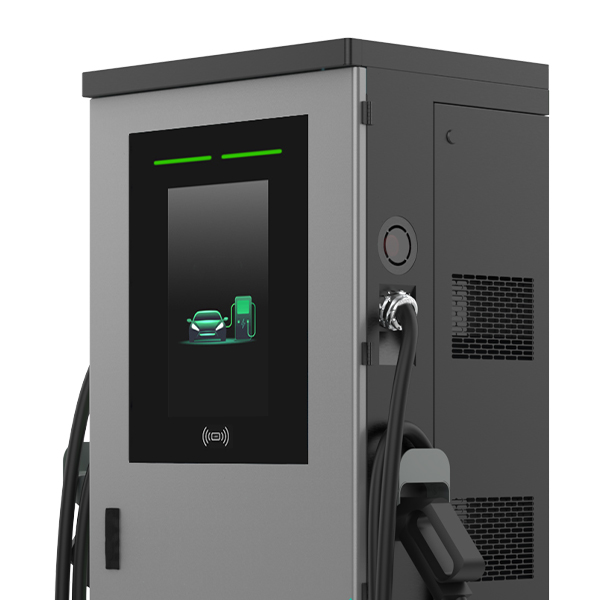
Let’s set the scene: a charger that combines AC/DC conversion, communication modules, and cable management should cut clutter and speed up installs. Yet real-world installs throw up surprises—site power limits, firmware glitches, and coordination with utility meters. I’ll walk you through the issues I see most often, why they matter, and how the next wave of products can actually make charging feel effortless. Ready to dig in? — you’ll see there’s more under the hood than just a tidy enclosure.
Part II — Why traditional solutions miss the mark
When I look closer at electric car charging equipment, I see a pattern. Many builds still copy the old model: separate power cabinets, standalone chargers, and third-party communications. That setup adds cost and complexity. For example, field teams wrestle with power converters and control firmware during commissioning. These are not glamorous problems, but they cost time and money. In one project I helped with, delayed firmware updates extended installation by a week—frustrating for owners and installers alike.
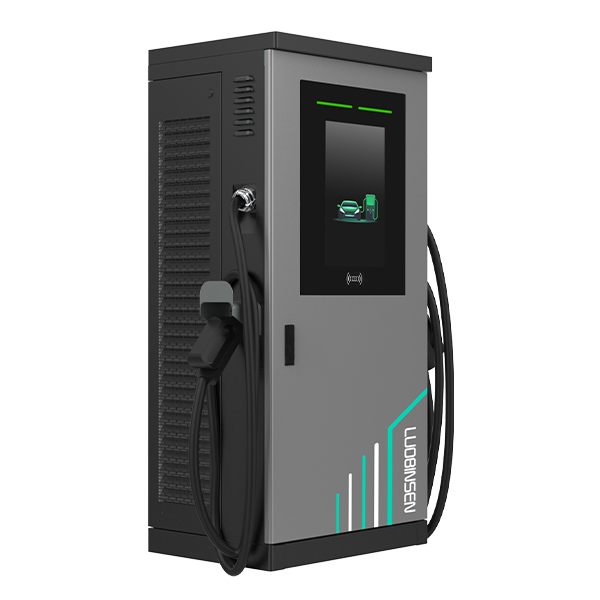
What’s really failing?
Technically, the usual culprits are obvious: inefficient power electronics, poor cable routing, and weak grid integration. DC fast charging modules often require bespoke cooling and extra site prep. That raises civil work costs and clashes with project timelines. I find that installers end up improvising—more junction boxes, more ducting. Look, it’s simpler than you think: combine smarter power converters with standardized communications and you cut both labor and failure points. But that requires redesigning product architecture, not just slapping components together.
Part III — Forward-looking: Where the tech goes next
Moving forward, I focus on practical advances and how they change decision-making. In future deployments, modular all-in-one units will lean on better thermal design, integrated metering, and more resilient firmware. These principles reduce downtime and lower maintenance. For operators, that translates to higher uptime and clearer ROI. We’ll also see greater use of smart grid features—V2G readiness, remote diagnostics, and dynamic load balancing. I’ve watched pilots where intelligent load management cut peak demand by nearly 30%—yes, really.
Case example? Picture a retail lot that replaced legacy chargers with modular all-in-one units that include onboard meters and remote update capability. Installation time dropped. Customer satisfaction climbed. Revenue per stall went up because chargers spent more time available. (— funny how that works, right?) Now, when you evaluate new products, consider not just peak power but serviceability and software lifecycle. Those matter more over five years than a slightly cheaper hardware price today.
What’s Next: Choosing the right solution
I’ll close with three practical metrics I use when I advise clients on electric vehicle charging solutions: interoperability (can the unit talk to your network and management software?), total cost of ownership (include installation, maintenance, and downtime), and upgrade path (firmware, modular parts, and scalability). These points cut through marketing claims and help you pick gear that works on day one and grows with demand. I try to be blunt here—hardware spec sheets lie by omission unless you dig into firmware and field service records.
To sum up, the promise of an all-in-one charger is real, but only if designers treat it as a systems problem: power electronics, communications, and installation practices must be solved together. I care about real outcomes—less time fixing gear, more time serving drivers. If you want a partner that tests for those outcomes, check the team at Luobisnen.