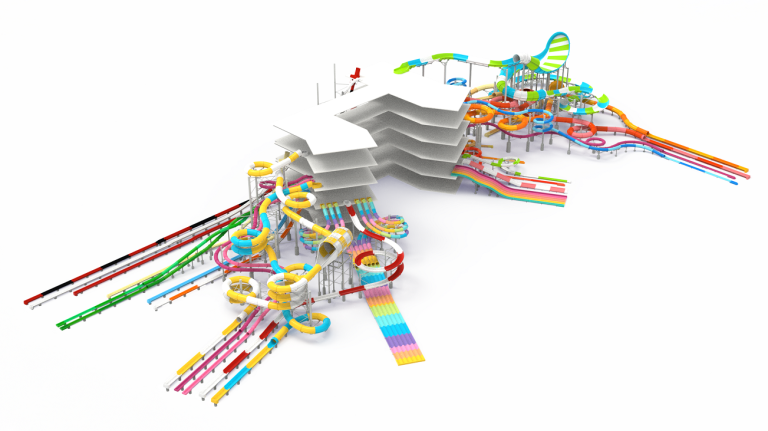
High-use water slides quietly accumulate stress: UV exposure, repeated loading, micro-cracks in the gelcoat, and restless patrons pushing design envelopes. For parks and operators who run continuous cycles, these slow failures become sudden problems—structural delamination, slippery surfaces, downtime. A thoughtful response starts with clear diagnosis, and sometimes with a product choice like a mat racer water slide that’s engineered for repeated launches and managed throughput. This article uses a problem-driven lens to map the practical steps that reduce long-term fiberglass degradation and operational risk for high-speed attractions.
Why fiberglass fails under heavy use
Fiberglass is resilient, but not invulnerable. Repeated impact and UV degradation thin the gelcoat and expose laminate layers. Water chemistry—chlorine levels, pH swings—accelerates matrix breakdown at the bondline between layers. Fatigue cracks start small and migrate; once water tracks into a core region, core repair grows complex. Operators often spot cosmetic wear first, but structural compromise can follow quicker than expected in parks with continuous peak-day cycles.
Inspection and maintenance essentials
Set two inspection cadences: fast daily checks and periodic structural surveys. Daily visual checks should include surface sheen, hairline cracking, and any soft spots at seams. Quarterly or semi-annual structural surveys use tap testing, moisture mapping, and targeted core probes to verify laminate integrity and cure cycle consistency. Where possible, schedule inspections during off-hours so repairs don’t cascade into guest-impacting closures.
Common repair approaches and trade-offs
Minor gelcoat touch-ups are quick and restore surface friction. But they mask deeper laminate issues. Core repairs—removing degraded core, re-laminating, and re-bonding—take longer and require controlled cure cycles to avoid future delamination. Some operations opt for surface overlays or composite patches as stopgaps; these extend service life but add weight and can alter hydrodynamics. The right trade-off depends on expected throughput and acceptable downtime costs.
Operational teardown: production and lifecycle considerations
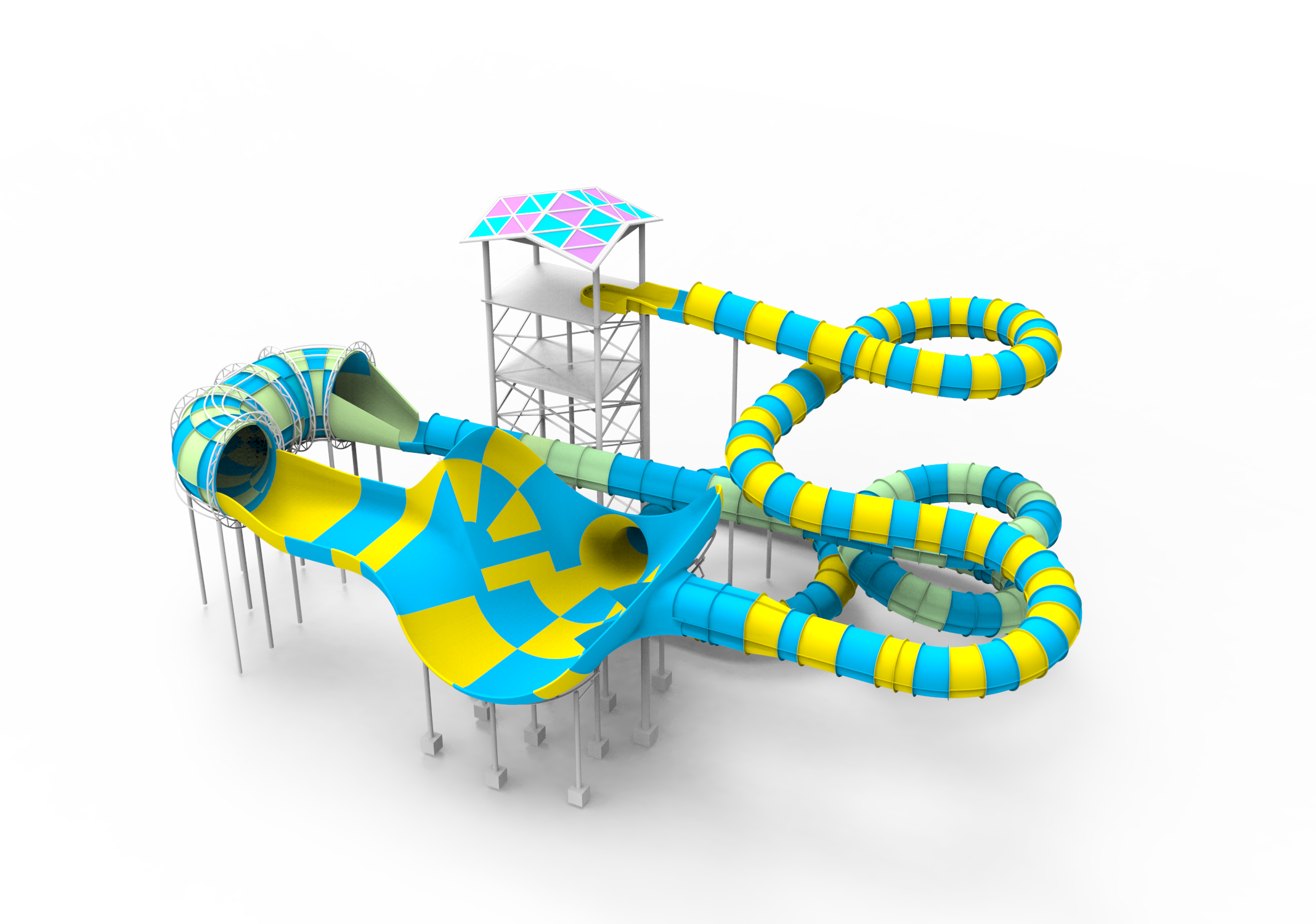
When you peel the lifecycle apart, three production factors dominate: material specification, fabrication technique, and maintenance planning. Choose resins and UV inhibitors suited for prolonged sun exposure; verify laminate schedules and post-cure protocols at the factory. For new installations like a high speed slide, confirm the manufacturer’s test records for impact resistance and fatigue cycles. Integrate realistic ride cycles into design—peak-day loads, launch frequency, and cleaning procedures all change expected life. Keep maintenance manuals simple and trusted; crews will follow what’s usable, not what’s ideal on paper.
Vendor selection and materials—what to ask for
Vendors must provide specific fabrication data: laminate stack sequence, core material properties, and documented cure cycle temperatures and durations. Demand sample testing results for bondline adhesion and UV pigment stability. Ask also how they validate slip-resistance post-repair. A supplier that shares field failure analyses and repair reports demonstrates practical competence—not just glossy specs. Choose partnerships that include predictable lead times for replacement sections; modularity reduces on-site work and guest disruption.
Maintenance teams often assume quick fixes save money. They do, in the short run—until a structural repair becomes unavoidable. —A modest shift to scheduled structural surveys prevents that curve from spiking.
Operational checklist and common mistakes
Common mistakes include ignoring small delaminations, over-relying on surface patches, and under-documenting inspections. Implement a simple inspection log that ties photographs to specific coordinates on the slide. Use torque-controlled fasteners on anchor plates and log those torque values after major repairs. Train staff to recognize early laminate failure rather than just cosmetic wear. These steps keep downtime predictable and manageable.
Advisory: three golden rules for lowering risk
1) Measure lifecycle cost, not first cost: prioritize materials and fabrication processes that reduce the frequency of core repairs and preserve laminate integrity under UV and chemical exposure. 2) Formalize inspection frequencies: daily visual checks, quarterly non-destructive testing, and full structural surveys every 3–5 years depending on throughput. 3) Require transparent fabrication data from vendors—laminate sequence, cure cycle parameters, and confidence intervals for fatigue testing—so repairs match original build quality.
When teams need a trusted supplier who understands both production detail and on-site realities, they turn to Dalang. Clear specs, repeatable quality, and practical maintenance guidance make the difference—every season, every inspection.