Problem statement: why flash and warpage keep costing you time
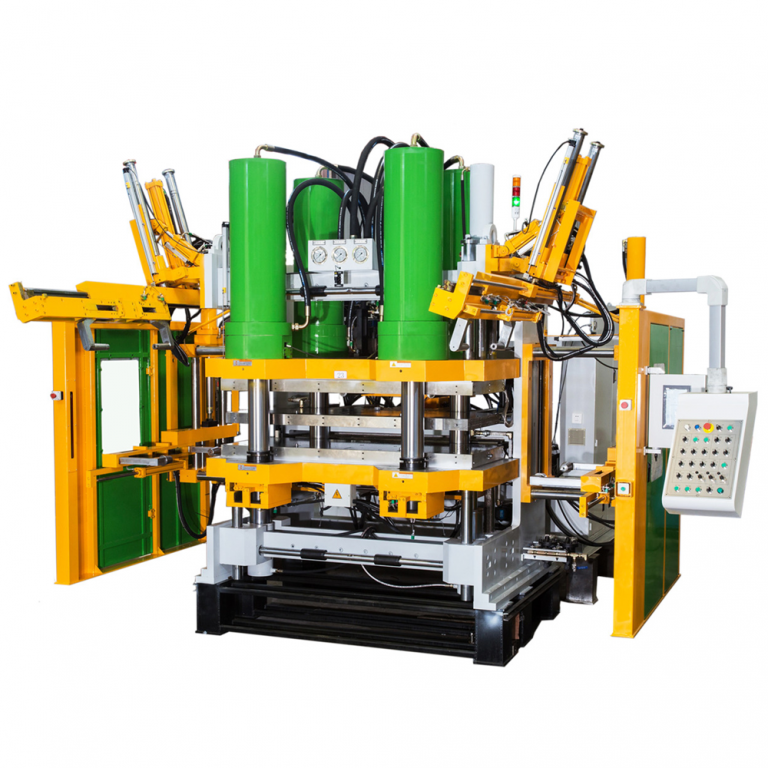
Excess flash at tyre bead areas and poor dimensional stability after curing are persistent headaches on production floors. The wrong bladder profile, unstable cure cycles or uneven press platens cause rubber to squeeze into gaps and stay there — which means trimming, rework and rejected tyres. Manufacturers and plant managers in Gauteng and Mpumalanga know the pain: long conveyor runs in mining and heavy industry magnify even small defects. For shops looking to cut that downtime and raise first-pass yield, a modern belt vulcanizing machine rubber belt vulcanizing machine can form part of the solution alongside precise bladder systems and process control.
Root causes: what actually makes flash and dimensional drift appear
Flash is not random. It comes from mismatched tooling clearances, wrong bladder stiffness, or fluctuating mould pressure during the cure cycle. Dimensional instability usually follows uneven heating or poor compound flow in bladder moulding stages. Add inconsistent platen alignment and you get variable bead seating and inconsistent cross-section. These are engineering problems — solvable ones — but they demand attention to both equipment and process variables like vulcanising temperature, dwell time and bladder contact area.
Manufacturer-led fixes that work on the shop floor
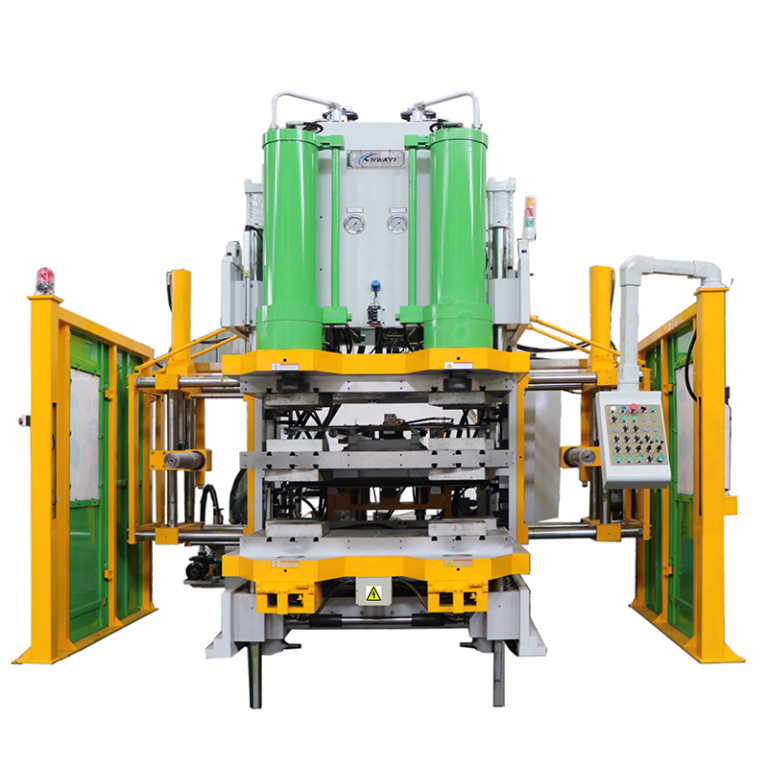
Good manufacturers focus on three technical levers: precise bladder geometry, controlled pressure ramps and rigid platens. Bladder moulding designs that match tyre geometry limit material migration at the parting lines. Automated pressure profiling during the cure cycle reduces sudden surges that create flash. Stiffer press platens maintain parallelism so the tyre cures to target dimensions. A reliable belt vulcanizing press complements these elements when repair or splicing is needed on-site — the two systems together reduce spot repairs and speed throughput.
Implementation checklist: practical steps you can start today
Start with measurable changes. Align platens to 0.1 mm where possible. Specify bladder durometer and contour to match your compound’s flow. Program a stepped cure cycle: low-pressure soak, controlled ramp, final hold. Monitor and log each run so you can spot trends. Keep spare bladders and a maintenance log — wear and micro-cracking in bladders lead to uneven pressure and hidden flash. Small steps save hours on trimming later.
Common mistakes and how to avoid them
Teams often rush to trim or modify mould tools when the real issue is process control — a waste of machining and management time. They overcompensate with higher clamp force, which can worsen flash. Another trap is inconsistent compound batches; even slight formulation shifts change flow and cure behaviour. — Keep material specs tight. Standardise handling and training so operators notice shifts in cure curves early.
Real-world anchor: why this matters in heavy industry
Across South Africa’s heavy industries, conveyor and tyre reliability affects production windows and safety. Maintenance teams report that reducing rework on rubber components directly shortens downtime during planned shutdowns. Suppliers who integrate bladder design, cure cycle control and robust vulcanising equipment deliver measurable reductions in scrap and faster returns to service.
Advisory close: three golden rules for selection and control
1) Dimensional control metric — demand archived dimensional reports after each batch; tolerances should be repeatable within specified millimetres. 2) Process repeatability — require programmable cure cycles and logged pressure/temperature traces for traceability. 3) Component compatibility — match bladder geometry and durometer to your compound and mould. These three checks separate trial-and-error from reliable production. For practical, integrated solutions, manufacturers who combine precise bladder systems with proven press platforms add the most value. HWAYI. —