Introduction: A Fast Fix That Actually Sticks
Yesterday, a facility manager walked five floors to swap a paper tag on a conference door. It took 12 minutes. The next day the room names changed again—digital name plate to the rescue. Across large sites, teams can spend hours each week hunting labels, correcting typos, and chasing approvals. One internal audit I saw put it at 2–3 hours per shift, mostly manual and error-prone. If that time dropped by half, what else could your team ship this quarter? (And how much calmer would your mornings feel?) As a teacher at heart, I’ll show you the practical steps and the why behind them, not just the buzzwords. Here’s the big question: do you need more people, or a clearer system that updates itself?
We’ll break down where time leaks out, why legacy fixes keep looping back, and which simple comparisons help you pick better tools. Then we’ll move forward—fast—so your signage stops being a chore and starts being a quiet win. Let’s set the stage for smarter choices next.
Under the Surface: Why Old Labels Keep Failing
What keeps breaking, and why now?
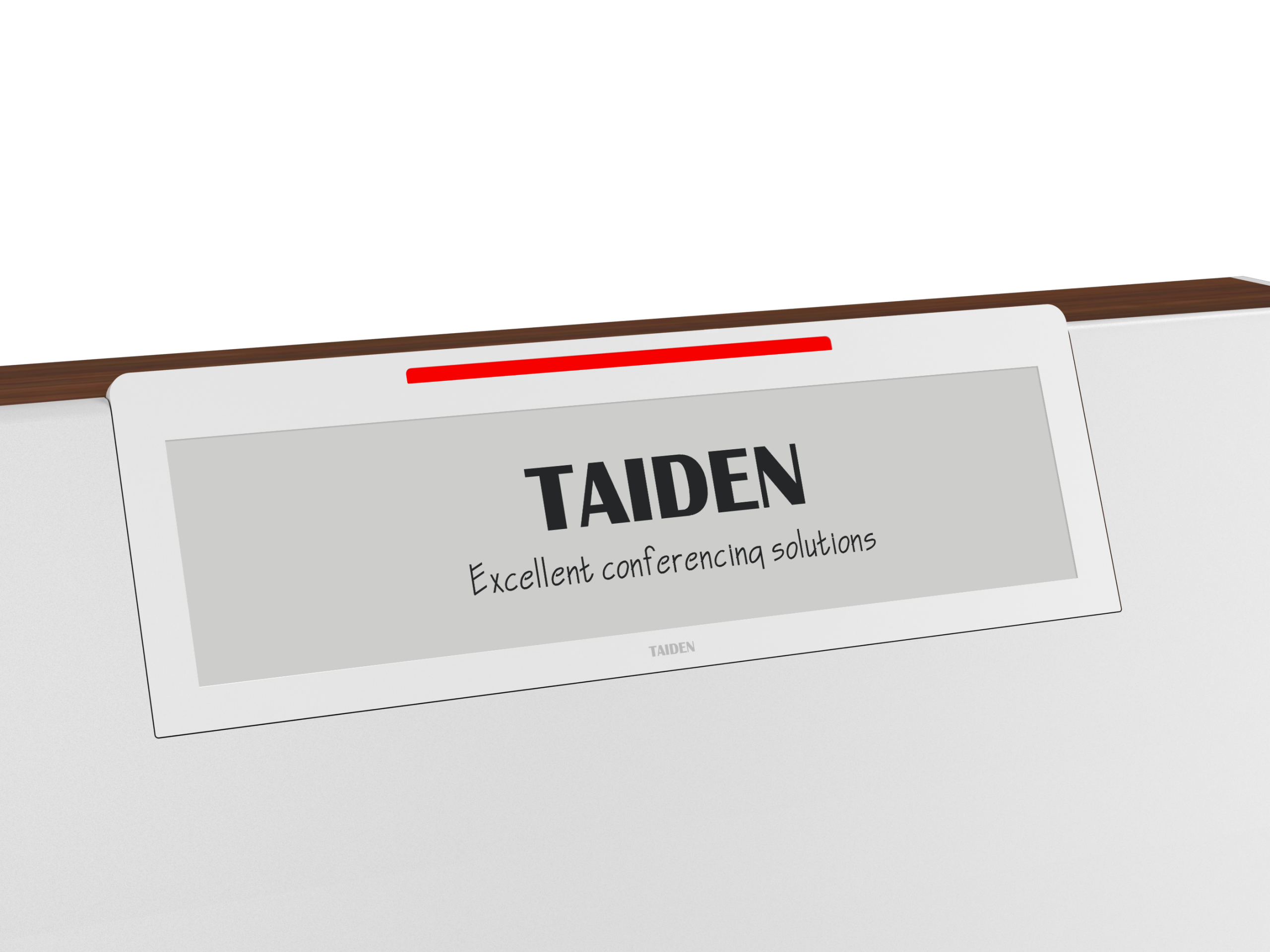
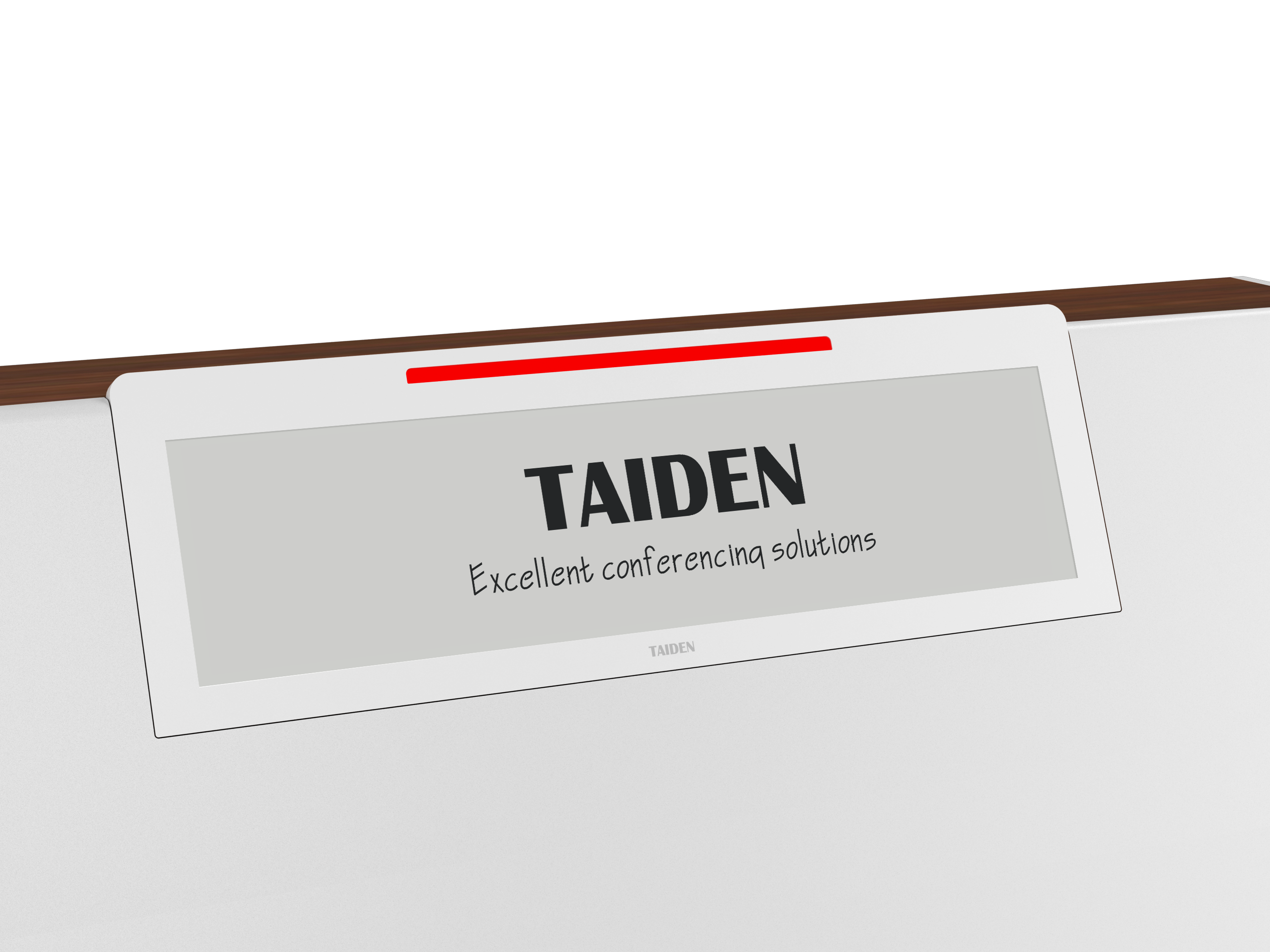
Let’s get technical for a moment and tackle the core design gaps. A modern digital nameplate is not just a screen; it is a small system. Traditional paper or static plaques fail because they assume stability: one name, one room, one update per quarter. But today’s rooms, desks, and hybrid teams change often. Without a live data path, your updates double back into manual work. Look, it’s simpler than you think: when displays connect to edge computing nodes and talk via secure APIs, the name on the door becomes a synced field, not a sticky label. E-ink display drivers cut glare and battery load, while BLE beacons and mesh networking keep updates reliable without blasting radio noise.
Old “digital” pilots often stall for three reasons. First, power planning is an afterthought; devices run hot or die early because power converters and battery management are mismatched to actual duty cycles. Second, provisioning stacks are brittle; if NFC provisioning or firmware OTA is flaky, the rollout drags. Third, interference gets ignored; crowded RF bands swamp weak radios and updates fail—funny how that works, right? The result is a loop: people lose trust, go back to paper, and the cost hides in quiet minutes. The cure is a system view: plan power, tune radios, and bind the display to a source of truth. That is what turns “sign” into service.
Comparative Gains: What New Tech Changes Next
What’s Next
Now let’s shift to a forward-looking view. New platforms separate the display plane from the data plane, so the sign becomes a thin client. That means your room name or desk owner is fed by a schedule or directory, not retyped on site. Low-noise radios schedule bursts, and low power consumption modes stretch cells for months. Compared to legacy tablets, E-ink draws power only on refresh, and PoE backbones can feed gateways without messy adapters—clean. In short: fewer touches, clearer states, steadier uptime. And yes, you can measure it—update success rate, median refresh time, and maintenance tickets per month. Edge logic can bundle updates to reduce chatter, while MQTT gateways smooth spikes so your network does not wheeze on busy Mondays.

Here’s how to apply it without drama. Start by mapping your update events to real triggers: badge in, calendar change, or service ticket closed. Then choose devices whose radios, batteries, and power converters align with that tempo. If your space changes hourly, pick panels with fast E-ink drivers and strong BLE coexistence; if daily, focus on deeper sleep states and graceful firmware OTA windows. Finally, compare vendors on three practical metrics: 1) total energy per update at the edge; 2) provisioning time per device at scale; 3) sync accuracy against your source of truth. Small wins add up—one less walk, one fewer typo, one calmer handoff—and teams notice. The result is a quieter system that lets people do actual work instead of babysitting signs. That’s the point, after all. For deeper exploration and references, see TAIDEN.