Introduction — a quick shop scene, some numbers, and one question
I once watched a small custom sign shop chase breathless deadlines while their cutting table coughed up a steady haze of burnt plastic — familiar, right? In that second hour I noticed they were relying on a single, undersized laser fume extractor to handle everything, and the air quality readings later showed particulate counts spiking by more than 200% during heavy runs (we checked the monitor — yes, on a weekday). So here’s the question: how do you balance throughput, worker safety, and filter cost without slowing the shop down? I’ll walk through what I’ve learned from hands-on troubleshooting and real shop data, and point out practical fixes you can try tomorrow. Let’s get into the nuts and bolts — and then some tips that actually stick.
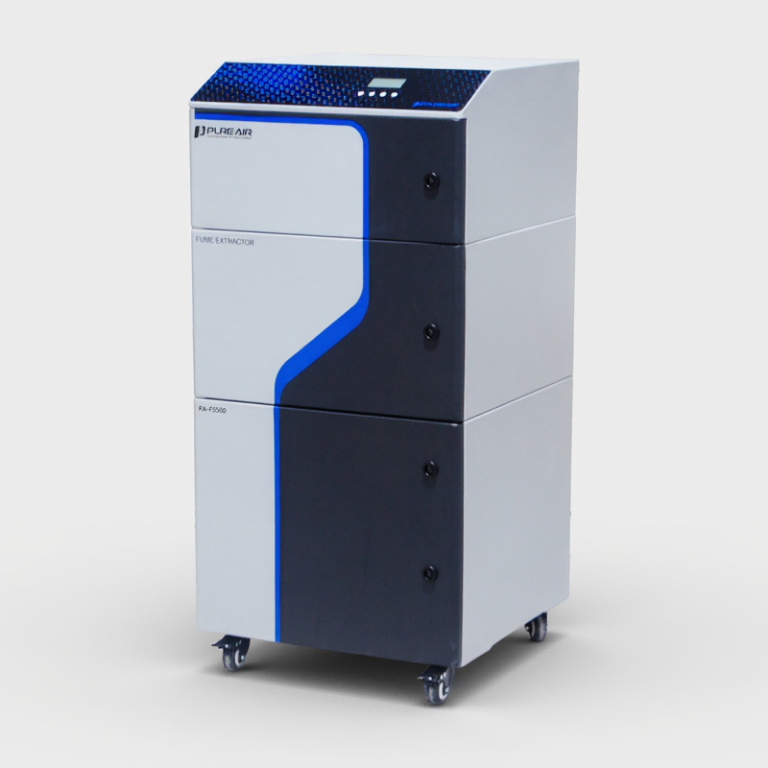
Part 2 — Hidden User Pain Points: Where the CO2 laser fume purifier falls short
CO2 laser fume purifier units promise clean air, but users run into predictable pain points once a few weeks of production roll by. First: filter mismatch. Many shops fit the wrong combination of HEPA filter and activated carbon media for the materials they cut. That mismatch reduces filter efficiency and raises static pressure, which in turn lowers the effective CFM coming through the hood. Second: ductwork and placement errors. A unit might be perfectly rated, but poor hood geometry or long duct runs create pressure drops that the extractor can’t overcome. Look, it’s simpler than you think — these are solvable, but only if you actually inspect the whole airflow path and not just the unit itself.
Why does this keep happening?
One more point: maintenance blind spots. Users often treat filter change intervals as a calendar task, not a performance metric. VOC sensors and particulate counters show problems long before the filters look dirty. I’ve seen shops wait until visible odor or smoke appears; by then filters are saturated and power converters strain, shortening equipment life. Those are hidden pains: increased downtime, unplanned filter spend, and worker complaints that get shrugged off as “that’s just lasers.” They aren’t inevitable — but they require attention to filter efficiency, airflow rate, and periodic static pressure checks (I recommend a simple manometer).
Part 3 — New Technology Principles and practical next steps
Moving forward, the best setups blend smarter sensing with better matching of components. Modern designs for a CO2 laser fume purifier layer real-time VOC sensors and particle counters with variable-speed blowers. That combination lets the system scale suction to load, which saves energy and extends filter life. I’ve tested systems that throttle fan speed during light cuts and ramp up on dense jobs — the result: fewer noise complaints, lower energy bills, and more predictable filter cycles. Small shops can benefit from the same principles; you don’t need industrial control systems, just targeted sensors and a fan controller that responds to them.
What’s Next: practical deployment
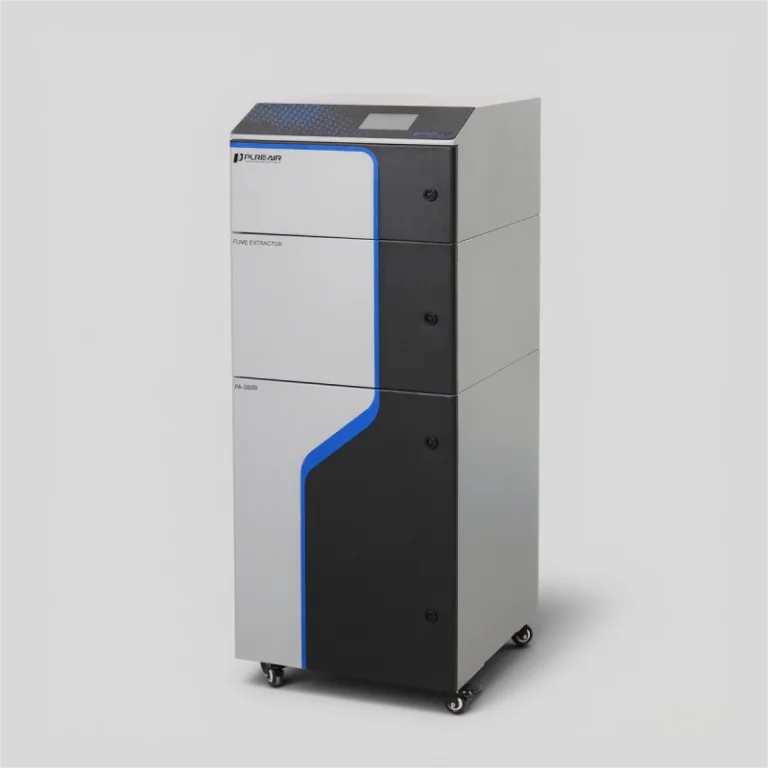
Start by logging baseline numbers — CFM at the hood, static pressure across filters, and VOC spikes during runs. Then pilot a variable-speed blower or retrofit a sensor pack. You’ll learn fast: some materials need more activated carbon, others more HEPA, and some require different hood placement. — funny how that works, right? The aim is simpler: match filtration media and airflow to the actual contaminant profile, not the label on the box. In closing, here are three concrete metrics I use when evaluating solutions: (1) peak CFM at the hood under load, (2) filter efficiency percentage for the target particle size and VOC class, and (3) mean time between unscheduled maintenance events. Use those, and you’ll make better buys and keep the shop humming. For reliable equipment and support, I recommend checking out PURE-AIR.