An Everyday Scene, Some Numbers, And a Hard Question
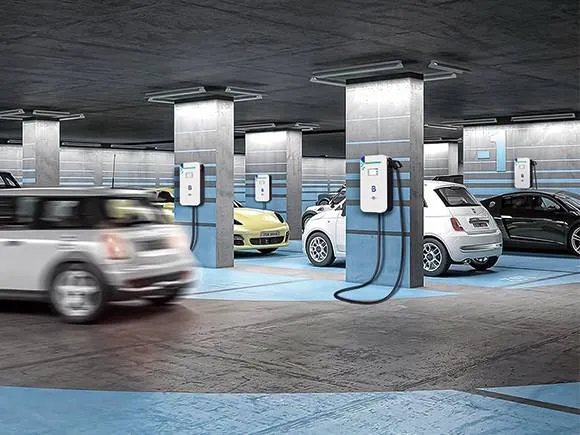
You drive into the car park five minutes late, spot an empty bay, and see the charger flashing red. Not again. Commercial EV charging stations are now common in malls, offices, and depots. Yet many sites still post odd numbers: high footfall, low utilisation, and bills that spike on days you least expect. In several markets, peak hours are short but brutal, and the demand charge can be half the monthly cost. The queue forms, tempers rise, and drivers blame “the tech” (not the plan). Here is the question that matters: is your network built for the way people charge, or for the way vendors ship boxes?

We need to compare what you think you are buying with what the site must deliver, day in and day out. Let us move from the surface to the workings underneath.
Where Traditional Setups Come Up Short
What are we missing?
Most buyers pick by price and socket count. That seems fair. But a station is a system, not a shelf item. This is where commercial EV charger solutions become the smarter lens. Look at the power path, the control stack, and the tariff plan as one loop. Older models rely on fixed tables for load balancing, so they throttle too late. Power converters idle even when bays are empty, and you still trigger demand charges. Events trickle to the platform with gaps, so OCPP alarms arrive after the rush is over. Look, it’s simpler than you think: if the data is stale, the decision is slow, and the cost climbs — funny how that works, right?
Hidden pains follow. Downtime does not just mean a dark screen; it means lost trust, repeated calls, and a long tail of refunds. A site may have fine hardware but poor firmware cadence, so bugs linger. Payment flows can be clunky, which adds seconds per session that turn into queues by noon. Site hosts often size for day one, not year three, and thus lock-in the wrong backbone. The result is a pattern you can feel but not see: mornings overheat, afternoons sag, and the weekend bill looks odd. In short, the legacy approach treats stations as islands when they need to act like a fleet.
Next-Gen Principles, Not Just New Boxes
What’s Next
The better path is to design for coordination. Think of the site as a living grid cell that predicts, then adapts. Modern stacks push logic to light edge computing nodes at the site, so schedules shift with the crowd. Tariffs change, weather shifts, and a match-day surge appears; the scheduler reacts within minutes, not days. Protocols like ISO 15118 make Plug&Charge faster and safer, so fewer taps and errors slow the lane. OpenADR signals let the station play with the utility, shaving peaks without scaring drivers. None of this needs a heroic budget. It needs a plan that links hardware, software, and tariffs into one story for commercial EV charging — and then sticks to it.
There is also a quiet win in modularity. Power stages scale in steps, so you add capacity without ripping the room. Cables stay lighter, bays stay active, and maintenance windows shrink. Compare this with the old “set and forget” model: the new approach lets a smaller site act bigger during peaks, then rest at night. You do not chase brute force; you use timing, prediction, and gentle control. The payoff feels human. Drivers see fewer red lights. Operators see cleaner charts. Finance sees stable months. The tech fades into the background, as it should.

How To Choose Without Regret
First metric: demand-shaping ability. Ask how the system measures and caps demand charges in real time. You want clear controls for thresholds, a plan for events, and logs you can audit. If a vendor cannot simulate your worst hour on your tariff, be cautious.
Second metric: data fidelity and control depth. Check event granularity, latency, and uptime for the control path. Can you change rules on the fly? Can you see station health beyond a green dot? Terms like “fast API” are nice; consistent, low-latency signals are better.
Third metric: lifecycle clarity. Firmware, spares, and upgrade steps should be simple, and priced upfront. Confirm how bays scale, what breaks first, and how long it takes to fix. If the answer is vague, the queue will be long later — and no one forgets a long queue.
In sum, compare not only chargers but also the way the whole site thinks and reacts. When you pick for coordination and clarity, you spend less and serve more. That is the quiet edge in a busy car park. For steady guidance grounded in practice, you can explore perspectives from EVB.