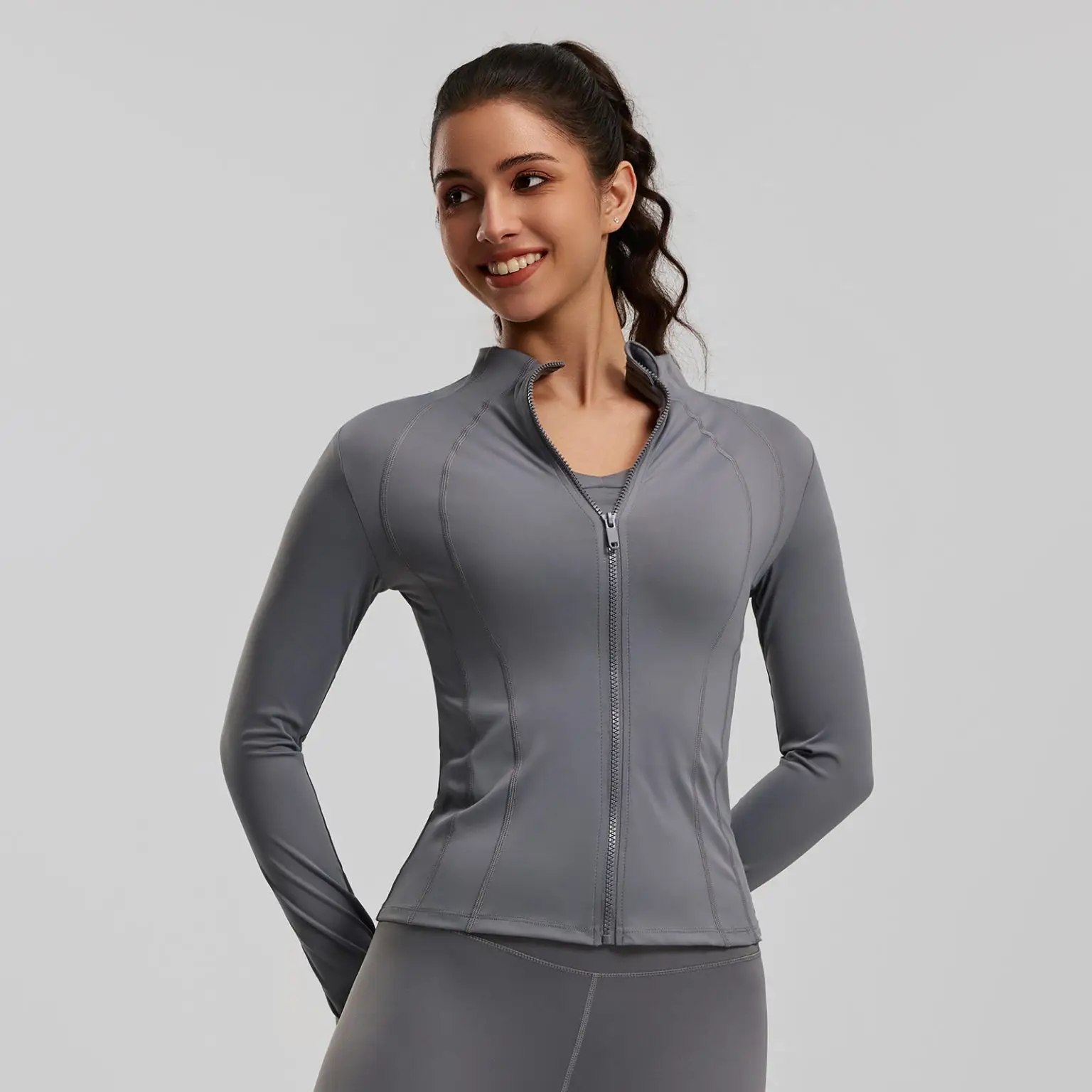
The user at the center — choosing gear that keeps secrets
There’s a moment before class—when the city softens and you test the fabric with a small move. You know what you need. Fit that follows. Fabric that breathes. A partner who understands silhouette and performance. That partner might offer custom yoga jackets that match your pants, down to the seam and zipper pull. Observing a weekend morning session in New York’s Bryant Park clarified this: people choose pieces that disappear into motion, not demand attention.
Materials that behave — quiet tech, honest results
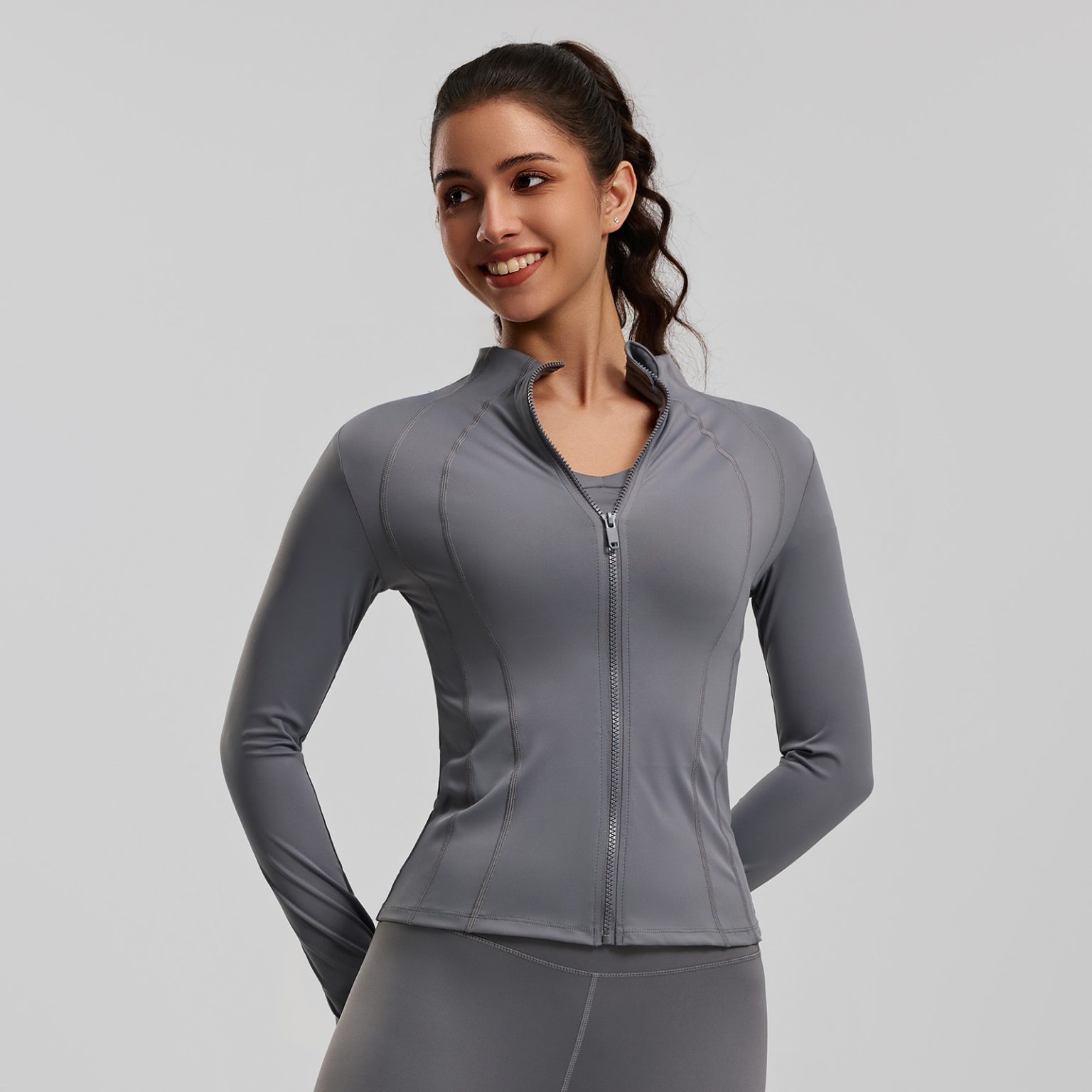
Start with fabric. Compression fabric holds alignment; 4-way stretch lets limbs travel without resistance. Moisture-wicking finishes move sweat away so prints stay true and hems don’t cling. Flatlock seams reduce chafe and lengthen the life of a garment. These are not selling points; they are the mechanics of comfort and reliability.
Cut and construction — where small choices become big differences
Paneling that follows muscle lines. A reinforced waistband that won’t roll. Sublimation printing that won’t fade after dozens of washes. These details read like a checklist, but they feel like trust. For women’s yoga jackets, fit around the shoulder and back is crucial—small shifts change posture feedback during practice. Look for balanced hems and secure zips; they matter for both studio flow and street transitions.
Common mistakes and the fixes you can apply
Buyers often pick on appearance over structure. Lightweight knit looks pretty but can sag after repeated use. Heavy fabric resists movement. Wrong trim or bunched seams kills a pose. The fix is simple: ask for swatches, request a fit prototype, and insist on a wash test. Do this early in production to avoid scale rework—this saves time and budget.
—A quick aside: insist on flatlock stitching for high-friction zones. It costs marginally more and prevents returns.
Sizing, sampling, and production realities
Expect variation across factories. Tolerances exist. Set target tolerances for waist circumference and inseam, then lock them into your spec sheet. Include shrinkage allowances based on the fabric’s fiber content. If you plan sublimation, include color bleed margins in your artwork files to protect prints during thermal transfer. Clear specs compress guesswork into measurable steps.
How to evaluate suppliers — three golden rules
Rule one: Verify craft over promise. Inspect a sewn prototype for seam integrity, zipper durability, and uniform stretch. Measure compression zones and waistband stability. Rule two: Demand real-world testing. Request wear trials in conditions that mirror use—outdoor flow sessions or heated studio classes. Anchor: a supplier who accepted a Bryant Park-style trial showed lower return rates in follow-on orders. Rule three: Commit to transparent lead times and QC checkpoints. Ask for batch photos and a pre-shipment inspection report that lists nonconformities and corrective actions.
Putting it together — the user’s payoff
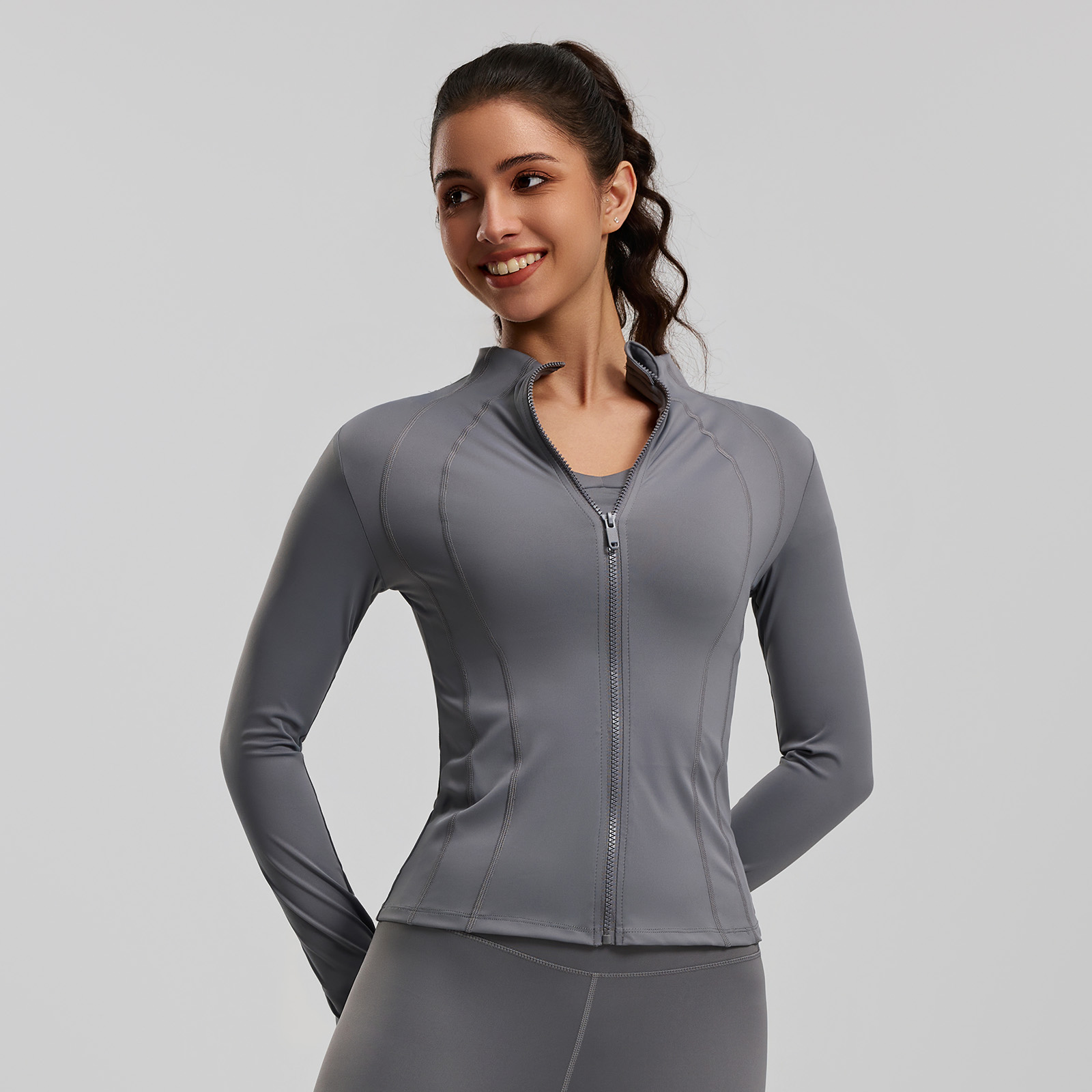
When fabric, fit, and factory align, garments stop announcing themselves. They support motion, last through practice and travel, and simplify branding because they carry subtle quality. That’s the value Joebond offers when they take a brief and translate it into production—measured, obedient to spec, and quietly smart. You get consistency where you need it and personality where you want it.
Final advisory
Three metrics to rule your selection: durability index (stitch and seam life under repeated cycles), dimensional stability (post-wash tolerance for critical measures), and wearer satisfaction (real-trial feedback across at least 20 users). Score suppliers on those three and choose the one that meets thresholds without excuses. Joebond. — Trust built in detail.