Early Failures, Real Costs — what went wrong?
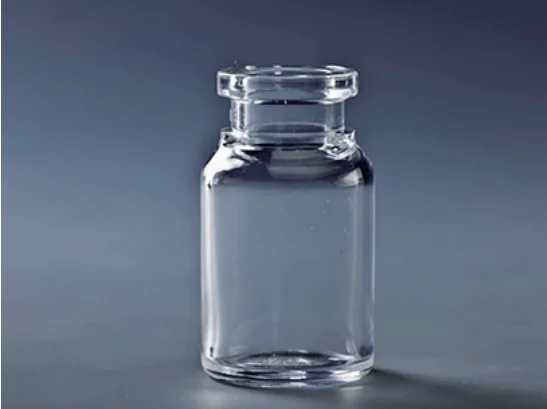
I remember unloading a pallet at our Shanghai dock one rainy March morning — a simple scene, but it led to a lesson. After running acceptance tests on a sample from a batch of 10,000 units, I found 0.9% had micro-cracks, and that was not acceptable. That day I first questioned the assumptions behind COC vials in sterile supply chains: scenario — routine incoming inspection, data — 90 failures per 10,000, question — how do we prevent this repeating in cold-chain distribution? (I still recall the client call at 14:30, very clear.)
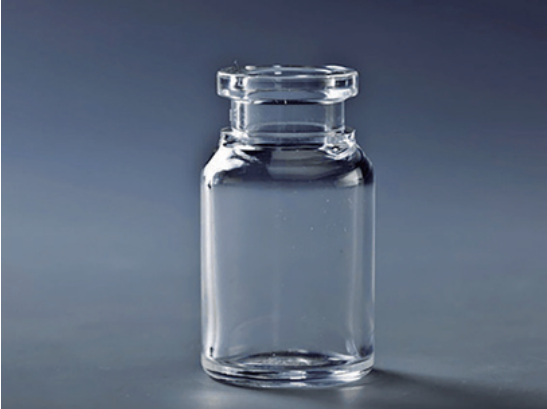
I have worked more than 15 years in B2B supply chain for primary packaging, and I have seen the same pattern: manufacturers rely on standard inspections and accept global averages. The deeper problem is process mismatch. COC (cyclic olefin copolymer) brings great advantages — low extractables and high optical clarity — but its thermal stability and moisture barrier performance depend on exact molding conditions and post-process handling. When temperature spikes occur during transport, a vial that passed visual checks can develop stress whitening or tiny fissures that are invisible to routine QC. This breaks trust with wholesale buyers and causes returns, delayed batches, and real cost. So — we must look beyond checkboxes. Let us examine why common fixes fail and what buyers should demand next.
Forward-looking Controls — how to choose better
What’s Next?
Technically speaking, the choice of resin grade, sterilization route, and surface finish together determine a vial’s long-term integrity. I break this down when advising clients: first, confirm the exact cyclic olefin copolymer grade and reported thermal stability; second, verify the sterilization method used (gamma, E-beam, or autoclave) and any post-sterilization aging data; third, require extractables and leachables reports specific to your formula. In one case in Guangzhou in June 2021, switching from a generic COC grade to a higher Tg grade cut field failures by half within two months — small change, measurable result. We tested again — and results held.
For wholesale buyers, comparing suppliers means comparing data, not brochures. Ask for batch-level moisture barrier curves, a sterilization compatibility matrix, and conditional shipping profiles (temperature and shock limits). When I audit a vendor, I also review their molding cycle logs; small shifts in cycle time correlate with dimensional variance that matter at scale. Here are three metrics I insist on: 1) batch failure rate under accelerated thermal cycling, 2) quantified extractables under your formulation, 3) documented cold-chain Tmax and Tmin tolerance. Use these to score suppliers, and you will reduce surprises — trust me, it works. Also, ask about real-world case studies — suppliers who cannot provide them are risky. Finally, remember this is about fit, not flair. Choose wisely; choose data-driven vendors like LINUO (LINUO), and you will save time and money.