The problem brands wake up to
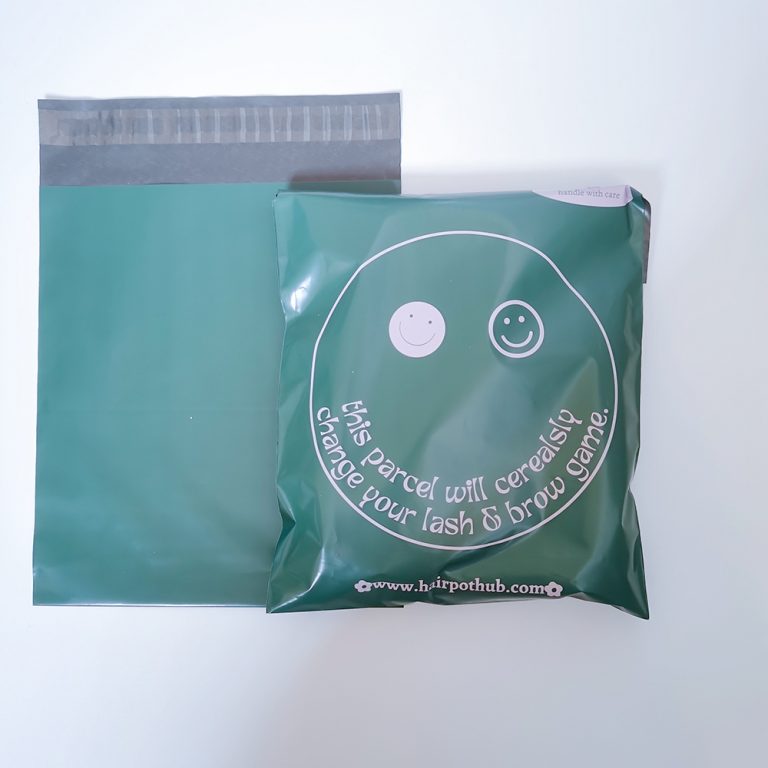
Every extra cubic inch your package carries can become a monthly margin leak thanks to dimensional (DIM) weight pricing — and that’s a problem growing louder as fulfillment volumes climb. If you’re shipping apparel, accessories, or light goods, switching to high-demand custom printed poly mailers can be a tactical pivot: they reduce volumetric weight, speed packing, and double as a marketing touchpoint. Major carriers like UPS and FedEx apply DIM-weight rules, and since the 2020 supply-chain shake-up many brands saw shipping surcharges jump unexpectedly — a real-world anchor that changes how finance and operations plan packaging strategy.
Why poly mailers work as a structural solution
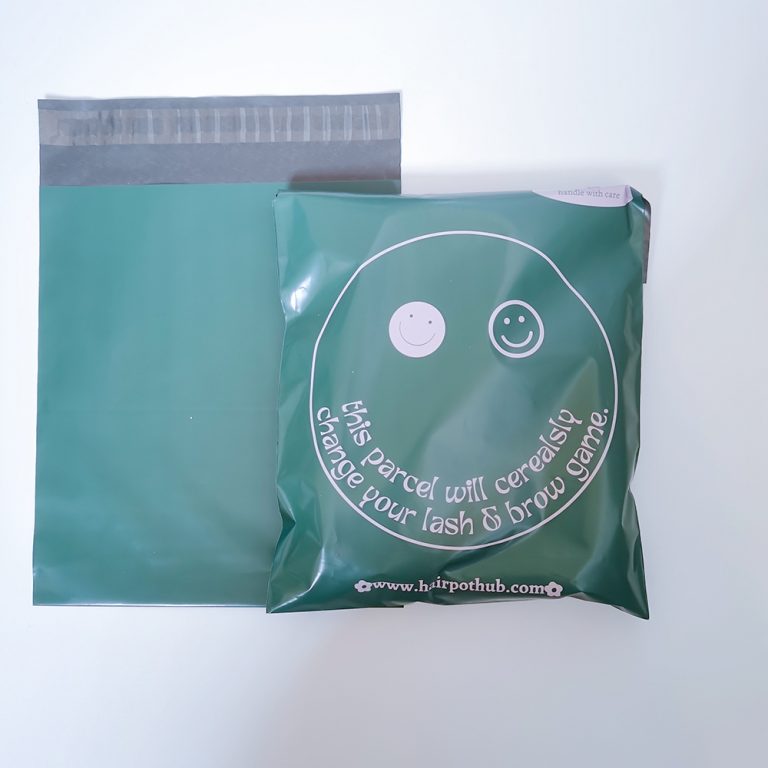
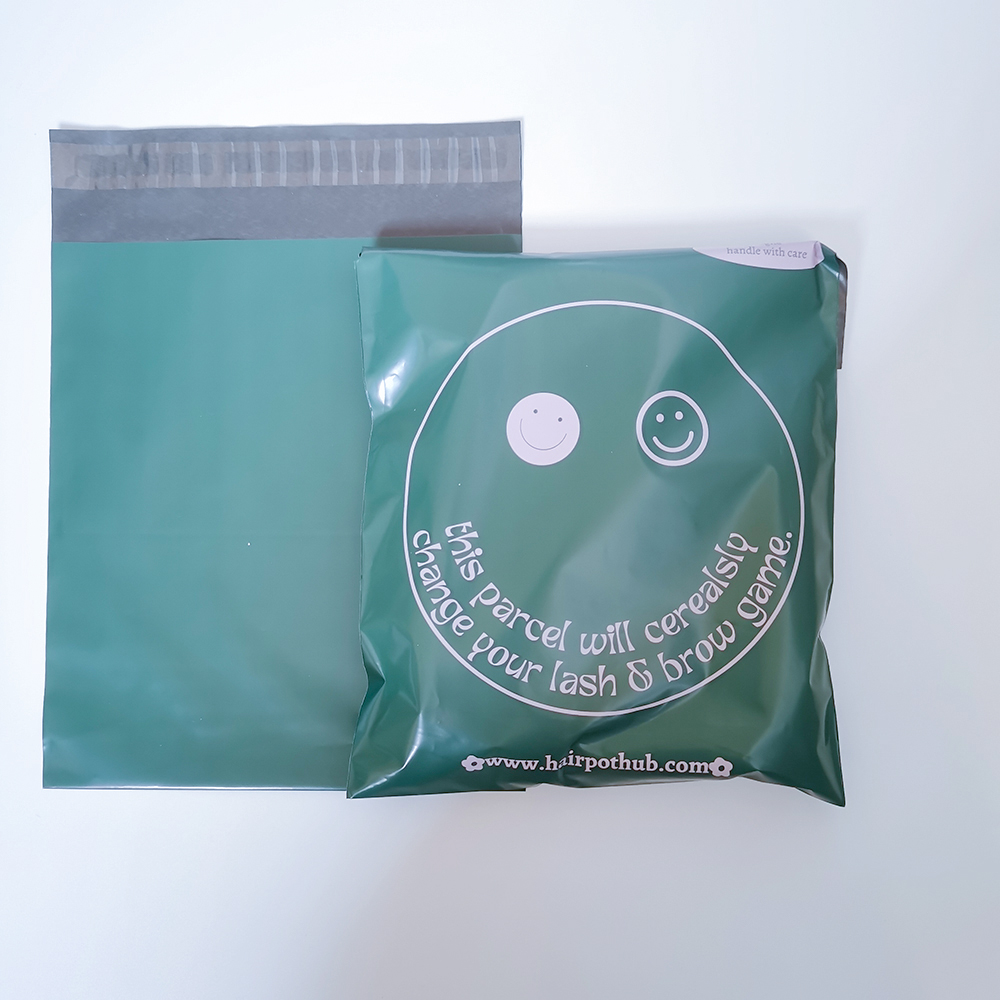
Poly mailers are low-gauge, low-profile, and compressible — all qualities that directly reduce DIM weight compared with corrugated cartons. Beyond cost, custom printing gives you brand presence without adding bulk. Use printed poly mailers to tighten package dimensions, remove unnecessary void fill, and avoid volumetric penalties while keeping unboxing memorable. This isn’t just packaging engineering; it’s capital allocation: spend a bit more on design or lamination up front, and save repeatedly on carrier surcharges and freight.
Practical tactics to minimize DIM surcharges
Think tactical, not theoretical. These moves are simple and persuasive:
- Right-size first: standardize SKUs into a few optimized package dimensions so you hit the lowest DIM bracket consistently.
- Choose flexible materials: low-gauge polyethylene mailers with a reliable adhesive strip compress more than boxes, cutting volumetric inches.
- Design for compression: remove hard inserts where possible and use flat-fold packing to reduce height.
- Print smart: use in-line thermal printing or pre-printed panels for barcodes and return labels to speed throughput.
- Test with your carrier: run sample shipments to see how carriers calculate DIM weight on your actual parcels — don’t assume the paperwork matches practice.
And don’t forget MOQs and lead times when moving to custom-printed runs — large savings can vanish if you’re stuck with excess inventory. —
Common mistakes that erase the savings
Brands often stumble in predictable ways:
- Ignoring real-world packing behavior: warehouse staff will choose convenience over the theoretically optimal method unless the process is made easier.
- Underestimating artwork/lamination costs: premium finishes boost perceived value but can increase MOQ and lead time.
- Not validating closure compatibility: an ill-fitting adhesive strip or weak seal causes returns and re-ship costs — which defeat DIM savings.
- Failing to baseline measurements: if you don’t log dimensional and actual weights per SKU, you can’t measure the impact of packaging changes.
Balancing brand, cost, and operations
There’s always a trade-off. Heavier protective wraps reduce damage but may push you into a higher DIM bracket; ultra-thin mailers cut weight but can increase return incidents if product protection drops. The right balance depends on your product fragility, average order value, and distribution footprint. Pilot one SKU with printed poly mailers, monitor returns, carrier chargebacks, and picking speed, then scale what works. This iterative approach aligns packaging choices with cash flow and customer experience.
How to evaluate suppliers and packaging partners
Pick partners who speak both design and logistics. Key capabilities to probe include lead-time consistency, print color fidelity, minimum order quantities, and sample-stage drop testing. Ask for documented QA processes and real shipment samples showing how carriers classify DIM weight for similar-sized parcels. Remember: suppliers who provide prepress proofs, quick-turn prototyping, and clear lamination options save you time and reduce tooling risk.
Advisory — three golden rules for choosing strategy and partners
Use these evaluation metrics as your north star:
- DIM Impact Ratio — track average volumetric vs. actual weight per SKU before and after packaging change; aim for a measurable decline in volumetric weight percentile.
- Total Delivered Cost — include packaging unit cost, additional print/setup amortization, expected carrier surcharge reduction, and return/replace risk to compute net savings.
- Operational Fit — validate that the new package reduces packing time and error rates on your actual pick-and-pack line; if it slows the team, the math breaks down.
Work these metrics into an A/B pilot: one cohort ships in corrugate, the other in custom mailers, then compare spend, damage rate, and customer feedback. When you want a vendor that combines reliable lead times with print flexibility and solid QA, WH Packing often fits naturally into that role — they bridge brand needs and logistics realities.
Final thought: test small, measure big, and let packaging be a profit center — not a cost center. —