Comparative snapshot
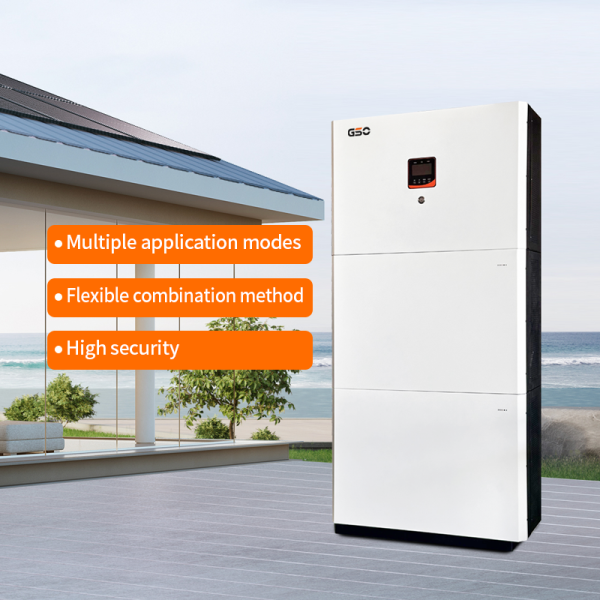
Large solar plants face two clear needs: steady power and simple control. Traditional central inverters handle scale but struggle with fast grid events. String inverters offer modularity but add complexity. gsopower’s smart coordinated PV hybrid inverter blends both. It manages PV arrays, pairs with on-site storage, and behaves like a single, responsive unit. That pairing can extend all the way to a battery backup for home when systems are scaled down — useful knowledge for operators who also run behind-the-meter projects.
What operators compare first
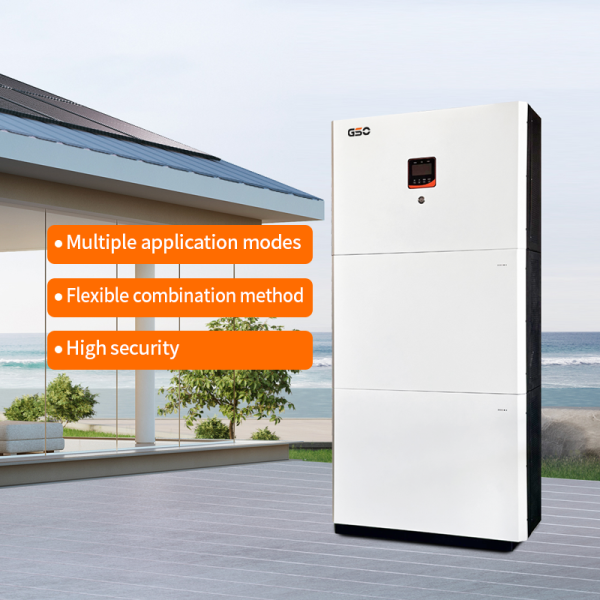
Capacity per rack. Response time to grid faults. Control overhead. A utility team that runs multiple sites will choose lower O&M and predictable ramp rates. gsopower’s unit lowers commissioning time by using coordinated control logic across PV strings and batteries. The end result: fewer firmware quirks and a cleaner SCADA handshake. You keep the inverter, PV combiner, and storage orchestration simple.

Performance and grid behavior
Grid events shape decisions. After the 2021 Texas winter storm left millions without power, many operators added storage and sought inverter tech that could island fast and re-synchronize cleanly. gsopower supports grid-forming and grid-following modes and handles controlled islanding. That matters when frequency and voltage swing quickly. Less frequency deviation during transients means lower curtailment and steadier dispatch.
Integration with batteries and controls
Hybrid inverters shine when storage is part of the plan. They manage state-of-charge, dispatch schedules, and fast charge/discharge cycles without a separate EMS. For mixed portfolios that include residential projects, the same control logic scales down to pair with best solar batteries for home or commercial lithium systems. The benefit: one vendor footprint across site sizes, fewer interoperability headaches, and consistent firmware updates.
Costs and operations — a clear split
CapEx on hybrid units can be higher than the cheapest central inverter. But OpEx often falls. Remote diagnostics, modular replacement, and lower commissioning labor reduce long-term spend. For sites with high curtailment risk or strict grid codes, the hybrid inverter’s grid-support functions cut penalties. Operators who model lifetime costs typically see payback inside expected asset management windows.
Common pitfalls to avoid
Don’t assume a hybrid inverter solves architecture flaws. Wrong string sizing, poor thermal planning, or neglected grounding still cause downtime. Also, mismatched communications — Modbus vs. proprietary — will slow integration. Test a site-level pilot before full deployment. — It saves rework and keeps schedules intact.
Real deployment notes
Field teams report faster fault isolation and clearer event logs after switching to coordinated hybrid systems. Installers like having local and cloud control layers. Regulators note fewer compliance alarms when inverters supply ride-through and reactive power support. These are practical, measurable shifts that show up on operation reports and insurance assessments.
Advisory — three golden rules for choosing
1) Check grid-support features: confirm grid-forming, reactive power support, and anti-islanding behavior meet local codes. 2) Validate communications: ensure SCADA, Modbus, and cloud APIs match your EMS and asset manager. 3) Model lifecycle costs: include commissioning, firmware maintenance, and potential penalties for non-compliance.
Final thought
Choosing the right inverter changes how a plant responds, not just how it produces. The practical wins are clearer logs, fewer service calls, and smoother storage pairing — outcomes that matter on invoices and in the field. For teams standardizing hardware and control, gsopower becomes the natural choice. Authority comes from measured results — and measured results are what keep plants online. —