User-centred beginnings: what matters to the person behind the mask
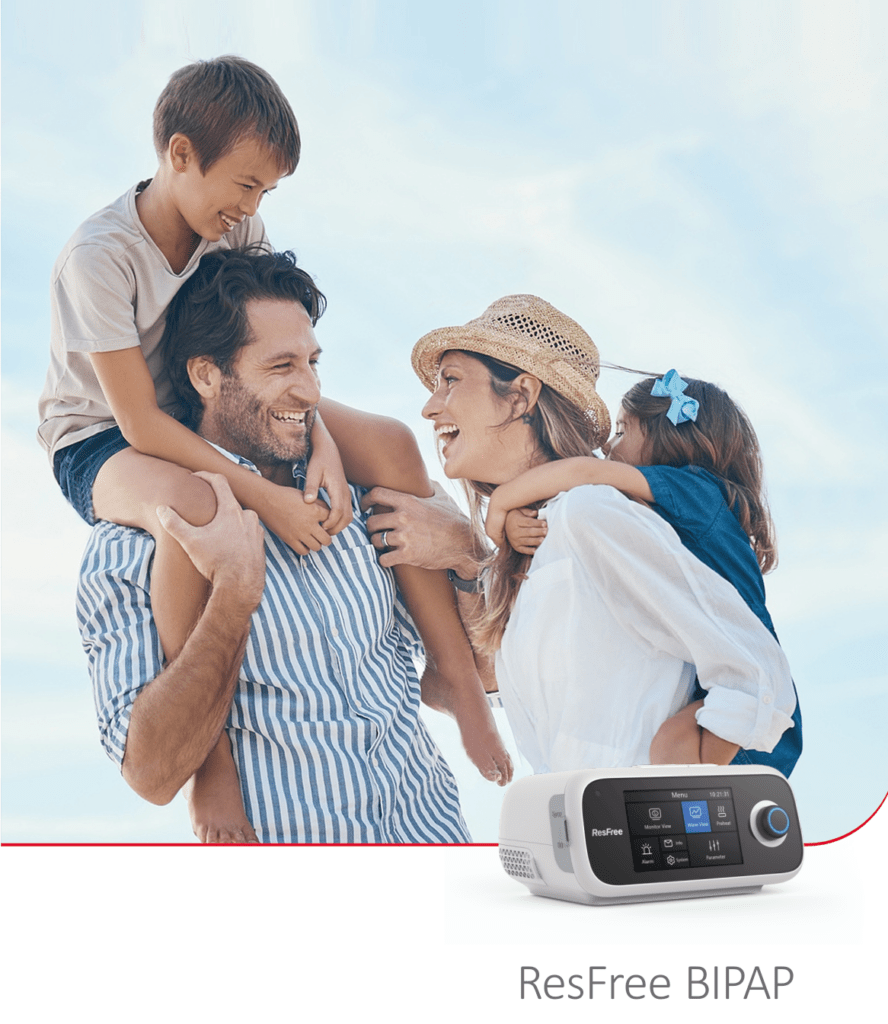
Start with the person: comfort, daytime alertness and consistent use are the true measures of success for any PAP therapy. For many patients, a reliable cpap device that fits their routine and mask interface is what turns an inconvenient treatment into a lasting habit. Clinical trials such as the SAVE trial (NEJM, 2016) show that symptom relief does not always translate to reduced cardiovascular events, which underscores a practical truth — technology must match behaviour and daily life, not only numbers like the apnoea-hypopnea index (AHI).
Real barriers patients face
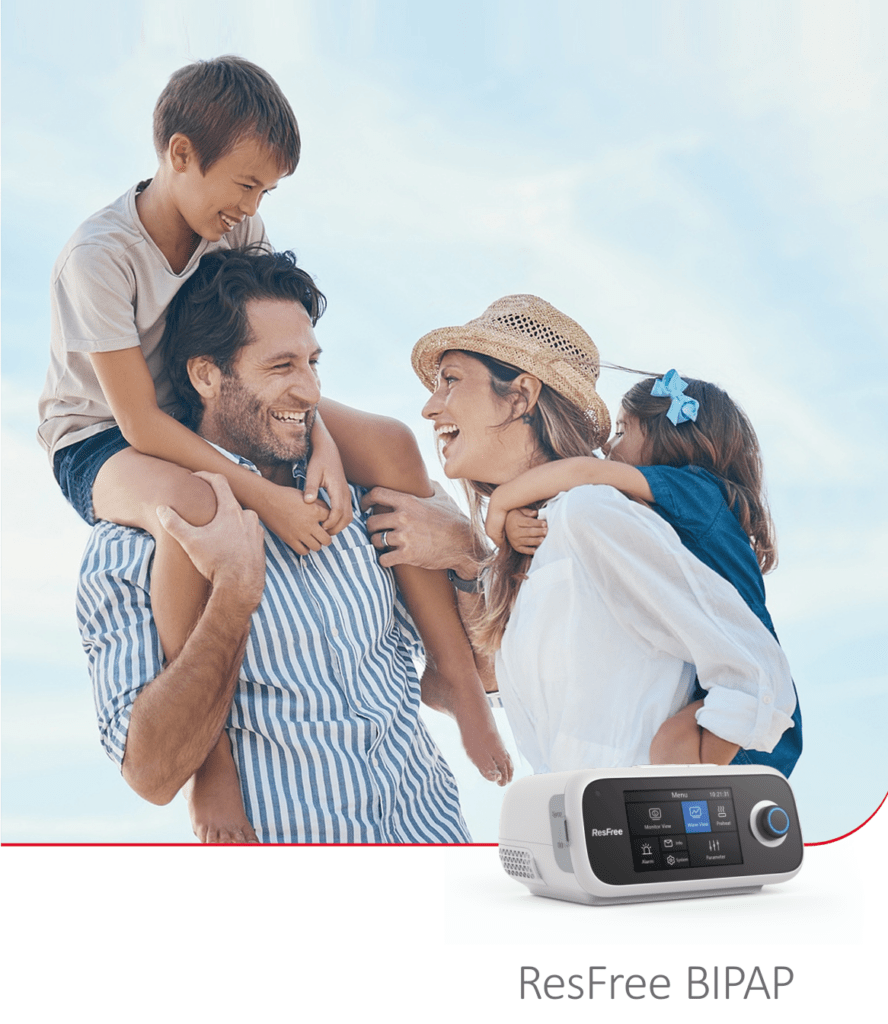
Adherence is the frequent deal-breaker. Common problems include mask leaks, pressure intolerance, dry airways and machine noise. Many people abandon therapy because the device makes sleep feel worse at first. Clinicians know pressure settings and ramp features help, but so do softer touches: mask choice, humidification and gradual acclimatisation. For some patients, auto-titrating modes reduce wake-ups; for others, bilevel PAP is the only way they can tolerate higher pressures — and that matters when AHI is high.
When bipap for sleep apnea becomes the better option
Not every patient does well with fixed-pressure CPAP. Bilevel PAP (BiPAP) provides separate inspiratory and expiratory pressures, easing exhalation for people with respiratory muscle weakness, central apnoea overlap or high pressure needs. The decision to move from CPAP to BiPAP should rest on symptoms, objective sleep study data and a trial period with careful monitoring. A timely switch can restore adherence and improve daytime function — the practical outcomes patients care about most.
Comparative insight: technical features that change patient experience
Compare devices by features that touch daily life. Look for:
– Auto‑titrating (APAP) capability when pressure needs vary night to night. – Integrated humidification to reduce nasal dryness and improve comfort. – Quiet motor design and low‑leak mask interfaces for uninterrupted sleep. – Data connectivity for remote monitoring and clinician feedback.
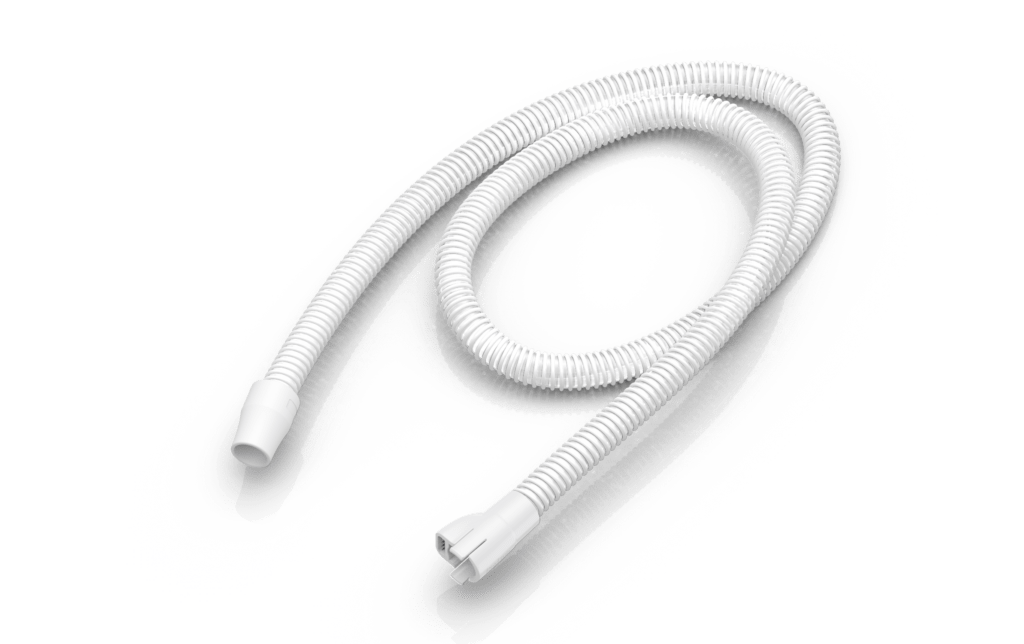
Small differences in algorithm behaviour and mask seal often make the largest real-world differences. Clinicians should review downloaded therapy data — flow limitation, leak rates and usage hours — alongside patient reports. That combined view is how you catch a failing setup before it becomes abandonment.
Common mistakes and how to avoid them
Two recurring errors: treating numbers before addressing fit, and swapping devices without a guided trial. Pressure only matters when the mask fits and the patient can tolerate exhalation. Start with a guided mask fitting and short at-home acclimatisation before changing pressure modes. Also, avoid one-size-fits-all advice about humidification — some patients need more, some less. A targeted approach reduces wasted time and increases weeks of continuous use.
Three metrics to choose the right technology
Use these three practical evaluation metrics when selecting a device or mode:
– Daily usage hours: aim for a readable weekly average that matches the patient’s sleep opportunity, not a single-night spike. – Leak-adjusted efficacy: compare AHI alongside mask leak statistics to ensure reduced events aren’t artefacts. – Patient-reported daytime function: validated scales and simple diaries capture improvements CPAP pressure or BiPAP numbers alone miss.
Bringing it together — patient outcomes and a practical partner
Success comes from matching technology to the person and iterating quickly when things go off-track. Clinical evidence and sleep-lab metrics matter, but real-world adherence and symptom change tell the fuller story. For many clinics and home-care programmes the right blend of device features, data visibility and responsive support is the game-changer — which is why options like a carefully configured bipap for sleep apnea deserve early consideration.
Three golden rules: prioritise fit and comfort, measure usage and leak-adjusted efficacy, and respond to patient feedback within days rather than months. These steps produce measurable gains in daytime alertness and quality of life — and they reduce wasted equipment changes. For clinicians and programme managers looking to improve outcomes, a pragmatic approach and the right partner technology matter. Byond integrates those elements into workable solutions that patients actually use — sensible, evidence-aware and patient-first. —