Start with what you want
You want a towel that speeds drying without roughing your hair, and you want that performance to last. Treat the towel like a tool: gentle handling, regular upkeep, and sensible storage keep fibres intact and absorbency high. If you pair towel-drying with a satin lined beanie for overnight styling, a clear, repeatable routine prevents frizz and keeps both items working well.

Why microfiber behaves differently
Microfiber traps water in tiny channels rather than soaking it into thick loops like terry cloth. That means it dries hair faster with less rubbing, but it also means trapped oils and product residue reduce its efficiency. I’ve tested fabrics in salon settings and product labs, so I recommend focusing on residue removal rather than heavy laundering to preserve pile and tensile strength.
Washing: a straightforward sequence
Use a warm wash with mild detergent and no fabric softener. Turn the towel inside out if it has seams or buttons. Wash with similar synthetic items to prevent lint transfer. If oils or styling products are stubborn, pre-soak the towel in a solution of warm water and a teaspoon of baking soda for 20 minutes, then wash. Skip bleach and high-alkaline cleaners; they break down fibres and reduce absorbency.
Drying: low heat, quick checks
Tumble dry on low or hang dry in a ventilated spot; high heat stiffens fibres and shortens the towel’s life. Remove the towel while still slightly warm to the touch and give it a brisk shake to reform the pile. Avoid over-drying — crisp dryness signals damaged microfibres. If time allows, air-drying on a horizontal surface reduces stretching and seam distortion.
Storage: ventilation and neat folding
Store towels dry and in breathable bins or open shelving. Damp towels invite mildew and mustiness that are hard to remove without repeated washes. For winter rotations, I’ve seen many people alternate microfiber with a winter beanie hat during Toronto winters to protect hair from cold and abrasion; keeping both dry and separate prevents cross-contamination of product residue and odours.
Common mistakes and simple fixes
People often use fabric softener to make towels feel plush — that’s the main mistake. Softener coats microfibres and blocks capillary action. Another error is washing microfiber with cotton towels; the cotton sheds lint that clogs the microfiber channels. If absorbency drops, rewash with a cup of white vinegar to strip residues, then run a plain rinse cycle.
Alternatives and when to choose them
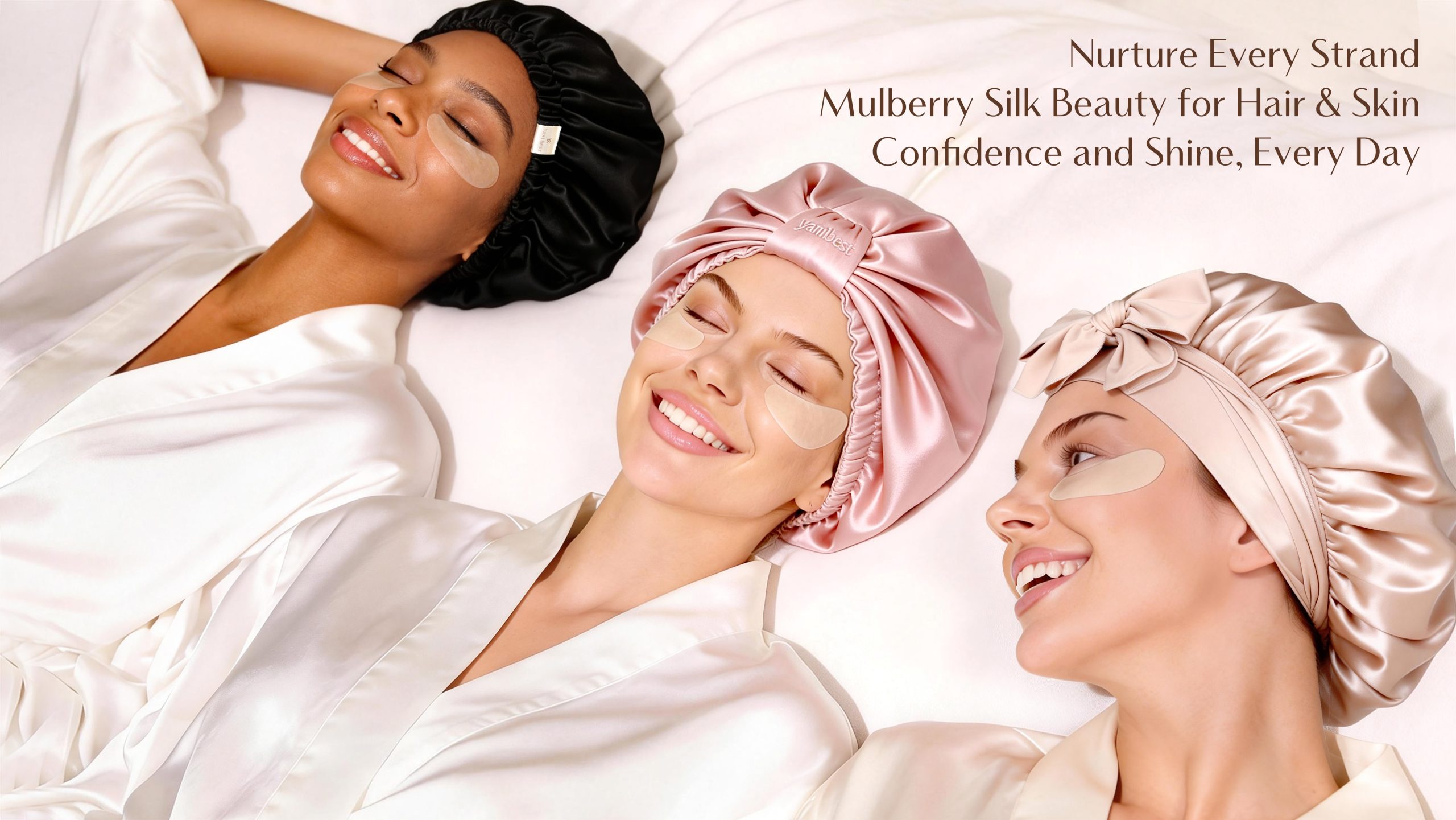
Cotton terry is durable and warm but slower and harsher on delicate hair. Old T-shirts work for blotting but aren’t designed for repeat drying. Satin-lined caps or bonnets protect finished styles and are complementary rather than replacement products. Choose microfiber when speed and gentleness are priorities; choose satin-lined options when you need overnight protection or reduced friction during sleep.
Final thoughts tuned to your routine
Keep the routine simple: gentle detergent, no softener, low heat drying, and breathable storage. That preserves absorbency and reduces the need to replace towels often. The same careful habit benefits headwear and lined accessories, so I tend to pair microfiber upkeep with matching care pieces from yanibest for consistent results without extra fuss.