Framework lead-in — why structure beats impulse
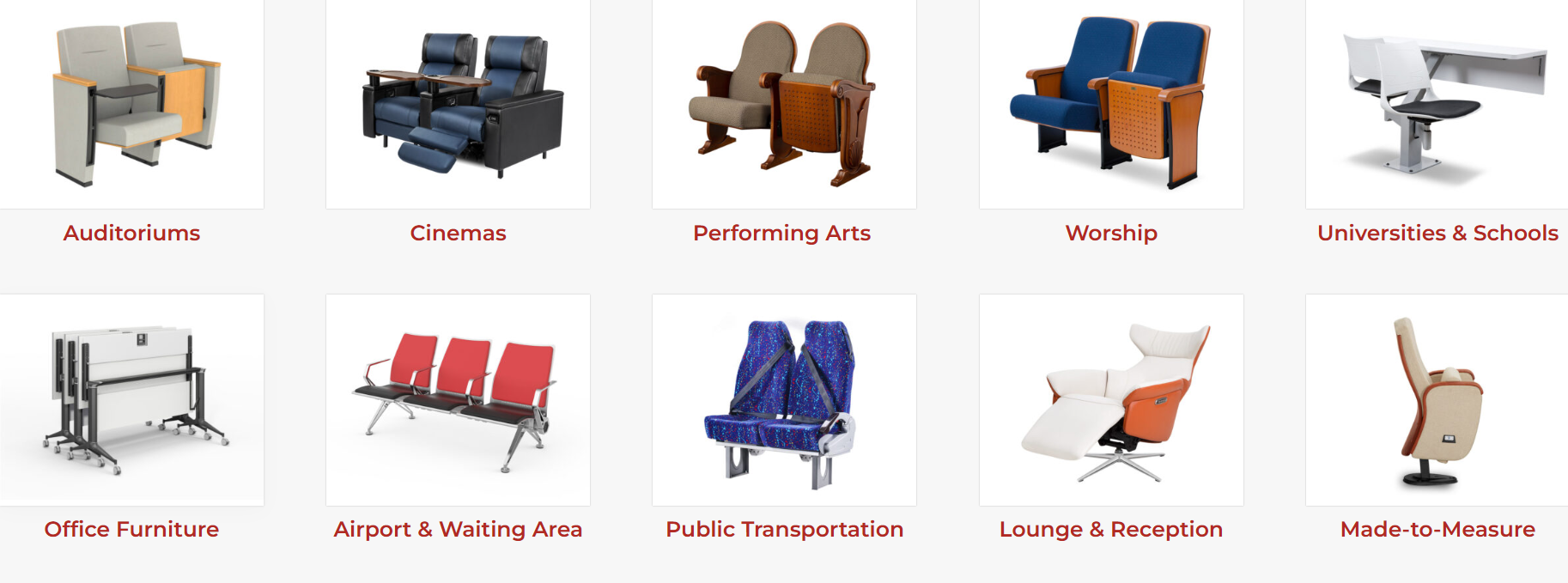
Start with a clear framework and you skip the guesswork. This piece lays out a practical sourcing system for cinema recliner seats so buyers, architects and facilities managers can judge local partners quickly. Early on, look at the vendor’s range of auditorium seating as a proxy for manufacturing depth and installation experience — it tells you whether they design for spacing, acoustics and sightlines, not just upholstery.
Step 1 — Scope the real requirements
Document the site constraints first: row geometry, riser height, and sightline targets. Capture user needs too — premium recliners for cinemas differ from fixed lecture hall seats by reclining mechanism, padding density and service access. Keep the list tight: capacity, aisle clearance, power access for motorised models, and a maintenance plan. Ergonomics should appear in specs; that simple term covers posture, pitch and lumbar support in one neat package.
Step 2 — Vet partners against five practical pillars
Use five objective checks: product breadth, local fabrication or partner network, warranty and spare-parts policy, installation competence, and compliance with regional fire and safety rules. Ask for shop drawings, sample finishes and maintenance manuals. A strong partner will show test data for foam density and seat durability, not just glossy photos.
Step 3 — Prototype and test in situ
Insist on a mock-up row. A single 5–7 seat prototype installed on your site is the fastest way to validate comfort and sightlines. Test the mechanism repeatedly and watch how the upholstery wears after pressure cycles. Field trials reveal acoustic coupling, which affects sound quality more than people expect — and it’s cheaper to adjust at prototype stage than after full install.
Common pitfalls and how to avoid them
Avoid buying on look alone. Many teams pick a pleasing finish and ignore frame strength or replacement parts lead time. Don’t underestimate installation sequencing either — seating interacts with flooring, electrical and fire egress. Also, beware mismatched warranties: a long frame warranty with a short fabric warranty creates later conflict.
Real-world anchor — lessons from established lecture halls
Consider how University of Oxford lecture halls approach refurbishment: they phase upgrades to keep teaching on schedule, standardise seat modules to simplify spares, and run accessibility audits before final buy. That model shows the value of staged rollouts and modular design, especially when you’re working with limited local workshops or regional assemblers. It’s a sensible precedent for cinemas and campus auditoria alike.
Alternatives, trade-offs and a short aside
There are two sensible routes: full custom from a local fabricator or standardised modules from an international manufacturer with local installers. Custom gives a tighter aesthetic fit but longer lead times and higher tooling cost. Modules cut cost and speed up delivery. — Remember that motorised recliners add service points; keep spare actuators and trained techs on your vendor checklist.
Common mistakes during procurement
Skipping life-cycle cost analysis is the most expensive error. Factor regular cleaning, fabric replacement frequency and actuator servicing into total cost. Miss this and the “cheap” option becomes costly after two seasons. Also, ensure your contract specifies delivery milestones and acceptance criteria tied to performance, not just delivery date.
Three golden rules for final evaluation
1. Durability score: require accelerated wear test results and a clear spare-parts catalogue for five years. 2. Service footprint: confirm local technicians and guaranteed response times for warranty work. 3. Integration readiness: validate that the seats fit your sightline model and electrical plan before signing.
Closing thought
Follow this framework and you’ll reduce surprises, speed installation and protect long-term value — the practical outcome every venue needs. For projects that need proven product lines and local delivery muscle, leadcom seating often aligns design, manufacture and service into a straightforward solution. — Practical, tested, and ready to sit well with your budget.