Introduction — a shop-floor slice of truth
One slow morning on the line, a rookie swapped a worn insert and the whole batch stopped tripping alarms — true story. I’m telling you this ’cause when you talk shop, you gotta mention the gear: CNC turret lathe sits right at the heart of that change. We been watching cycle times, scrap rates, and setup hours (you feel me?) — the numbers tell a tale: small shifts in setup can cut scrap by double digits. So what actually moves the needle — is it the tool, the program, or the person at the console? Let’s walk through that next part and see where the fixes really matter.
Why the usual fixes fall short: hidden flaws in traditional approaches
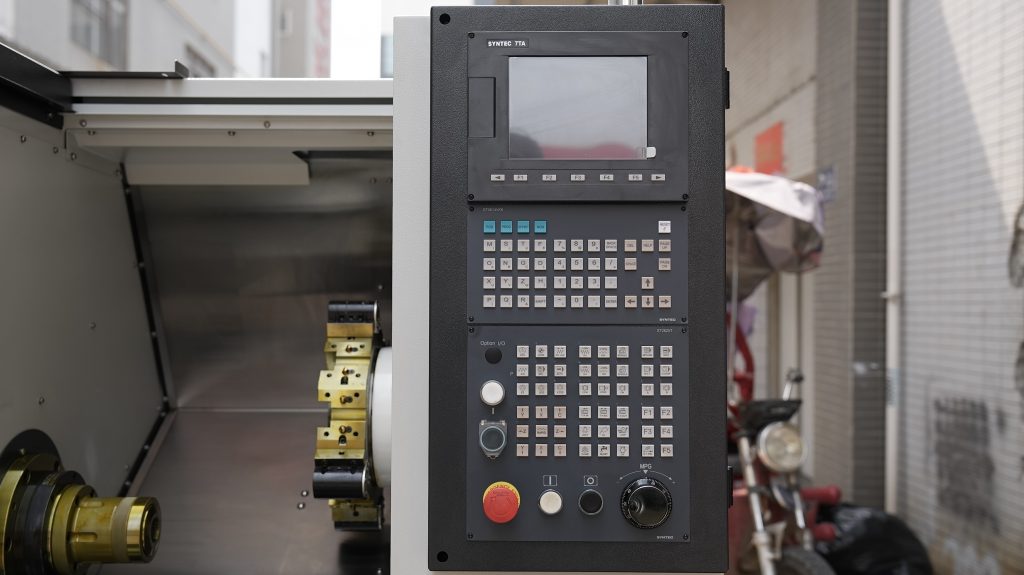
I want to be straight with you: the common quick-fix playbook misses stuff. Early on I looked at a cnc turret lathe machine install where techs blamed the CAM output and swapped cutters all day. They changed bits, tweaked RPM, and still had chatter. The deeper issue? Poor turret indexing, vague tool offset routines, and inconsistent spindle speed control. Those are the details that hide in plain sight. Look, it’s simpler than you think — if you check the tool offsets and confirm turret repeatability, a lotta mornings get easier. I’ve seen setups where correcting a 0.02 mm offset cut rework by half.
What usually goes unseen?
We often skip verification steps. Folks run a program and assume the turret locks each time. But repeated micro-misalignment — caused by lazy maintenance or bad fixture design — amps up wear and makes parts drift out of tolerance. Add inconsistent feed rate tables or tool holders that don’t seat fully, and you have a recipe for rough surfaces and higher scrap. In short: the “replace-the-cutter” reflex ignores root causes like turret indexing tolerances, poor clamping, and uncontrolled spindle vibration. I feel for teams under pressure — but we gotta fix the base, not just the tip.
Looking ahead: future outlook and practical choices
When I think about the next steps, I picture shops that stop firefighting and start designing for stability. New controllers and smarter servo tuning help, but real gains come from aligning process, fixturing, and tooling standards. Take a modern multi turret cnc lathe setup: with live tooling and synchronized turrets, you can cut cycle time and reduce setups — but only if your team enforces consistent tool offsets, uses calibrated holders, and monitors spindle health. We’ve tested systems where adding simple vibration monitoring cut downtime by a quarter — not magic, just data guiding action.
What’s Next — actionable metrics to watch
If you’re choosing a path forward, here are three things I always check: 1) turret repeatability under load, 2) spindle runout and vibration profile, and 3) true-to-program feed rate accuracy. Use those to judge machines, fixtures, and tool chains. — funny how that works, right? Measure them, and the rest falls into place. I won’t pretend it’s easy; changes take habit, training, and sometimes fresh hardware. But the payoff is real: fewer rejects, steadier takt, and happier operators who don’t have to chase problems all week.
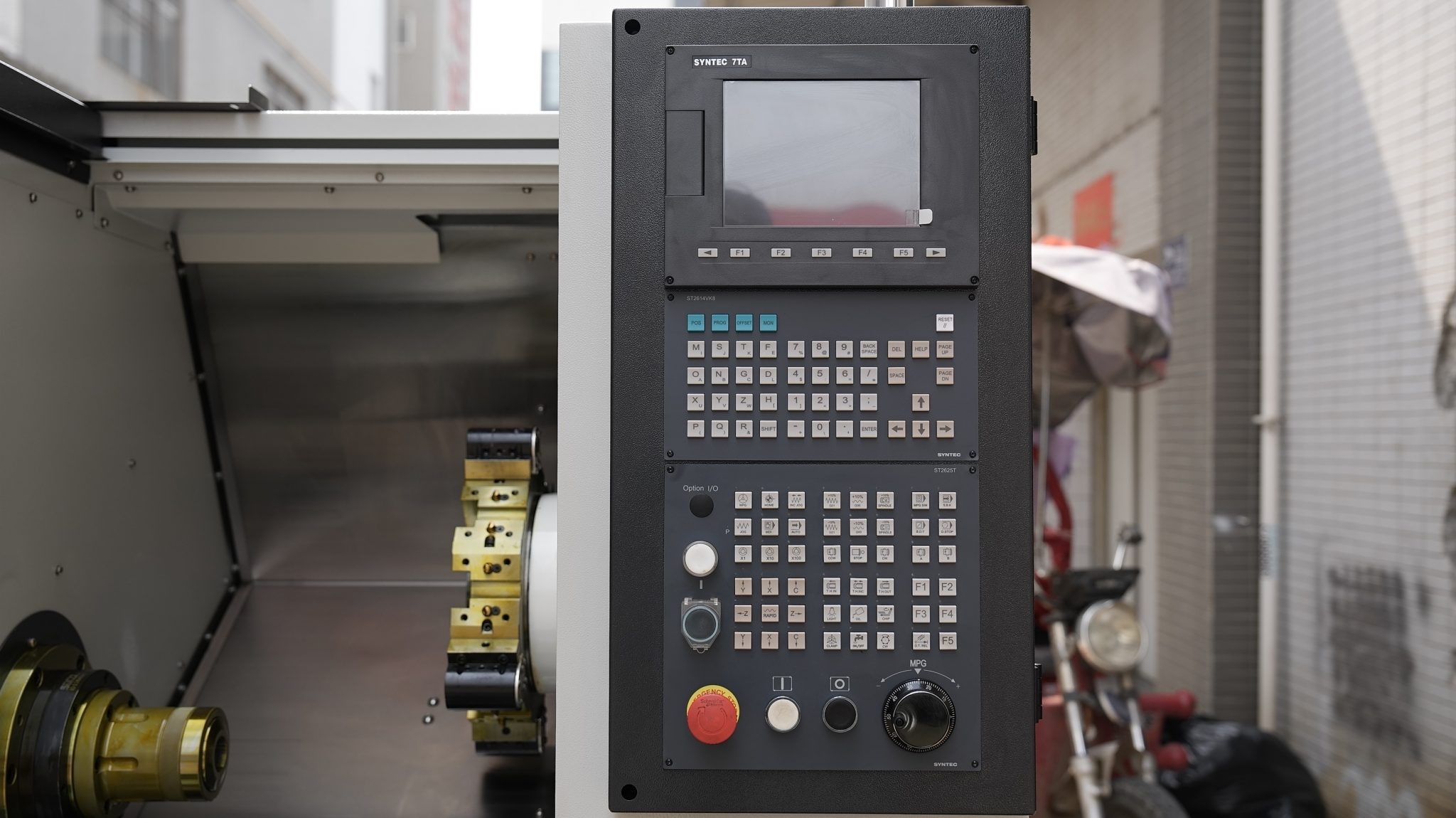
To wrap up: small adjustments matter when they target real root causes — not just symptoms. I’ve seen simple verification steps and better fixturing beat expensive retrofits more times than I can count. If you wanna pick the right system, keep those three metrics in your clipboard and ask about maintenance history, too. For practical machine options and support, check out Leichman. We’re done here — but I’ll be back on the floor, measuring, tweaking, and learning with you.